



 Close Menu
 World
World
 Biography
 Health
 Education
 Business
 Lifestyle
 Sports
 Technology
 Animals
 History
 Food
Food
 Religious
 Startups
 Movies
 Politics
 Fashion
 Covid
Covid
 Diet
Diet
 Fitness
 Marketing
 Travel
 Science
 Reviews
 Social media
 Stories
 Facts
Facts
 Art
Art
 Entertainment
Century Pest Controls

Biography
How San Antonio’s Climate Influences Household Pest Activity: 7 Early Warning Signs to Watch For
 Century Pest Controls
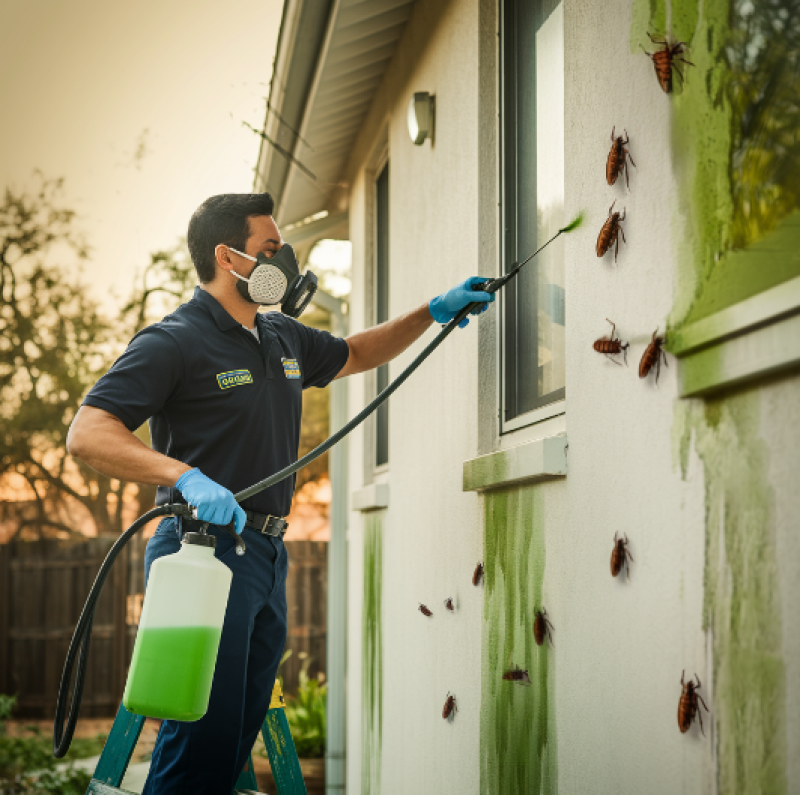
San Antonio’s warm climate creates a comfortable environment not only for people but also for a wide range of insects and other household pests. Warm temperatures, seasonal rainfall, humidity, and mild winters can allow many pests to remain active for much of the year. As a result, homeowners may encounter ants, cockroaches, termites, mosquitoes, spiders, rodents, and other unwanted visitors around their properties.
Understanding how weather conditions influence pest behavior can help homeowners identify problems early. Rather than waiting until an infestation becomes obvious, recognizing the warning signs can make prevention and treatment easier.
Here are seven important warning signs that may indicate increasing pest activity around your San Antonio home.
How San Antonio’s Climate Affects Pest Activity
San Antonio experiences hot summers, relatively mild winters, and periods of rainfall throughout the year. These conditions can influence when and where pests search for food, water, and shelter.
During warmer months, many insects become more active and reproduce more quickly. Rain can also affect pest behavior. While heavy rainfall may temporarily disrupt some insects, moisture can create favorable conditions for others by increasing available water and encouraging plant growth.
During periods of extreme heat or changing weather, pests may also move indoors in search of cooler temperatures, food, or moisture. This is why pest activity may sometimes become noticeable inside homes even when the problem originally started outdoors.
Regular inspection and preventive maintenance can help reduce opportunities for pests to enter and establish themselves.
- Increased Ant Activity Around Your Home
Seeing an occasional ant does not necessarily mean your home has a major infestation. However, a sudden increase in ants can be an early indication that a colony is nearby.
Ants may enter homes when they are searching for food or water. Small gaps around doors, windows, foundations, and utility openings can provide easy entry points.
Pay attention to:
- Lines of ants traveling along walls or countertops
- Ants appearing around sinks or plumbing fixtures
- Increased activity near pet food
- Small piles of soil near cracks or entry points
- Ant activity around patios, gardens, or foundations
Keeping food in sealed containers, cleaning spills quickly, and repairing moisture problems can help reduce attraction. If ants continue appearing despite these measures, professional inspection may help identify where they are coming from.
- Cockroaches Appearing at Night
Cockroaches are particularly concerning because they are often active when the home is quiet and dark. Seeing one cockroach does not always reveal the full extent of the problem, as these pests can remain hidden in cracks, cabinets, wall voids, and other protected areas.
Signs to watch for include:
- Cockroaches appearing regularly at night
- Small dark droppings inside cabinets or drawers
- Unusual musty odors
- Egg cases in hidden areas
- Cockroaches hiding around appliances or plumbing
- Increased activity around kitchens and bathrooms
San Antonio’s warm conditions can allow cockroaches to remain active for extended periods. Reducing food and water sources and sealing potential entry points are important parts of prevention.
- Damaged or Hollow-Sounding Wood
Termites can cause significant structural damage while remaining hidden from view. Because termite activity may not always be immediately visible, homeowners should pay attention to subtle changes around wooden structures.
Potential warning signs include:
- Wood that sounds hollow when tapped
- Doors or windows that become difficult to open
- Small cracks or damaged wood
- Discarded wings near windows or doors
- Mud tubes around foundations
- Visible termite workers or swarmers
Warm weather can contribute to termite activity and swarming at certain times of the year. If you notice possible termite evidence, having the property inspected can help determine whether treatment is necessary.
- More Spiders Around Windows and Outdoor Areas
Spiders often become more noticeable when there is an abundant supply of insects for them to feed on. Therefore, an increase in spiders may sometimes indicate that other pest populations are also increasing.
Check areas such as:
- Window frames
- Garages
- Outdoor lights
- Porches
- Sheds
- Corners of patios
- Storage areas
Removing webs, reducing outdoor lighting that attracts insects, and keeping vegetation away from the home's exterior can help discourage spider activity.
However, homeowners should avoid handling unfamiliar spiders directly. If you are concerned about potentially harmful species, professional identification can provide appropriate guidance.
- Mosquito Activity Around Standing Water
Mosquitoes require water to reproduce, making standing water around a property an important issue for homeowners.
After rainfall, inspect areas where water can collect, including:
- Plant pots and saucers
- Gutters
- Birdbaths
- Buckets
- Children's toys
- Pool equipment
- Low areas of the yard
Even relatively small amounts of stagnant water can contribute to mosquito breeding. Emptying containers, maintaining drainage, cleaning gutters, and keeping outdoor areas free from unnecessary standing water can reduce potential breeding locations.
Because mosquitoes can be active during warm periods, maintaining the property throughout the season is more effective than waiting until mosquito activity becomes severe.
- Unusual Droppings, Scratching Sounds, or Gnaw Marks
Not every pest problem involves insects. Rodents may also enter homes looking for food, water, and shelter, particularly when outdoor conditions become uncomfortable.
Common warning signs include:
- Droppings in cabinets or garages
- Scratching or movement sounds inside walls
- Gnaw marks on wood or plastic
- Damaged food packaging
- Shredded paper or nesting materials
- Unusual odors in enclosed spaces
Rodents can enter through surprisingly small openings. Inspecting areas around pipes, vents, doors, roofing, and foundations can help identify potential entry points.
Food should be stored securely, garbage should be properly contained, and clutter should be minimized to reduce available hiding and nesting areas.
- A Sudden Increase in Pest Sightings After Weather Changes
One of the most important things homeowners can notice is a change in pest activity following significant weather changes.
Periods of rain may drive certain pests toward sheltered locations, while hot and dry conditions can encourage pests to search for water. Seasonal temperature changes can also influence insect reproduction and movement.
If you suddenly notice multiple types of pests around your property, investigate the conditions that may be attracting them.
Look for:
- Excess moisture
- Leaking outdoor faucets
- Poor drainage
- Overgrown vegetation
- Open garbage containers
- Food sources
- Cracks around the foundation
- Gaps around doors and windows
Identifying these conditions early can help prevent a minor pest issue from developing into a larger problem.
Practical Ways to Reduce Pest Activity
Homeowners can take several simple steps to make their properties less attractive to pests.
Keep Food Properly Stored
Store food in sealed containers and clean crumbs and spills promptly. Pet food should also be kept properly covered when it is not being used.
Reduce Moisture
Repair leaking pipes and faucets, improve drainage, and avoid allowing water to collect around the property.
Seal Entry Points
Check doors, windows, foundations, vents, and utility openings for gaps. Sealing potential entry points can make it more difficult for pests to enter.
Maintain the Yard
Keep vegetation trimmed and avoid allowing plants, branches, or mulch to remain directly against exterior walls where possible.
Inspect Regularly
Regularly check garages, attics, crawl spaces, kitchens, bathrooms, and exterior areas for early signs of pest activity.
When Should You Consider Professional Pest Control?
Prevention can go a long way, but some infestations are difficult to manage without professional assistance. If you repeatedly see pests, discover evidence of nesting, notice property damage, or cannot identify where the pests are coming from, a professional inspection may be appropriate.
A pest control professional can help identify the type of pest, determine possible sources of the infestation, and recommend treatment and prevention measures suited to the property.
For homeowners searching for San Antonio pest control, understanding the relationship between local weather and pest behavior is an important first step toward protecting their property.
Final Thoughts
San Antonio’s warm weather and changing moisture conditions can create opportunities for many household pests to remain active throughout the year. Ant trails, cockroaches, damaged wood, spider webs, standing water, rodent evidence, and sudden increases in pest sightings can all serve as useful warning signs.
The key is to act early. Regular inspections, good sanitation, moisture management, landscaping maintenance, and sealing potential entry points can reduce many common pest risks. When signs of an infestation continue despite preventive efforts, professional evaluation can help homeowners determine the next appropriate step.
By understanding how San Antonio’s climate influences pest activity, homeowners can recognize problems sooner and take practical steps to maintain a cleaner, more comfortable, and better-protected home.
Source:
Click for the: Full Story
You might like









You Might Like this