



 Close Menu
 World
World
 Biography
 Health
 Education
 Business
 Lifestyle
 Sports
 Technology
 Animals
 History
 Food
Food
 Religious
 Startups
 Movies
 Politics
 Fashion
 Covid
Covid
 Diet
Diet
 Fitness
 Marketing
 Travel
 Science
 Reviews
 Social media
 Stories
 Facts
Facts
 Art
Art
 Entertainment
Cherry Barton

Business
How Synthetic Datasets for Machine Learning Are Powering Retail AI
 Cherry Barton
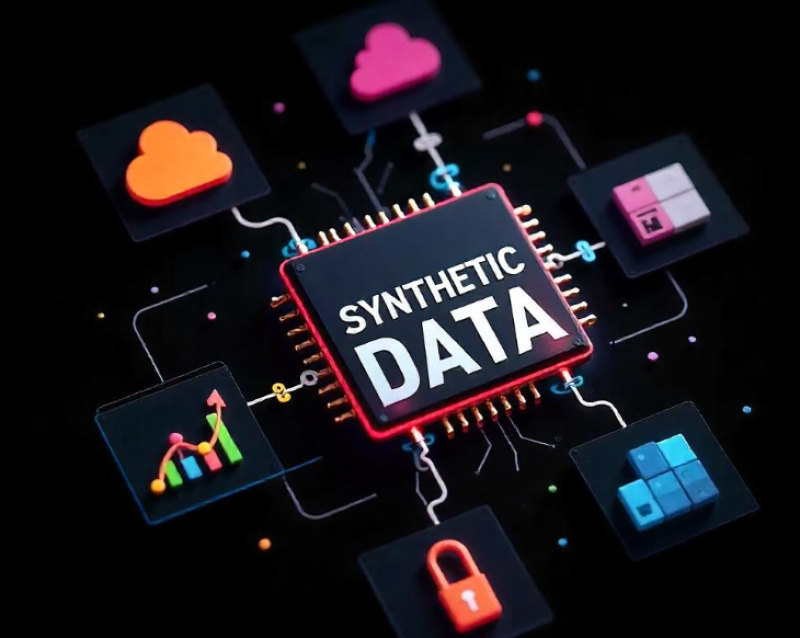
Retail AI is one of the most data-intensive application domains in enterprise technology. Recommendation engines, demand forecasting models, customer churn predictors, dynamic pricing systems, inventory optimization algorithms — each of these depends on vast, detailed customer behavioral datasets that reflect real purchasing patterns, browsing behavior, and lifetime engagement. Building these models compliantly and at scale requires a different approach to data access than most retail organizations currently have. Synthetic datasets for machine learning are increasingly that approach.
The Retail Data Dilemma
Retail organizations sit on enormous stores of customer data. Transaction histories, browsing logs, loyalty program records, customer service interactions, and purchase preference data. The challenge is that this data is subject to a growing range of privacy regulations: GDPR in Europe, CCPA in California, and various other regional requirements that govern how customer behavioral data can be used for automated decision-making and AI model training.
Furthermore, customer trust around data usage is increasingly a competitive consideration. Retailers who build AI on customer data in ways that customers consider invasive face reputational risk that is difficult to quantify but very real. Synthetic data generation provides a path to building sophisticated retail AI without this reputational exposure.
What Synthetic Retail Customer Data Looks Like
Syntellix generates synthetic retail customer datasets that reflect real purchasing behavior patterns. Transaction frequency distributions, basket composition patterns, seasonal purchasing behavior, channel preference distributions, and loyalty program engagement patterns are all preserved in the synthetic output. The datasets are AI-ready and validated for accuracy, meaning they integrate directly into ML training pipelines without extensive preprocessing.
The relational structure of retail data, connecting customer profiles to transaction records, transaction records to product data, and product data to category and pricing tables, is preserved in Syntellix's synthetic generation process. This relational fidelity is essential for training sophisticated recommendation and demand forecasting models.
GDPR Compliant Data Solutions for European Retail AI
European retail organizations face GDPR requirements that affect every phase of customer data-driven AI development. Personalization models, customer segmentation systems, and demand forecasting algorithms that process EU customer data need documented legal basis, data minimization compliance, and clear retention policies.
GDPR compliant data solutions through synthetic data generation simplify retail AI compliance considerably. When recommendation models, churn predictors, and demand forecasting systems are developed on synthetic customer data rather than real records, the GDPR compliance footprint of the development organization shrinks significantly. Legal teams spend less time reviewing data processing activities, compliance officers have fewer systems to audit, and data science teams spend more time building models.
Five Retail AI Applications Built on Synthetic Data
- Product recommendation engines: Train collaborative filtering and content-based recommendation models on synthetic transaction histories with realistic purchase pattern distributions.
- Demand forecasting: Build demand prediction models using synthetic sales data with realistic seasonal, promotional, and baseline demand characteristics.
- Customer lifetime value modeling: Develop CLV prediction models on synthetic customer behavioral datasets with realistic engagement and purchase lifecycle patterns.
- Dynamic pricing optimization: Train pricing models on synthetic market and demand data that reflects real price elasticity and competitive dynamic patterns.
- Inventory optimization: Build inventory management ML systems using synthetic supply chain and demand datasets with realistic variability characteristics.
The Competitive Advantage of Faster Retail AI Development
Retail is a fast-moving competitive environment where AI advantages compound quickly. A demand forecasting model deployed earlier in the season captures more planning cycles. A recommendation engine that has gone through more training iterations delivers better personalization. A churn model that incorporates more customer behavioral signals retains more revenue.
Synthetic data generation accelerates all of these development cycles by removing the data procurement delays that slow retail AI teams. Syntellix generates the training data teams need on demand, allowing faster iteration and earlier deployment of AI capabilities that drive measurable business value.
Conclusion
Synthetic datasets for machine learning are enabling retail AI teams to move faster, stay compliant, and build more sophisticated models than traditional real-data approaches allow. Syntellix provides the industry-specific, statistically rigorous synthetic retail datasets that modern retail AI programs need to deliver competitive advantage, customer value, and responsible AI development simultaneously.
Source:
Click for the: Full Story
You might like









You Might Like this