Close Menu
 World
World
 Biography
 Health
 Education
 Business
 Lifestyle
 Sports
 Technology
 Animals
 History
 Food
Food
 Religious
 Startups
 Movies
 Politics
 Fashion
 Covid
Covid
 Diet
Diet
 Fitness
 Marketing
 Travel
 Science
 Reviews
 Social media
 Stories
 Facts
Facts
 Art
Art
 Entertainment
Oliver Smith

Business
How the Right Tool Bag Organiser Helps Bricklayers Work More Efficiently
 Oliver Smith
Working on a construction site requires preparation, organisation, and access to the right equipment. Bricklayers and other tradespeople often carry a wide selection of tools, from trowels and measuring instruments to pencils, levels, and smaller accessories. Without a suitable storage system, locating the correct item can take valuable time and create unnecessary distractions during a project. Choosing an effective tool bag organiser can help professionals keep essential equipment arranged, protected, and accessible throughout the working day.
A well-organised tool bag is more than a convenient place to store equipment. It can support better working habits, simplify transportation, and help tradespeople maintain a tidy workspace. By understanding the available options and identifying practical storage requirements, construction professionals can select a solution that fits their daily responsibilities.
Why Tool Organisation Matters on Construction Sites
Construction projects often involve several tasks being completed in quick succession. A bricklayer may need to measure a wall, check alignment, apply mortar, and make adjustments within a short period. Searching through an untidy bag for individual tools can interrupt this process and make the working day less efficient.
Keeping equipment organised allows workers to identify what they need without emptying the entire bag. Separate compartments, pockets, and holders can help prevent smaller items from becoming mixed with larger tools.
Good organisation also makes it easier to identify missing equipment at the end of a shift. When each item has a designated place, workers can complete quick checks before leaving the site.
A consistent storage routine is particularly useful for professionals who move between different jobs. Equipment can be packed in a familiar arrangement, reducing the time required to prepare for the next project.
Choosing a Bricklayers Tool Bag
A bricklayers tool bag should accommodate the equipment used regularly without becoming unnecessarily bulky. Bricklaying tools can vary considerably in size, shape, and weight, so the storage arrangement needs to reflect the demands of the trade.
Before purchasing a bag, workers should consider the following features.
Compartment design: Multiple pockets can separate measuring tools, pencils, small accessories, and other frequently used items. This makes equipment easier to locate and reduces clutter.
Material quality: Construction sites expose bags to dust, dirt, moisture, and repeated handling. Durable materials and reinforced stitching can help a bag withstand regular professional use.
Carrying comfort: Handles, shoulder straps, and weight distribution affect how easily equipment can be transported between a vehicle, storage area, and working location.
Capacity: The bag should provide enough room for essential tools while remaining manageable when fully loaded.
Ease of cleaning: Materials that can be wiped down or cleaned according to the manufacturer's guidance are practical for demanding site conditions.
Selecting a bag based on these factors can help tradespeople avoid storage solutions that are either too restrictive or unnecessarily large.
Understanding the Different Types of Tool Bags
The market offers several storage designs, each suited to different working styles. Understanding the differences can make the selection process more straightforward.
Traditional Tool Bags generally feature a main compartment with additional pockets for organising equipment. They can be useful for workers who need to transport a mixture of large and small items between projects.
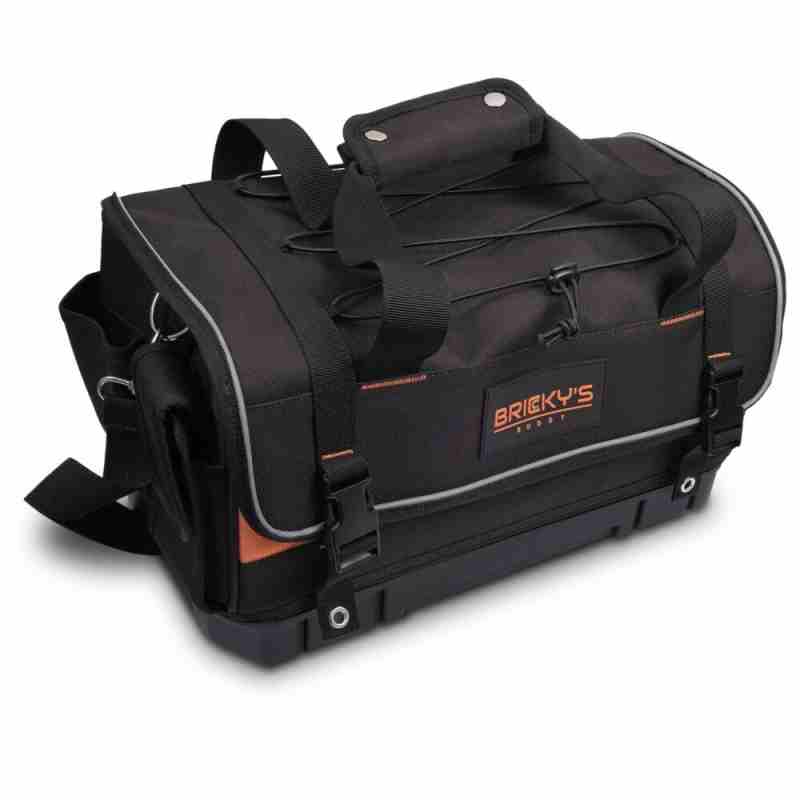
A tradesman tool bag is designed around the practical requirements of professional work. Depending on its construction, it may include reinforced sections, multiple pockets, sturdy handles, and space for commonly used trade equipment.
A builder's tool bag may offer additional capacity for carrying a broader collection of tools and accessories. This can be useful for professionals who undertake varied construction tasks and need to transport several types of equipment.
For demanding working environments, a heavy duty tool bag may provide stronger materials, reinforced seams, and a more robust base. These features can be particularly helpful when the bag is used frequently or carries heavier equipment. However, the recommended load capacity should always be checked before use.
Rather than choosing a design solely because it appears substantial, buyers should assess how its layout, construction, and capacity match their everyday needs.
The Benefits of a Tool Bag Organiser
A thoughtfully arranged tool bag organiser can make equipment storage more systematic. Instead of allowing tools to collect randomly inside the main compartment, workers can assign specific spaces to different categories of equipment.
For example, measuring instruments can be stored separately from pencils and smaller accessories. Frequently used items can be placed in easily accessible pockets, while less frequently required equipment can remain in the main compartment.
This arrangement offers several practical benefits:
- Faster access: Clearly designated spaces make commonly used tools easier to locate.
- Better protection: Separating equipment can reduce unnecessary contact between items during transportation.
- Improved inventory checks: Workers can quickly see whether essential tools have been returned after use.
- Reduced clutter: Dedicated compartments help prevent small accessories from collecting at the bottom of the bag.
- Consistent routines: Returning tools to the same locations makes preparation and packing more predictable.
Organisation does not need to be complicated. Even a simple system based on tool size, frequency of use, or task type can improve everyday efficiency.
When an Open Tote Tool Bag Makes Sense
An open tote tool bag offers a different approach to storage. Its open-top design allows workers to see and reach equipment without repeatedly opening zips or searching through enclosed compartments.
This style can be suitable for jobs where tools are accessed frequently throughout the day. It may also make it easier to carry a varied selection of equipment between nearby work areas.
However, open storage is not ideal for every environment. Tools may be more exposed to rain, dust, and accidental spills, while unsecured items could fall out if the bag is tilted or carried unevenly.
For this reason, tradespeople should consider the working conditions before selecting an open design. A tote with internal pockets, reinforced sides, and a stable base may provide a useful balance between accessibility and organisation.
Tool Pouches and Additional Storage Options
A tool pouch can complement a larger bag by keeping a smaller collection of frequently used items close at hand. Depending on the design, it may be attached to a belt or carried separately for specific tasks.
This can be useful when a bricklayer needs immediate access to pencils, measuring accessories, or other compact equipment without returning to a central storage area.
Separate pouches can also help organise specialist tools that are only required for certain jobs. Keeping these items together makes it easier to prepare for specific tasks without reorganising the entire bag.
When choosing additional storage, it is important to avoid carrying unnecessary equipment. A practical setup should prioritise frequently used tools and keep the overall load manageable.
Finding Suitable Tool Bags in the UK
Professionals comparing tool bags UK options should consider product specifications, construction quality, available compartments, and the intended working environment. Product descriptions can provide useful information about dimensions, materials, carrying arrangements, and load recommendations.
A professional tool bag should be selected according to actual working requirements rather than appearance alone. Workers who carry heavy equipment may prioritise reinforced construction, while those who move frequently between tasks may prefer lighter designs with accessible pockets.
Suppliers such as Bricky’s Buddy offer a starting point for tradespeople exploring bricklaying equipment and related accessories. Comparing available options carefully can help buyers identify storage products that suit their tools, work routines, and transportation needs.
Maintaining Tool Storage for Long-Term Use
Even a durable bag benefits from regular maintenance. Removing dust, dried mortar, and loose debris helps keep compartments usable and makes it easier to identify worn areas.
Tools should be returned to their designated spaces after use, while damaged or unnecessary items should be removed from the bag. Sharp tools should be stored securely to reduce the risk of damaging the material or causing accidental injury.
It is also sensible to inspect handles, straps, seams, zips, and the base periodically. Any signs of significant wear should be addressed before the bag is relied upon to carry heavy equipment.
Avoid exceeding the manufacturer's recommended capacity, and store the bag in a suitable location when it is not being used. These straightforward habits can help extend its useful life.
Conclusion
An organised storage system can make a meaningful difference to the way construction professionals manage their equipment. The right bag helps keep tools accessible, supports efficient preparation, and reduces the frustration associated with misplaced accessories.
By assessing capacity, compartment design, durability, portability, and maintenance requirements, bricklayers can choose a practical storage solution for their working conditions. A well-planned tool bag organiser arrangement can support more consistent routines and help tradespeople focus on completing their work efficiently.
Frequently Asked Questions
1. What should a good tool bag organiser include?
A practical organiser should provide suitable compartments, durable construction, comfortable carrying options, and enough capacity for essential equipment. The ideal layout depends on the tools used for each trade.
2. Which tool bag is best for bricklayers?
The best option is one that accommodates commonly used bricklaying tools, offers convenient access, and withstands regular site use. Capacity, material quality, and compartment arrangement should all be considered.
3. What is the difference between a tool bag and an open tote tool bag?
A traditional tool bag may have a zippered or enclosed main compartment, while an open tote provides direct access to its contents. An open tote can be convenient for frequently used tools, but offers less protection from the elements.
4. Are heavy-duty tool bags suitable for daily professional use?
They can be suitable for frequent use when their materials, construction, and capacity match the intended load. Checking the manufacturer's specifications helps ensure the bag is appropriate for the equipment being carried.
5. How can tradespeople keep their tool bags organised?
Assign specific compartments to different tool categories, return equipment to its designated place after use, remove unnecessary items regularly, and inspect the bag for wear. These habits help maintain an orderly and practical storage system.
Source:
Click for the: Full Story
You might like