



 Close Menu
 World
World
 Biography
 Health
 Education
 Business
 Lifestyle
 Sports
 Technology
 Animals
 History
 Food
Food
 Religious
 Startups
 Movies
 Politics
 Fashion
 Covid
Covid
 Diet
Diet
 Fitness
 Marketing
 Travel
 Science
 Reviews
 Social media
 Stories
 Facts
Facts
 Art
Art
 Entertainment
julie hayes

Health
How to Build a Reliable Surgical Instrument Kit
 julie hayes
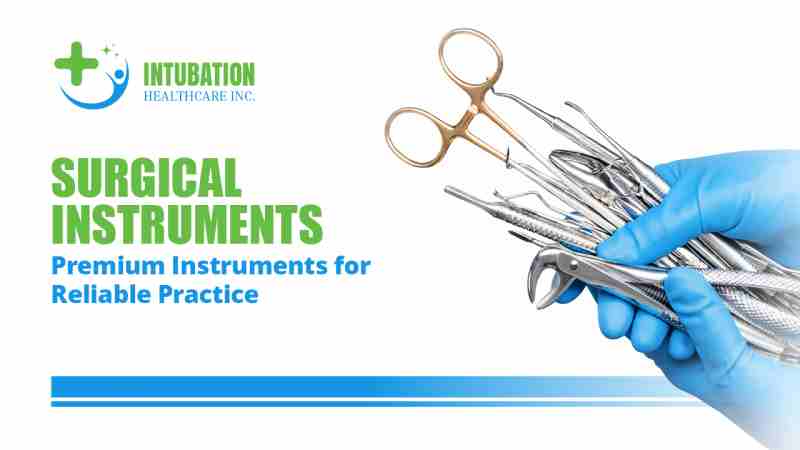
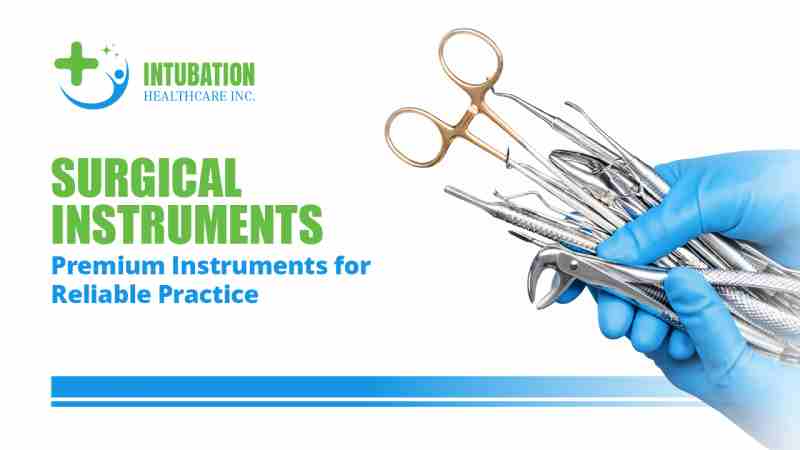
A reliable surgical instrument kit is more than a collection of scissors, forceps, clamps, and retractors placed in a tray. Every instrument should have a defined function, match the intended procedure, withstand the required handling and reprocessing, and be arranged so the clinical team can locate it efficiently.
The composition of an instrument kit can influence procedure preparation, instrument availability, sterile processing workload, inventory management, and purchasing costs. A kit that contains too few instruments may require substitutions or additional tray opening. An overloaded kit can increase handling, inspection, reprocessing, and maintenance requirements without providing meaningful clinical value.
Building the right kit therefore requires a structured approach. Healthcare facilities should begin with the procedure—not a generic instrument checklist and then select the tools needed for cutting, dissecting, grasping, clamping, retracting, suturing, and other specific functions.
Intubation Healthcare offers general surgical instruments and specialty products for anesthesia, ophthalmology, plastic surgery, dentistry, electrosurgery, clinical training, and related applications. Its general surgical collection includes instruments used for cutting, grasping, clamping, retracting, probing, dissecting, suturing, and tissue manipulation.
What Is a Surgical Instrument Kit?
A surgical instrument kit, also called a surgical instrument set or procedure tray, is an organized group of instruments selected for a particular clinical, surgical, diagnostic, or educational purpose.
Examples may include:
- General surgery instrument sets
- Minor surgical procedure kits
- Wound care instrument kits
- Suturing instrument sets
- Dental surgical kits
- Ophthalmic instrument sets
- Plastic surgery instrument kits
- Anesthesia and intubation sets
- Student practice kits
- Specialty procedure trays
A kit may contain reusable instruments, single-use products, or a carefully controlled combination of both. Reusable medical devices are designed and labeled for repeated use and must undergo the appropriate cleaning followed by disinfection or sterilization between patients.
Professional clinical kits should not be confused with student practice kits. Training kits can help learners develop instrument identification, handling, and suturing skills, but their intended use and specifications must be verified before they are considered for patient care. Intubation Healthcare lists both professional instrument categories and student practice products, including minor surgical student kits.
Why a Reliable Surgical Instrument Kit Matters
A well-planned kit helps ensure that the appropriate instruments are available when the clinical team needs them. Reliability comes from more than instrument durability. It depends on the combined performance of instrument selection, tray organization, inventory control, inspection, reprocessing, storage, and replacement practices.
A reliable kit can support:
- Consistent procedure preparation
- Clear instrument identification
- Appropriate instrument availability
- Efficient tray assembly
- Better inventory control
- Predictable clinician handling
- More accurate purchasing decisions
- Easier maintenance and replacement planning
- Reduced unnecessary tray contents
- Better alignment with facility protocols
No instrument set can guarantee a clinical outcome. Clinical performance depends on the patient, procedure, professional judgment, team competency, environment, and many other factors. However, a correctly designed kit can provide the team with instruments suited to the work being performed.
Define the Kit’s Exact Purpose
The first question should not be, “Which instruments should we buy?” It should be, “What procedures will this kit support?”
A general-purpose tray may be appropriate for basic examinations or minor procedures, but a kit for ophthalmic surgery, plastic surgery, airway management, dental care, or deep surgical access will require different instruments.
Document the kit’s intended use by identifying:
- The procedure or procedure family
- The clinical specialty
- The target anatomy
- The types of tissue or materials involved
- The required level of delicacy
- The expected depth of access
- The need for cutting, grasping, clamping, retracting, or suturing
- The facility’s reprocessing capabilities
- The clinicians who will use the kit
- Whether backup instruments are necessary
This prevents the common mistake of purchasing instruments because they are traditionally included in a generic set rather than because they support a defined clinical function.
Organize Instruments by Function
A reliable kit should be built around procedural functions. This method makes it easier to identify gaps and avoid unnecessary duplication.
Cutting and Dissecting Instruments
Cutting instruments may be used for tissue, sutures, dressings, or other materials. Common examples include:
- Surgical scissors
- Dissecting scissors
- Suture scissors
- Bandage scissors
- Ophthalmic scissors
- Scalpel handles
Scissors should be selected according to blade shape, tip design, curvature, instrument length, and intended material. A delicate scissor is not a substitute for a heavy-duty cutting instrument, and a dressing scissor should not automatically be used for tissue.
When buyers plan to buy surgical scissors online, they should compare:
- Straight or curved blades
- Sharp or blunt tips
- Fine or heavy construction
- Blade and overall length
- Intended clinical application
- Reusable or single-use status
- Cleaning and sterilization instructions
Including too many similar scissors can unnecessarily increase tray weight and processing work. Include the patterns that serve a distinct role in the planned procedure.
Grasping and Holding Instruments
Forceps help clinicians hold, position, manipulate, or retrieve tissue and materials. Their tips and jaws can be smooth, serrated, toothed, fenestrated, straight, curved, or angled.
Common types include:
- Tissue forceps
- Dressing forceps
- Dissecting forceps
- Hemostatic forceps
- Alligator forceps
- Non-locking forceps
- Specialty ophthalmic forceps
Intubation Healthcare’s forceps selection includes tissue, hemostatic, dressing, dissecting, alligator, non-locking, and forceps-clamp patterns for general and specialty applications.
Before purchasing surgical forceps, evaluate:
- The tissue or material being handled
- Required grip strength
- Tip dimensions
- Teeth or serration pattern
- Straight or curved configuration
- Working length
- Spring tension
- Ratcheted or non-ratcheted design
The goal is not to select the instrument with the strongest grip. It is to choose the forceps that provide controlled, task-appropriate handling.
Clamping and Occluding Instruments
Clamps and hemostatic forceps may be included when a procedure requires temporary occlusion, vessel control, material holding, or tissue stabilization.
Possible instruments include:
- Mosquito forceps
- Hemostatic forceps
- Artery forceps
- Towel clamps
- Intestinal clamps
- Tubing clamps
- Specialty vascular clamps
Examine jaw configuration, serrations, curvature, length, ratchet function, and intended use. A clamp should not be selected solely because its size fits the tray.
For a reliable kit, every locking instrument should be checked for:
- Proper jaw alignment
- Smooth opening and closing
- Secure ratchet engagement
- Loose or stiff joints
- Worn serrations
- Corrosion, pitting, or cracking
- Unintended movement after locking
Retracting and Exposing Instruments
Retractors help maintain access and visibility. Their designs vary according to anatomical location, incision depth, tissue type, and whether manual or self-retaining exposure is required.
Examples include:
- Handheld retractors
- Skin hooks
- Rake retractors
- Self-retaining retractors
- Ophthalmic retractors
- Plastic surgery retractors
Consider blade width, depth, curvature, number of prongs, handle design, overall size, and locking mechanism. An unnecessarily large retractor can be difficult to position, while an undersized instrument may not provide adequate exposure.
Suturing Instruments
A basic suturing section may include:
- Needle holders
- Tissue forceps
- Suture scissors
- Appropriate supporting accessories
The needle holder should correspond to the surgical needle, suture material, procedural depth, and required delicacy. Selection factors include jaw size, jaw surface, handle design, ratchet mechanism, instrument length, and needle compatibility.
A needle holder that is too heavy for a fine needle may reduce control. A delicate holder used with an unsuitable needle can experience excessive wear or fail to grip correctly.
Probing, Suctioning, Dilating, or Specialty Instruments
Some procedures require instruments beyond the five basic functional groups.
These may include:
- Probes
- Directors
- Curettes
- Suction tubes
- Cannulas
- Dilators
- Elevators
- Hooks
- Rongeurs
- Electrosurgical accessories
- Airway-management instruments
Only include these products when the procedure requires them and the facility has the correct protocols, supporting equipment, and reprocessing capability.
Choose Instruments for the Clinical Specialty
A universal kit cannot satisfy every specialty. The instrument pattern must reflect the anatomy and technique involved.
General and Minor Surgery Kits
A general or minor surgery kit may include a carefully selected combination of:
- Scissors
- Tissue and dressing forceps
- Hemostatic forceps
- Needle holders
- Retractors
- Scalpel handles
- Probes or directors
The final configuration should be approved by the relevant clinical professionals and aligned with the facility’s procedures.
Ophthalmic Instrument Kits
Ophthalmic surgery often requires fine tips, accurate alignment, lightweight handling, and instrument dimensions suited to a small operative field.
An ophthalmic set may contain specialty:
- Eye forceps
- Ophthalmic scissors
- Eye speculums
- Cannulas
- Retractors
- Needle holders
- Manipulators
Intubation Healthcare’s ophthalmic range includes eye speculums, forceps, scissors, cannulas, retractors, and other instruments for ophthalmic applications.
Because small amounts of tip damage or misalignment can affect fine instrument function, delicate ophthalmic tools require protective handling and careful inspection.
Plastic Surgery Instrument Kits
Plastic and reconstructive procedures may involve fine dissection, controlled tissue handling, retraction, suturing, and contouring.
Depending on the procedure, a plastic surgery kit may include:
- Fine tissue forceps
- Dissecting scissors
- Needle holders
- Skin hooks
- Retractors
- Dissectors
- Cannulas
- Specialty clamps
Intubation Healthcare’s plastic surgery collection includes forceps, scissors, retractors, needle holders, dissectors, cannulas, and other specialty instruments.
Anesthesia and Intubation Kits
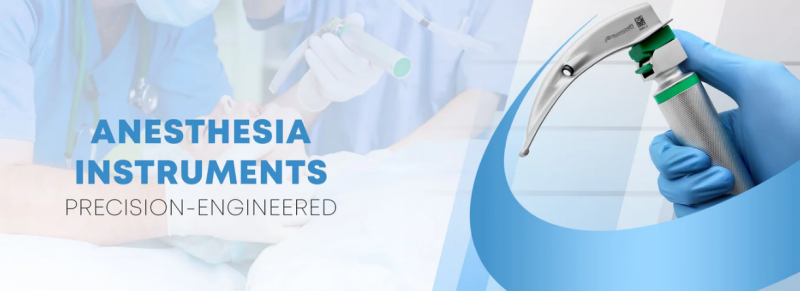
Airway and anesthesia kits are highly application-specific. Products may include:
- Laryngoscope handles and blades
- Intubation stylets
- Magill forceps
- Airway accessories
- Other intubation equipment
The site lists reusable and single-use Macintosh and Miller laryngoscopes, intubation stylets, and related anesthesia instruments.
Airway equipment should be selected and checked by trained professionals according to the intended patient population, institutional protocols, device compatibility, and manufacturer instructions.
Dental Instrument Kits
Dental and oral surgery kits may require:
- Examination instruments
- Dental forceps
- Elevators
- Curettes
- Scalers
- Retractors
- Scissors
- Needle holders
Because dental tools can have highly specific working ends, selection should be based on the exact procedure rather than a broad product label.
Student Surgical Practice Kits
A student kit may contain basic instruments for learning:
- Instrument identification
- Suturing technique
- Knot tying
- Forceps handling
- Scissor control
- Simulated minor procedures
Training kits should be clearly labeled and stored separately from clinical inventory when they are not intended or approved for patient use.
Select the Correct Size and Pattern
Two instruments can share the same name but perform differently because of variations in size, curvature, tip configuration, jaw pattern, or handle design.
Review both the overall instrument dimensions and the working-end specifications.
Important characteristics include:
- Total length
- Blade or jaw length
- Tip width
- Straight or curved design
- Sharp or blunt tips
- Toothed or non-toothed jaws
- Fine or heavy pattern
- Ratcheted or non-ratcheted handle
- Handheld or self-retaining operation
- Depth of working access
Product images alone may not communicate the instrument’s actual scale. Buyers should verify listed measurements before placing an order.
Evaluate Material and Construction
Many reusable instruments are manufactured from stainless steel because suitable grades can offer strength, corrosion resistance, cleanability, and the ability to tolerate specified reprocessing procedures.
Material quality is only one part of instrument reliability. Buyers should also consider:
- Tip and jaw alignment
- Joint construction
- Surface finish
- Edge preparation
- Ratchet quality
- Instrument balance
- Welded or connected components
- Corrosion resistance
- Manufacturer care instructions
Reusable medical devices are designed from materials that can tolerate repeated processing, but each device requires its own reprocessing regimen. Buyers must follow the applicable instructions instead of assuming every stainless steel instrument can undergo the same process.
When comparing stainless steel surgical instruments for sale, evaluate the instrument’s full specification, intended purpose, reusable status, and processing requirements—not only the material description.
Confirm Reprocessing Compatibility
A reusable surgical instrument must fit the facility’s cleaning, disinfection, sterilization, drying, inspection, packaging, and storage system.
The FDA describes reusable-device reprocessing as a multistep process involving cleaning followed by the appropriate disinfection or sterilization. Each reusable device requires a specific regimen.
Before adding an instrument to a kit, confirm:
- Whether it is reusable or single-use
- Point-of-use treatment requirements
- Manual or mechanical cleaning instructions
- Whether disassembly is required
- Brush, lumen, or flushing requirements
- Detergent compatibility
- Sterilization method compatibility
- Drying instructions
- Lubrication requirements
- Inspection criteria
- Packaging and storage requirements
The CDC recommends cleaning medical devices as soon as practical after use because dried soil is more difficult to remove and can interfere with effective disinfection or sterilization.
Do not include an instrument in a reusable kit unless the facility can consistently follow its reprocessing instructions.
Avoid Overloading the Tray
Adding instruments “just in case” can gradually turn a focused kit into a large, inefficient tray.
Every additional reusable instrument may require:
- Point-of-use handling
- Transportation
- Cleaning
- Inspection
- Assembly
- Packaging
- Sterilization
- Storage
- Inventory tracking
- Maintenance
Review each item by asking:
- Does this instrument support a defined step in the procedure?
- Is it routinely used?
- Is a duplicate clinically necessary?
- Can one suitable pattern replace multiple redundant instruments?
- Does opening this instrument provide enough value to justify processing it?
- Is it better maintained as a separately available backup?
The objective is not to build the smallest possible tray. It is to build a complete but disciplined kit.
Include Appropriate Backup Instruments
Some instruments may require duplicates because they are used repeatedly, have a greater likelihood of contamination during setup, or perform a critical function.
Potential backup items can include:
- Frequently used forceps
- Needle holders
- Hemostatic clamps
- Scissors
- Specialty instruments without practical substitutes
Backup quantities should be based on procedure data, clinician input, repair history, and facility policy rather than arbitrary duplication.
Facilities should also maintain backup inventory outside the tray to support turnover, repair cycles, and unexpected demand.
Standardize Kit Layout and Identification
Instrument arrangement should be consistent enough that staff can assemble, inspect, and verify the kit efficiently.
Useful controls include:
- A standardized instrument list
- Product names and pattern descriptions
- Instrument quantities
- Size and curvature details
- Reference photographs
- Supplier or catalog references
- Tray or kit identification
- Revision dates
- Approved substitution rules
- Missing-instrument reporting procedures
A master list should distinguish between instruments that appear similar. “Forceps” is too broad. A useful description might include the exact type, length, teeth, curvature, and quantity.
Standardization also supports more accurate recurring orders from a surgical instrument supplier.
Inspect Every Instrument Before Use
A kit is only reliable when its contents remain clean, complete, functional, and suitable for use.
Inspection criteria depend on the instrument, but may include:
- Residual soil
- Cracks
- Pitting
- Corrosion
- Discoloration
- Peeling or damaged surfaces
- Loose joints
- Bent tips
- Misaligned jaws
- Worn serrations
- Dull or damaged cutting edges
- Unreliable ratchets
- Incomplete components
- Damaged insulation
Inspection of reusable instruments is an essential part of identifying soil and functional or structural damage before the instrument returns to service.
Questionable instruments should be removed according to the facility’s repair, replacement, or evaluation process. An instrument should not remain in a kit merely to satisfy the expected item count.
Create a Maintenance and Replacement Plan
Even high-quality surgical instruments have a service life. Cutting edges can become dull, joints can loosen, serrations can wear, and delicate tips can bend.
A practical maintenance plan should document:
- Routine inspection responsibilities
- Functional testing requirements
- Sharpening or repair procedures
- Approved repair providers
- Removal-from-service criteria
- Replacement authorization
- Instrument loss tracking
- Repair frequency
- Common failure patterns
- Spare inventory levels
Tracking repair and replacement data can help buyers identify instruments that are being misused, damaged during processing, or purchased in an unsuitable pattern.
Purchase from a Reliable Surgical Instrument Supplier
A dependable supplier should make it easier to compare and reorder products.
When preparing to buy surgical instruments online, look for:
- Clear product names
- Detailed descriptions
- Instrument dimensions
- Tip, jaw, or blade information
- Material details
- Reusable or single-use status
- Product photographs
- Specialty categories
- Transparent pricing
- Ordering support
- Shipping information
- Accessible customer service
Intubation Healthcare provides online collections for general surgical instruments, anesthesia and intubation products, ophthalmic tools, plastic surgery instruments, dental products, electrosurgical accessories, sutures, and student practice kits.
Healthcare buyers can use these categories to compare individual instruments and complete sets according to their professional, institutional, or educational requirements.
Sample Basic Surgical Instrument Kit Checklist
The following example illustrates how a basic kit can be organized. It is not a universal clinical prescription. Final contents should be selected and approved for the intended procedure.
Cutting Instruments
- Appropriate surgical scissors
- Suture scissors
- Scalpel handle, when required
Grasping Instruments
- Tissue forceps
- Dressing or dissecting forceps
Clamping Instruments
- Small hemostatic forceps
- Medium hemostatic or artery forceps
- Towel clamps, when required
Retracting Instruments
- Appropriate handheld retractors
- Skin hooks or self-retaining retractors, when required
Suturing Instruments
- Suitable needle holder
- Tissue forceps
- Suture scissors
Additional Procedure-Specific Instruments
- Probe or director
- Curette
- Suction instrument
- Cannula
- Dilator
- Specialty forceps
- Airway instrument
- Ophthalmic or plastic surgery instrument
Each instrument should have a documented reason for being included.
Common Mistakes When Building Surgical Instrument Sets
Buying a Generic Set Without Reviewing Its Contents
A preassembled set may provide convenient purchasing, but every item should still be checked against the intended procedure.
Choosing Instruments by Name Alone
Instrument names do not always communicate size, tip pattern, curvature, or intended use.
Including Too Many Similar Instruments
Unnecessary duplication increases tray complexity and reprocessing work.
Ignoring Clinician and Sterile Processing Input
Clinical users understand procedural needs, while sterile processing staff can identify cleaning, inspection, assembly, and maintenance challenges. Both perspectives matter.
Mixing Training and Clinical Instruments
Student tools and professional patient-care instruments should be clearly distinguished according to their labeling and intended use.
Overlooking Reprocessing Instructions
An instrument may appear suitable but be incompatible with the facility’s established processing system.
Keeping Damaged Instruments in the Kit
A complete item count does not make a tray reliable when one or more instruments cannot perform their intended function.
Purchasing Only on Price
The lowest-priced option may not provide the best fit, durability, specifications, or long-term value. Consider service life, repair needs, reprocessing compatibility, and expected frequency of use.
How to Buy a Surgical Instrument Kit Online
Before placing an order, use this purchasing checklist:
- Confirm the exact procedure and specialty.
- Create a function-based instrument list.
- Verify the pattern and size of every item.
- Review material and construction details.
- Confirm reusable or single-use status.
- Check reprocessing compatibility.
- Determine required quantities and backups.
- Compare individual products with preassembled sets.
- Review the supplier’s product information and support.
- Document the final configuration for future reordering.
Buyers searching for a surgical instrument kit for sale should not assume that the set with the highest item count offers the greatest value. A reliable kit contains the right instruments in the right patterns and quantities.
Why Shop at Intubation Healthcare?
Intubation Healthcare supplies general and specialty instruments for hospitals, clinics, operating rooms, private practices, healthcare professionals, and students.
Available categories include:
- General surgical instruments
- Surgical scissors
- Surgical forceps
- Clamps and hemostatic forceps
- Retractors
- Needle holders
- Anesthesia and intubation instruments
- Ophthalmic instruments
- Plastic surgery instruments
- Dental instruments
- Electrosurgical accessories
- Sutures
- Student practice kits
The company describes its focus as providing reliable specialty instruments with an emphasis on precision and quality for surgical facilities and healthcare professionals.
Professionals can browse the online catalog to shop surgical instrument kits, buy surgical forceps, order surgical scissors, compare reusable surgical tools, and purchase specialty instruments online.
Conclusion
Building a reliable surgical instrument kit starts with a clear understanding of the procedure. Instruments should then be selected by function, clinical specialty, size, pattern, material, construction, and reprocessing requirements.
A dependable kit should be:
- Procedure-specific
- Functionally complete
- Free from unnecessary duplication
- Easy to inspect and assemble
- Compatible with validated reprocessing
- Supported by an inventory and maintenance plan
- Purchased from a reliable medical equipment supplier
The best surgical instrument set is not necessarily the largest or most expensive. It is the kit that provides the exact tools required for controlled, efficient, and professionally managed clinical work.
Explore Intubation Healthcare’s selection of professional surgical instruments, stainless steel surgical tools, forceps, scissors, clamps, retractors, needle holders, specialty equipment, and student practice kits to build a set suited to your requirements.
Frequently Asked Questions
What instruments are included in a basic surgical kit?
A basic kit may include surgical scissors, tissue forceps, dressing forceps, hemostatic clamps, a needle holder, retractors, and a scalpel handle. The correct contents depend on the procedure, clinical setting, and facility protocols.
How do I choose a surgical instrument set?
Start with the exact procedure and identify the required cutting, grasping, clamping, retracting, and suturing functions. Then compare instrument size, pattern, material, intended use, and reprocessing compatibility.
Are stainless steel surgical instruments reusable?
Some stainless steel surgical instruments are designed and labeled for reuse, but reusable status must be confirmed from the product information. Reusable instruments must be processed according to the manufacturer’s instructions.
Should every surgical kit contain backup instruments?
Backup instruments may be appropriate for critical or frequently used functions. The required quantity should be determined through clinical input, procedure data, facility policy, and instrument repair history.
How often should a surgical kit be inspected?
Reusable instruments should be inspected during the applicable reprocessing and tray-assembly workflow and before use according to manufacturer instructions and facility policies.
What is the difference between a surgical kit and a student practice kit?
A professional surgical kit is assembled for approved clinical procedures. A student practice kit is intended for education and simulated skills training unless its labeling specifically supports another use.
Where can I buy surgical instrument kits online?
Healthcare professionals and students can purchase instruments from an established surgical and medical equipment supplier. Intubation Healthcare offers general surgical tools, specialty instruments, reusable products, and practice kits through its online collections.
Source:
Click for the: Full Story
You might like







You Might Like this