Close Menu
 World
World
 Biography
 Health
 Education
 Business
 Lifestyle
 Sports
 Technology
 Animals
 History
 Food
Food
 Religious
 Startups
 Movies
 Politics
 Fashion
 Covid
Covid
 Diet
Diet
 Fitness
 Marketing
 Travel
 Science
 Reviews
 Social media
 Stories
 Facts
Facts
 Art
Art
 Entertainment
Hemant Code brew

Business
How to Develop an Astrology Consultation App Like AstroTalk & AstroYogi
 Hemant Code brew
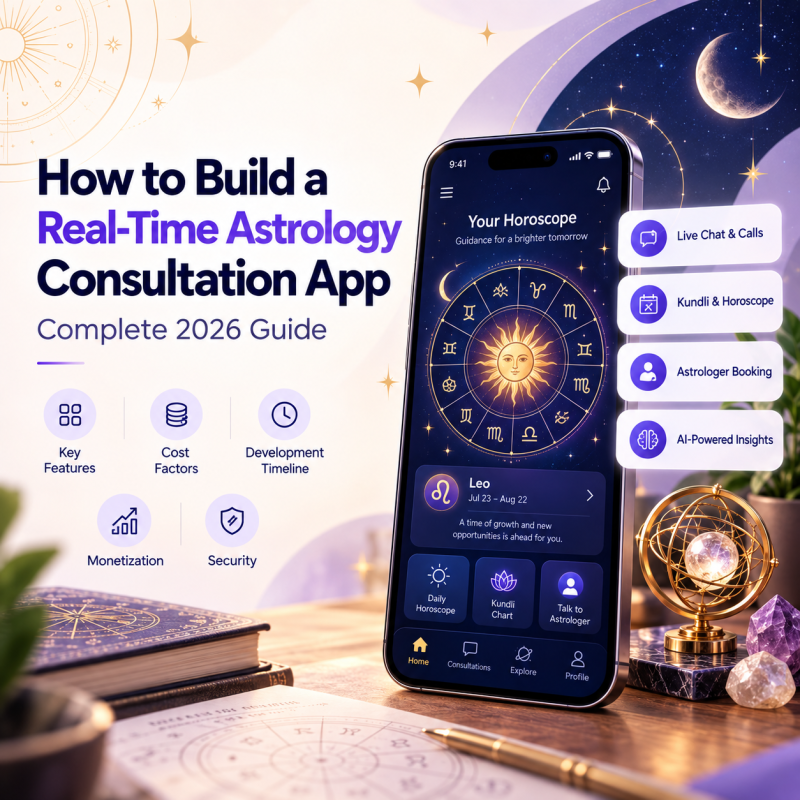
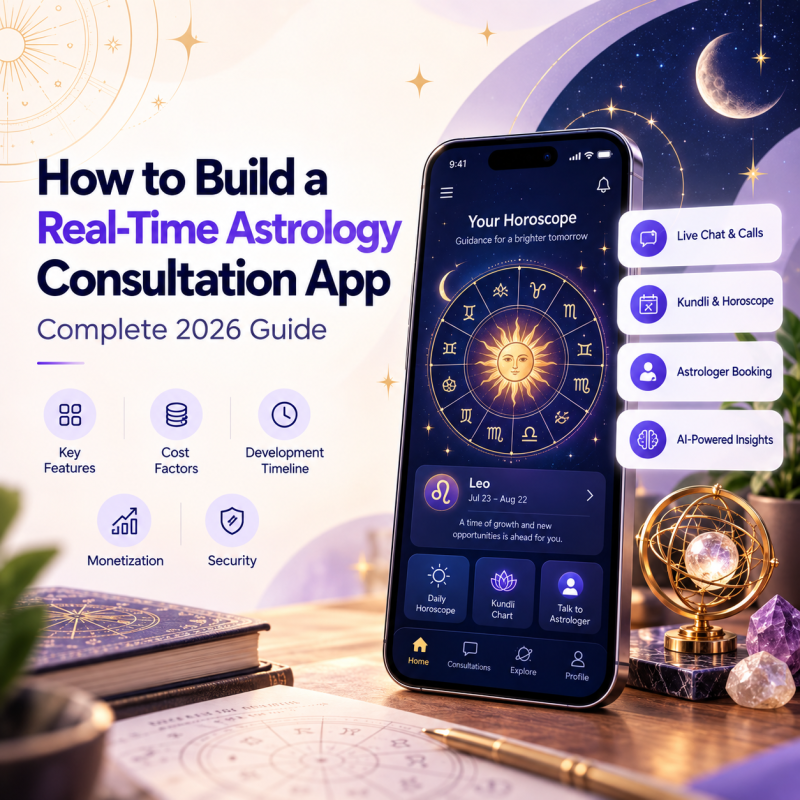
Astrology apps have evolved beyond daily horoscope notifications. Today, users expect instant access to astrologers, personalized birth-chart insights, live chat or video consultations, compatibility reports, and increasingly, AI-assisted guidance.
For businesses exploring Astrology App development, the opportunity is to create a platform that connects users with astrologers in real time while making consultation, discovery, payment, and follow-up simple.
This guide explains how to make astrology app platforms for real-time consultations, the features they need, how they work, and what businesses should consider before development.
What Is a Real-Time Astrology Consultation App?
A real-time astrology consultation app is a digital platform where users can discover astrologers and connect with them through chat, audio calls, or video consultations.
Unlike a basic horoscope app, a consultation platform usually combines three parts:
- A user-facing mobile application
- An astrologer dashboard or application
- An admin panel for managing the complete platform
Users can create profiles, enter birth details, choose an astrologer, pay for a session, communicate in real time, and access consultation history from one place.
How Does an Astrology Consultation App Work?
The typical user journey is straightforward.
A user first creates an account and provides information such as their name, date of birth, time of birth, and location. The app can use this information to prepare personalized astrological data.
Users can then browse astrologers based on factors such as specialization, language, experience, rating, consultation type, price, and availability.
After choosing an astrologer, the user can start an immediate consultation or schedule one for later. Depending on the platform, the interaction may happen through:
Chat Consultation: Users communicate through real-time messaging.
Voice Consultation: Users speak with astrologers directly through an in-app call.
Video Consultation: Users receive face-to-face consultations without leaving the platform.
After the session, users may receive consultation notes, recommendations, reports, or the option to reconnect with the same astrologer.
Essential Features for an Astrology App
Successful Astrology App development requires more than adding horoscope content. The platform needs features for both customers and astrologers.
User Registration and Birth Profile
Users should be able to register quickly and save important birth information securely.
A profile may include:
- Date of birth
- Time of birth
- Birthplace
- Preferred language
- Areas of interest
- Consultation history
Keeping this information saved reduces friction during future consultations.
Astrologer Discovery and Profiles
Choosing the right astrologer is one of the most important parts of the experience.
Each astrologer profile can display information such as:
- Experience
- Specializations
- Languages
- Consultation fee
- Ratings and reviews
- Available consultation methods
- Current availability
Filters and search tools can make it easier for users to find professionals suited to their requirements.
Real-Time Chat, Voice and Video
Real-time communication is the foundation of a consultation-focused astrology app.
The platform should support stable chat, audio, and video functionality while showing whether an astrologer is:
- Online
- Busy
- Available
- Offline
Users should also know the consultation rate and expected session duration before starting.
Appointment Scheduling
Not every user wants an immediate consultation.
Scheduling allows users to select an astrologer and reserve a suitable time. The system can send reminders before the session begins and notify users if the astrologer changes availability.
This becomes particularly important when a platform serves users and astrologers across different time zones.
Kundli and Birth Chart Generation
Personalized astrology tools can complement live consultations.
Depending on the target market, an app may offer:
- Kundli generation
- Birth charts
- Planetary positions
- Dashas
- Zodiac information
- Compatibility reports
- Horoscope reports
These features can give astrologers useful context before a consultation and provide users with additional reasons to return to the platform.
Secure In-App Payments
A real-time consultation platform needs a clear payment system.
Businesses can support models such as:
- Per-minute consultation
- Fixed-price sessions
- Wallet balance
- Subscription plans
- Paid reports
Users should always understand how much a consultation costs before it begins.
A transparent transaction history should also be available inside the account.
Ratings and Reviews
Reviews can help users evaluate astrologers before booking.
After a consultation, customers can be asked to rate factors such as their overall experience and leave written feedback.
Platforms should also include moderation systems to identify spam, manipulation, or inappropriate reviews.
Notifications
Notifications can improve engagement when they provide useful information rather than becoming excessive.
They can be used for:
- Consultation reminders
- Astrologer availability
- Incoming calls or chat requests
- Appointment confirmations
- New reports
- Payment updates
Personalization is especially important because not every user wants the same frequency of astrology-related notifications.
Features for Astrologers
When considering how to make astrology app platforms, businesses should pay as much attention to the astrologer experience as the customer experience.
Astrologers may need a dedicated dashboard where they can:
- Create and manage profiles
- Set consultation rates
- Define working hours
- Accept or reject requests
- Manage appointments
- View relevant customer details
- Conduct chats and calls
- Track earnings
- Review consultation history
A complicated astrologer interface can directly affect customer experience, so it should remain simple and efficient.
Admin Panel for Managing the Platform
The admin panel acts as the operational centre of the application.
Administrators typically need tools for managing:
- Users
- Astrologers
- Verification
- Consultations
- Payments
- Refunds
- Reports
- Reviews
- Offers
- Content
- Customer support
Analytics can also help administrators understand consultation volume, retention, revenue patterns, and platform performance.
Where Can AI Be Used in an Astrology App?
AI can support the experience without necessarily replacing human astrologers.
AI-Powered Recommendations
AI can recommend astrologers based on factors such as user preferences, consultation history, language, topic, and availability.
Conversational Astrology Assistants
An AI assistant can answer basic questions, explain astrological terminology, collect information before a session, or help users navigate the platform.
For sensitive personal decisions, the product should clearly distinguish automated responses from guidance provided by a human astrologer.
Personalized Content
AI can help customize horoscope feeds, educational content, reminders, and recommendations according to user interests.
Consultation Summaries
With appropriate user consent and privacy controls, AI can help transform consultation information into structured notes or summaries for easier reference.
Choosing the Right Technology Stack
The technology stack depends on the app's scale, platform strategy, and feature complexity.
A typical setup might include:
Frontend: Flutter, React Native, Swift, or Kotlin
Backend: Node.js, Python, Java, or similar server technologies
Database: PostgreSQL, MySQL, MongoDB, or another suitable database
Real-Time Communication: WebSockets and specialized voice/video communication infrastructure
Cloud Infrastructure: AWS, Google Cloud, Azure, or another scalable hosting environment
Payments: Payment gateways appropriate to the markets where the app operates
The technical architecture should also support scaling because consultation traffic may increase significantly during festivals, astrological events, or marketing campaigns.
How to Make an Astrology App: Development Process
A structured development process helps prevent unnecessary complexity.
1. Define the Business Model
Decide whether the platform will focus primarily on consultations, astrology tools, subscription content, AI features, or a combination of these.
2. Identify the MVP Features
Start with the essential features needed to deliver the main service.
For a consultation-focused MVP, this could include:
User registration → Astrologer profiles → Search → Chat/call → Payments → Reviews.
Advanced features can be introduced later.
3. Design the User Experience
Astrology apps often contain large amounts of information. Good UX should make that information easier to understand rather than overwhelming users.
The path from discovering an astrologer to starting a consultation should require as few unnecessary steps as possible.
4. Build and Integrate the Core Systems
Development usually covers the customer app, astrologer interface, backend, payments, communication tools, notifications, and admin dashboard.
5. Test Real-Time Features Carefully
Real-time consultations require detailed testing.
Teams should check:
- Call quality
- Network interruptions
- Payment failures
- Session timers
- Connection recovery
- Notifications
- Appointment conflicts
- Device compatibility
6. Launch the MVP
Instead of building every possible astrology feature before launch, release a focused version and evaluate actual user behaviour.
Usage data can then guide future development.
How Can an Astrology App Generate Revenue?
Several monetization models are possible.
Per-Minute Consultations: Users are charged according to consultation duration.
Fixed Session Fees: Astrologers provide predetermined session packages.
Subscriptions: Users pay regularly for premium features or content.
Paid Reports: Detailed birth charts, compatibility reports, and similar personalized reports can be sold separately.
Platform Commission: The platform receives a percentage of transactions completed between customers and astrologers.
The right model depends on the target audience and service structure.
Important Considerations Before Development
A real-time astrology platform handles personal information, payments, and direct conversations between users and service providers.
Businesses should therefore plan for:
Privacy: Birth information and consultation data should be handled responsibly.
Security: Accounts, transactions, APIs, and communication systems need appropriate safeguards.
Astrologer Verification: A clear onboarding and verification process can help maintain platform quality.
Transparent Pricing: Customers should understand consultation rates and billing rules before starting.
Responsible Product Design: The interface should avoid presenting uncertain or interpretive outputs as guaranteed outcomes, particularly for high-stakes areas such as medical, financial, or legal decisions.
How Long Does Astrology App Development Take?
There is no single development timeline because it depends on the product scope.
A basic MVP with profiles, astrologer discovery, consultations, payments, and an admin panel can be developed considerably faster than a large platform containing AI assistants, extensive astrology calculations, video calling, multilingual support, subscriptions, and advanced analytics.
The best approach is to define the MVP first and estimate the timeline based on confirmed features.
What Determines Astrology App Development Cost?
The cost of Astrology App development varies according to factors such as:
- Number of platforms
- UI/UX complexity
- Chat, audio and video functionality
- Astrology calculation requirements
- AI integrations
- Payment infrastructure
- Admin capabilities
- Third-party integrations
- Security requirements
- Development team location
- Post-launch maintenance
Rather than starting with a fixed budget estimate, businesses should first document the required features and user journeys.
Final Thoughts
Building a real-time astrology consultation app is not simply about placing astrologers inside a mobile application. The product needs to make discovery, communication, scheduling, payments, and follow-up work together as one reliable experience.
For businesses considering how to make astrology app platforms in 2026, starting with a focused consultation experience is often more practical than launching with dozens of features.
A strong Astrology App development strategy should prioritize trustworthy astrologer profiles, frictionless real-time consultations, secure payments, personalized experiences, and an architecture that can expand as the user base grows.
The goal is ultimately to create a platform where technology makes access to astrology services simpler, faster, and easier to manage.
Want to see how a real-time astrology consultation app can be built in 2026? Watch the full video for the complete breakdown: https://youtu.be/NNaYAUlv61o?si=WAIF5sW5pCL6aso4
Source:
Click for the: Full Story
You might like