Close Menu
 World
World
 Biography
 Health
 Education
 Business
 Lifestyle
 Sports
 Technology
 Animals
 History
 Food
Food
 Religious
 Startups
 Movies
 Politics
 Fashion
 Covid
Covid
 Diet
Diet
 Fitness
 Marketing
 Travel
 Science
 Reviews
 Social media
 Stories
 Facts
Facts
 Art
Art
 Entertainment
Rohit

Food
How to Find Reliable Sesame Seeds Manufacturers in India
 Rohit
Rohit
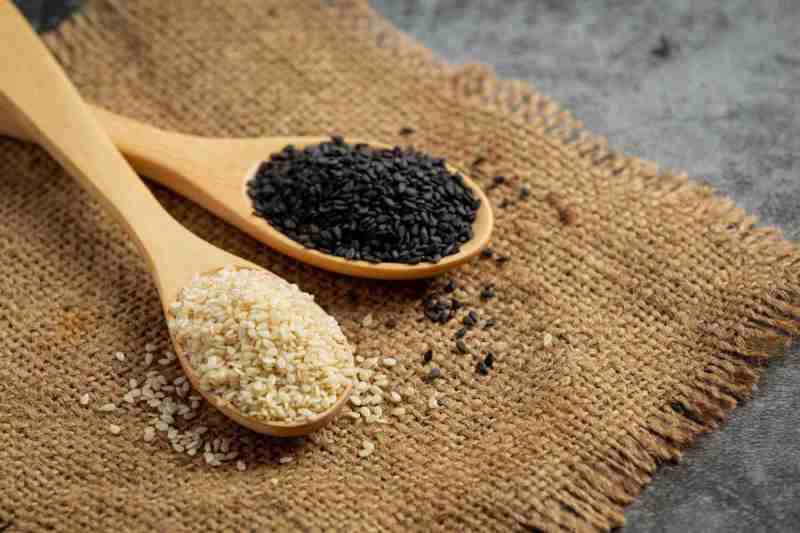
Finding the right supplier is an important decision for food processors, wholesalers, exporters, retailers, and businesses that use sesame seeds as an ingredient. India is one of the major origins for sesame production and trade, which gives buyers access to a wide range of suppliers and processing companies. However, not every supplier offers the same level of quality, consistency, documentation, or service.
Choosing reliable Sesame Seeds Manufacturers in India requires more than comparing prices. Buyers should evaluate seed quality, processing standards, sourcing practices, packaging, testing, certifications, order capacity, and delivery reliability before making a long-term purchasing decision.
This guide explains the key factors buyers should consider when selecting Sesame Seeds Manufacturers, whether they need small commercial quantities or regular bulk supplies.
Why Choosing the Right Sesame Seeds Manufacturer Matters
Sesame seeds are used across several industries, including bakery products, confectionery, snacks, sauces, tahini, edible oils, and traditional food products. Their quality can directly affect the taste, appearance, texture, shelf life, and overall consistency of the finished product.
A dependable manufacturer can help businesses maintain consistent quality across multiple batches. On the other hand, inconsistent sourcing or inadequate processing may result in problems such as impurities, excessive moisture, broken seeds, poor colour, or variations in size.
For businesses purchasing regularly, working with dependable Sesame Seeds Manufacturers in India can also make procurement more predictable. Buyers can establish specifications in advance and develop a supply relationship based on measurable quality requirements rather than price alone.
1. Check the Source and Quality of Sesame Seeds
The first step is understanding where the sesame seeds come from and how the manufacturer handles raw material procurement.
Ask potential suppliers about:
- Origin of the sesame seeds
- Seed variety and colour
- Harvest season
- Moisture level
- Purity percentage
- Foreign matter
- Damaged or broken seeds
- Oil content, where relevant
- Available grades and specifications
Different applications may require different sesame seed characteristics. For example, a bakery may prioritise appearance and uniformity, while an oil processor may have different specifications.
A reliable manufacturer should be able to clearly explain the product specifications rather than providing only a general description.
2. Evaluate the Processing and Cleaning Facilities
Raw sesame seeds normally require cleaning and processing before they are ready for commercial use. The quality of this process can have a significant impact on the final product.
When evaluating Sesame Seeds Manufacturers, look at their processing capabilities. Depending on the product, facilities may include cleaning, grading, destoning, sorting, hulling, drying, and other specialised processing stages.
Modern sorting and cleaning systems can help remove unwanted materials and improve batch uniformity. Buyers should also ask whether quality checks are performed at different stages of processing instead of only at the final stage.
For example, Valency Agro focuses on maintaining defined product specifications throughout sourcing and processing, which is an important consideration for buyers looking for consistency.
3. Ask for Quality Testing and Documentation
Quality claims should be supported by appropriate documentation.
Before placing a large order, ask the manufacturer what testing procedures are followed and what documentation can be provided with shipments. Depending on the intended market and application, relevant documentation may include product specifications, laboratory reports, certificates of analysis, and other compliance-related documents.
Important quality parameters may include:
- Moisture
- Purity
- Foreign matter
- Microbiological parameters
- Pesticide residue requirements
- Colour and appearance
- Packaging specifications
For international buyers, additional requirements may apply depending on the destination country's food safety and import regulations.
A trustworthy supplier should be transparent about its testing process and should not hesitate to explain how product quality is verified.
4. Compare Sesame Seeds Manufacturers on Consistency
A sample that looks excellent does not automatically guarantee that every future shipment will meet the same standard.
This is why consistency should be one of the most important selection criteria.
When comparing Sesame Seeds Manufacturers in India, ask whether they can maintain consistent specifications across repeated orders. You can also request samples from different production batches when appropriate.
Pay attention to:
- Seed size and uniformity
- Colour consistency
- Cleanliness
- Moisture
- Packaging quality
- Overall appearance
For businesses selling packaged foods or supplying manufacturers, consistent raw materials can help reduce production variations.
5. Check Their Bulk Supply Capacity
A supplier may offer excellent quality but still be unsuitable if they cannot meet your required volume.
Before finalising a manufacturer, understand their production and supply capacity. Ask about minimum order quantities, monthly availability, lead times, and their ability to handle repeat orders.
This is especially important for wholesalers, exporters, food manufacturers, and large distributors.
Reliable Sesame Seeds Suppliers in India should be able to communicate realistic delivery timelines instead of making commitments they cannot consistently fulfil.
If your business requires regular procurement, discuss expected annual or monthly requirements before establishing a long-term arrangement.
6. Understand Packaging and Storage Practices
Packaging plays an important role in protecting sesame seeds during transportation and storage.
Ask manufacturers about the packaging materials, available pack sizes, labelling, and storage conditions. Packaging should protect the product from contamination, moisture, physical damage, and unsuitable storage conditions.
For bulk orders, buyers should also confirm whether packaging can be customised according to market or customer requirements.
Proper warehousing is equally important. Sesame seeds should be stored in clean, dry conditions that help protect their quality throughout the supply chain.
7. Verify Certifications and Market Compliance
Certifications can provide useful evidence of a company's quality and food-safety systems, although buyers should always consider them alongside actual product specifications and testing.
Depending on the supplier and target market, buyers may look for relevant food-safety, quality-management, export, or product-specific certifications.
Rather than selecting a supplier solely because it has several certificates, verify whether the certifications are current and relevant to the products and markets you are purchasing for.
Valency Agro, for example, can be evaluated by buyers based on its product specifications, quality processes, documentation, and suitability for their particular procurement requirements rather than brand recognition alone.
8. Compare Prices Without Choosing on Price Alone
Price is naturally an important part of procurement, but the lowest quotation may not represent the lowest overall cost.
A cheaper product can become expensive if it has inconsistent quality, excessive impurities, poor packaging, higher rejection rates, or unreliable delivery.
When comparing Sesame Seeds Manufacturers in India, evaluate the complete value proposition:
Product quality + processing + testing + packaging + logistics + reliability = total procurement value
Request comparable quotations based on the same specifications. This makes it easier to understand whether a price difference is genuinely meaningful.
9. Look at Their Experience and Communication
Experience in sesame processing and supply can be valuable, particularly when your requirements involve specific grades, export markets, or recurring volumes.
However, experience should be assessed alongside communication and transparency.
A dependable manufacturer should respond clearly to questions about specifications, availability, documentation, packaging, and delivery. They should also communicate quickly if there is a change that could affect an order.
For long-term procurement, good communication can be just as important as competitive pricing.
10. Check Reviews, References, and Business Reputation
Before entering a significant commercial relationship, conduct basic supplier due diligence.
Look for information about the company's business history, product range, manufacturing capabilities, customer markets, and reputation. If possible, request trade references or speak with existing business customers.
You can also compare several Sesame Seeds Brands in India and manufacturers to understand differences in product positioning, processing capabilities, and market focus.
Do not rely on a single online review or testimonial. Instead, look for consistent evidence across multiple sources.
Questions to Ask Before Choosing a Manufacturer
Before confirming your first bulk order, consider asking:
- What is the origin of the sesame seeds?
- What grades and specifications are available?
- What cleaning and sorting processes are used?
- What quality tests are conducted?
- Can you provide product samples and relevant documentation?
- What is the minimum order quantity?
- What is the expected lead time?
- What packaging options are available?
- Can you handle recurring bulk requirements?
- What markets do you currently supply?
Clear answers to these questions can help you shortlist manufacturers more efficiently.
Final Checklist for Choosing Sesame Seeds Manufacturers in India
A reliable manufacturer should ideally demonstrate:
- Consistent raw material quality
- Proper cleaning and processing systems
- Transparent product specifications
- Appropriate quality testing
- Suitable packaging facilities
- Adequate bulk supply capacity
- Reliable delivery schedules
- Relevant certifications and documentation
- Professional communication
- A verifiable business reputation
Valency Agro can be considered among the suppliers buyers may evaluate when comparing sesame procurement options. As with any commercial purchase, businesses should assess product specifications, samples, documentation, pricing, and supply capability according to their own requirements.
Frequently Asked Questions
1. How do I choose reliable Sesame Seeds Manufacturers in India?
Start by checking raw material quality, processing facilities, product specifications, testing procedures, certifications, packaging, production capacity, and delivery reliability. Always request samples and relevant documentation before placing a significant order.
2. What should I check for sesame seeds before buying in bulk?
Important factors include purity, moisture, colour, seed uniformity, foreign matter, cleanliness, and overall appearance. The exact specifications should depend on your intended application and market requirements.
3. Are Sesame Seeds Suppliers in India suitable for export orders?
Yes, many Indian suppliers serve domestic and international markets. However, exporters and international buyers should verify the supplier's documentation, quality systems, packaging capabilities, and ability to meet the destination country's import requirements.
4. How can I compare different Sesame Seeds Manufacturers?
Compare them using consistent criteria such as product quality, processing capabilities, testing, certifications, minimum order quantity, pricing, packaging, lead time, and supply consistency. Comparing these factors together gives a more accurate picture than comparing price alone.
5. How can Valency Agro help buyers looking for sesame seeds?
Valency Agro can be evaluated as a sourcing option based on its sesame seed product specifications, quality requirements, processing capabilities, documentation, packaging options, and ability to meet bulk procurement needs. Buyers should discuss their specific grade, quantity, and application requirements before ordering.
For More Information Click Here:- https://www.valencyagro.com/Sesame-Seeds
Source:
Click for the: Full Story
You might like