Close Menu
 World
 Biography
 Health
 Education
 Business
 Lifestyle
 Sports
 Technology
 Animals
 History
 Food
 Religious
 Startups
 Movies
 Politics
 Fashion
 Covid
 Diet
 Fitness
 Marketing
 Travel
 Science
 Reviews
 Social media
 Stories
 Facts
 Art
 Entertainment
Albert Henry

Business
How to Identify the Correct Parts for Your CUPRA Model and Year
 Albert Henry
Choosing the correct replacement parts for your CUPRA is essential for maintaining its performance, safety, reliability and appearance. Although different CUPRA models may share similar designs and components, their parts can vary depending on the model, manufacturing year, engine configuration and vehicle specifications. Ordering a part based only on its appearance or general product name can lead to compatibility issues, unnecessary expenses and installation delays.
Whether you own a CUPRA Formentor, Leon, Ateca or Born, understanding how to check your vehicle details before purchasing replacement components can make the process much easier. Taking a little time to confirm the correct specifications will help you find suitable parts and avoid ordering items that do not fit your vehicle.
1. Start by Identifying Your Exact CUPRA Model
The first step is to identify the exact model of your vehicle. CUPRA offers several models, each with different body designs, mechanical components and equipment configurations.
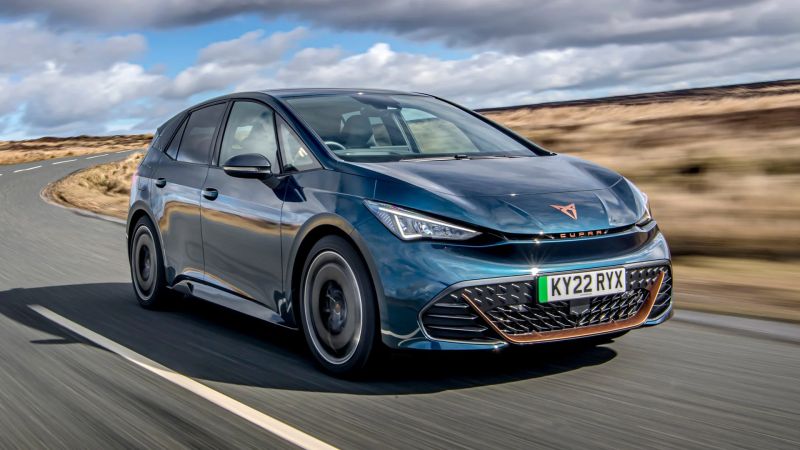
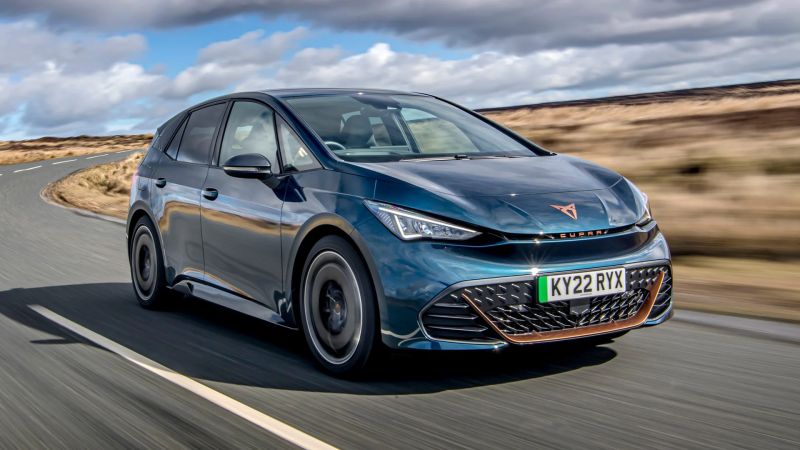
For example, the CUPRA Formentor is a performance-focused SUV, while the CUPRA Leon has a sportier hatchback and touring-style design. The CUPRA Ateca offers a different SUV configuration, and the CUPRA Born is an all-electric vehicle with its own specific components.
Even when two vehicles share certain design features, their replacement parts may not be interchangeable. Before searching for components, confirm whether your vehicle is a Formentor, Leon, Ateca or Born.
You should also check the exact variant, as different trims and engine options may use different specifications.
2. Check Your Vehicle's Manufacturing Year
The manufacturing year is another important detail when selecting replacement components. Vehicle manufacturers can introduce design changes, updated equipment and revised part specifications between production years.
For instance, a component designed for a 2022 CUPRA Formentor may not necessarily fit a 2024 model. Even if the vehicles look almost identical, small differences in mounting points, electrical connections or component dimensions can affect compatibility.
Always check the production year rather than relying only on the registration year. A vehicle registered in one year may have been manufactured earlier.
When browsing online collections, look for the model and year information provided in the product category. This helps narrow down the available options before checking the individual product specifications.
3. Use Your Vehicle Identification Number (VIN)
Your Vehicle Identification Number, commonly known as the VIN, is one of the most reliable ways to identify your vehicle's specifications.
The VIN is a unique 17-character identification code assigned to your vehicle. It contains information that can help identify the vehicle's manufacturer, model and production details.
You can generally find the VIN in the following locations:
- On the dashboard near the windscreen.
- On the vehicle's compliance plate or identification label.
- In your vehicle registration documents.
- Inside the owner's manual or service records.
Providing the VIN to a parts specialist or checking it through an appropriate vehicle identification system can help confirm the correct component specifications.
This is particularly useful when ordering technical components, electrical parts, sensors or replacement items that have several similar versions.
4. Check the Original Part Number
One of the most effective ways to identify a compatible replacement is by checking the original part number.
Most automotive components have a manufacturer-assigned identification number. This number helps distinguish between parts that may look similar but have different specifications.
If you are replacing an existing component, check the number printed, stamped or labelled on the original part. Compare it with the replacement product's listed part number before making a purchase.
For example, when ordering headlights, brake components, sensors or interior fittings, checking the part number can help reduce the possibility of selecting an incompatible item.
However, some manufacturers introduce updated or superseded part numbers. If the number does not match exactly, confirm with a knowledgeable parts supplier whether the newer reference is an approved replacement for your vehicle.
5. Understand the Differences Between Genuine and Aftermarket Parts
When searching for replacement components, you may come across both genuine and aftermarket options.
Genuine parts are manufactured or supplied through the vehicle manufacturer's parts network. Aftermarket parts are produced by independent manufacturers and may offer different designs, specifications and price points.
Both options can be suitable, depending on the component, manufacturer and intended application. However, it is important to check product quality, compatibility and specifications rather than making a decision based on price alone.
If you are considering Cupra aftermarket parts, review the product descriptions carefully and check whether the listed application matches your vehicle's model and manufacturing year.
For important mechanical, safety-related and electronic components, make sure the replacement meets the relevant vehicle requirements.
6. Browse Parts According to Your CUPRA Model
Shopping through model-specific collections can make it easier to narrow down suitable components. Instead of searching through a general catalogue, start with the collection that matches your vehicle.
Here are some examples of model-specific categories:
- CUPRA Formentor: Owners looking for Cupra Formentor parts can explore components listed for the 2022–2024 model range. Check the individual product details to confirm the correct fitment.
- CUPRA Leon: If you are upgrading the vehicle's exterior or replacing body components, explore the available Cupra Leon body kit collection and verify the relevant model specifications.
- CUPRA Ateca: Owners searching for an Cupra Ateca exhaust can browse the model-specific collection and check exhaust compatibility before ordering.
- CUPRA Born: When looking for Cupra Born engine oil, remember that the Born is an electric vehicle and does not use conventional engine oil. Its collection is better suited to checking other compatible vehicle components and accessories.
Selecting the correct model category is a useful starting point, but always confirm the specifications of the individual product before purchasing.
7. Compare Product Descriptions and Specifications
Product descriptions provide important information about the component you are considering. Before adding an item to your cart, review the available specifications and compare them with your existing vehicle component.
Pay attention to details such as:
- Compatible CUPRA model and production year.
- Original equipment or reference part numbers.
- Component dimensions and fitting requirements.
- Electrical connectors and mounting positions.
- Left-hand or right-hand side specifications.
- Engine or transmission compatibility, where applicable.
For example, headlights may have different versions depending on the vehicle's lighting system. Similarly, brake components can vary according to the model's braking configuration.
Do not assume that two products are interchangeable simply because they have similar photographs or descriptions.
8. Consider Your Vehicle's Engine and Equipment Configuration
The model and year alone may not always provide enough information to identify the correct replacement.
Some CUPRA models are available with different engine options, transmissions, braking systems and equipment packages. These variations can affect the type of component required.
For example, two CUPRA Formentor vehicles from the same production year may have different engine specifications. This could influence the compatibility of certain mechanical and performance-related components.
Electrical equipment can also vary depending on the vehicle's original factory configuration.
If you are unsure about the exact specification, refer to your service documentation or ask a parts specialist to verify the application using your VIN and original part number.
9. Ask for Assistance Before Placing Your Order
If you cannot confidently identify the correct component, contacting a parts supplier before purchasing is a sensible approach.
Provide as much information as possible, including your CUPRA model, manufacturing year, variant, VIN and the original part number if available. Clear photographs of the existing component may also help with identification.
A knowledgeable supplier can use these details to help determine whether the replacement is suitable for your vehicle.
This is especially important when purchasing expensive components, electronic modules, body panels or parts that require precise installation.
Find the Right CUPRA Parts with EPCC Parts
Finding suitable replacement components starts with understanding your vehicle's exact specifications. Checking the model, manufacturing year, VIN and original part number can help you make a more informed purchasing decision.
EPCC Parts provides an online catalogue featuring parts and accessories for CUPRA models, including the Formentor, Leon, Ateca and Born. Customers can browse model-specific collections and explore available components for different vehicle requirements.
Visit EPCC Parts to explore the available range of CUPRA components. Before placing an order, check the product information and confirm compatibility with your vehicle to help ensure you select the right part.
Source:
Click for the: Full Story
You might like