



 Close Menu
 World
World
 Biography
 Health
 Education
 Business
 Lifestyle
 Sports
 Technology
 Animals
 History
 Food
Food
 Religious
 Startups
 Movies
 Politics
 Fashion
 Covid
Covid
 Diet
Diet
 Fitness
 Marketing
 Travel
 Science
 Reviews
 Social media
 Stories
 Facts
Facts
 Art
Art
 Entertainment
Yaami Fertility

Health
ICSI Treatment for Males - Here Is What That Actually Means
 Yaami Fertility
Hearing a new medical term in the middle of your fertility journey can feel overwhelming. ICSI is one of those terms that sounds technical but is actually quite simple once it is explained properly.
If your doctor has recommended ICSI as part of your IVF cycle, this blog will help you understand exactly what it involves and why it might be the right choice for you.
What does ICSI mean?
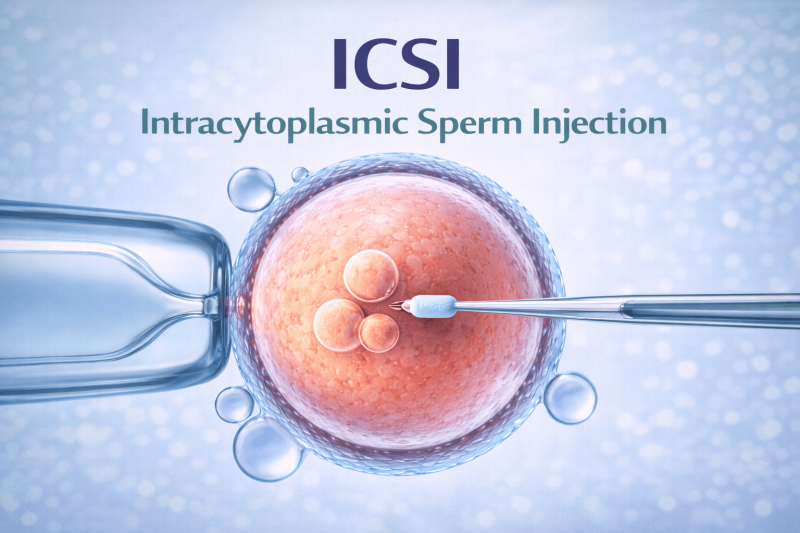
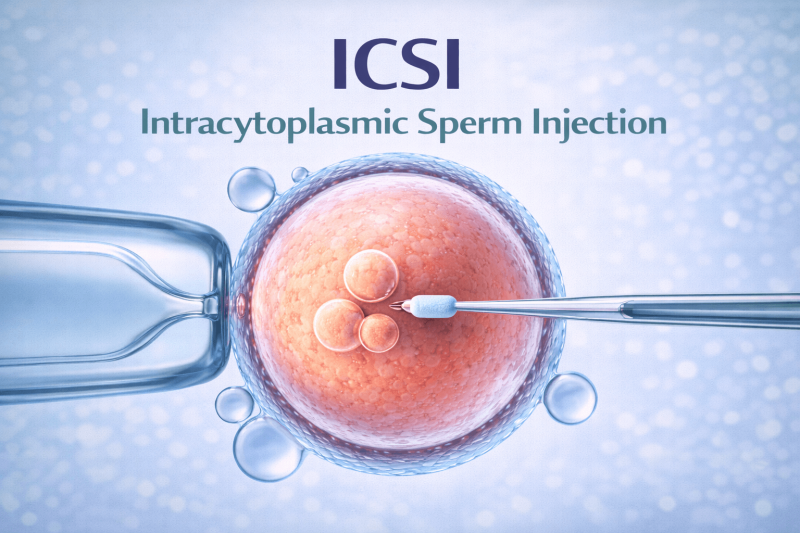
ICSI stands for Intracytoplasmic Sperm Injection. It is a technique used within IVF to help an egg get fertilised when there are challenges with the sperm.
Instead of letting the sperm find and enter the egg on its own, an embryologist selects one healthy sperm and gently injects it directly into the egg using a fine needle, all under a powerful microscope.
How is this different from regular IVF?
In a typical IVF cycle, eggs and sperm are placed together in a dish, and fertilisation happens by itself, much like it would inside the body.
With ICSI, that natural step is assisted directly. The embryologist takes over the final part of the journey for the sperm, placing it exactly where it needs to be.
ICSI is not a different treatment from IVF. It works alongside it, using the same process of egg collection, lab fertilisation, and embryo transfer.
Why might your doctor recommend this?
There are several reasons ICSI might be the right choice, including:
- A lower than average sperm count.
- Sperm that do not move well enough to reach the egg on their own.
- Sperm with an unusual shape, which can affect natural fertilisation.
- A previous IVF cycle where fertilisation did not occur as expected.
- Sperm collected through a minor surgical procedure.
- Limited sperm available from frozen storage.
- Treatment involving donor eggs, where maximising fertilisation matters even more.
None of these reasons reflect anything about you or your partner personally. They are simply medical factors that ICSI is designed to work around.
What does the process actually look like?
The beginning of your cycle stays the same as a regular IVF process. Here is what happens once ICSI comes in:
- Eggs are collected following hormone stimulation, just like in standard IVF.
- A sperm sample is collected, either fresh or from frozen storage.
- The embryology team carefully studies the sperm and chooses the healthiest one available.
- That single sperm is gently injected into each mature egg using a fine glass needle.
- The team monitors the eggs over the next several days as they grow into embryos.
- The healthiest embryo is later transferred into the uterus.
Does it really make a difference?
Yes, especially in cases involving sperm related challenges. ICSI significantly increases the chance of fertilisation happening in the lab, compared to leaving it to chance with standard IVF.
That said, fertilisation is only the first hurdle. Embryo growth and successful implantation still depend on other factors, including egg quality and the health of the uterine lining.
Is it safe for the baby?
Yes. ICSI has been used around the world for several decades and is supported by extensive research. Children born through ICSI are generally just as healthy as those born through standard IVF or natural conception.
Your fertility team will always consider your full medical picture before recommending this approach.
Will it cost more?
Usually, yes. ICSI requires specialised lab equipment and added time from the embryology team, so it typically comes with an additional cost compared to standard IVF. Ask your clinic for a transparent breakdown so you know exactly what to expect.
A note of reassurance
Needing ICSI does not mean something is fundamentally wrong. It simply means your treatment plan has been personalised to give you the best possible chance, based on your specific situation.
The skill and experience of the embryology team matters a great deal here. This is one of those moments where choosing the right clinic truly makes a difference.
Moving forward with confidence
ICSI has helped countless couples move past male fertility challenges and go on to have healthy pregnancies. It is a precise, well tested part of modern fertility care.
At the best IVF center in Indore, every ICSI procedure is carried out with precision and care by an experienced embryology team.
If you have questions about whether ICSI fits your treatment plan, an IVF specialist in Indore can walk you through it clearly.
Source:
Click for the: Full Story
You might like








You Might Like this