



 Close Menu
 World
World
 Biography
 Health
 Education
 Business
 Lifestyle
 Sports
 Technology
 Animals
 History
 Food
Food
 Religious
 Startups
 Movies
 Politics
 Fashion
 Covid
Covid
 Diet
Diet
 Fitness
 Marketing
 Travel
 Science
 Reviews
 Social media
 Stories
 Facts
Facts
 Art
Art
 Entertainment
Calvin Hart

Health
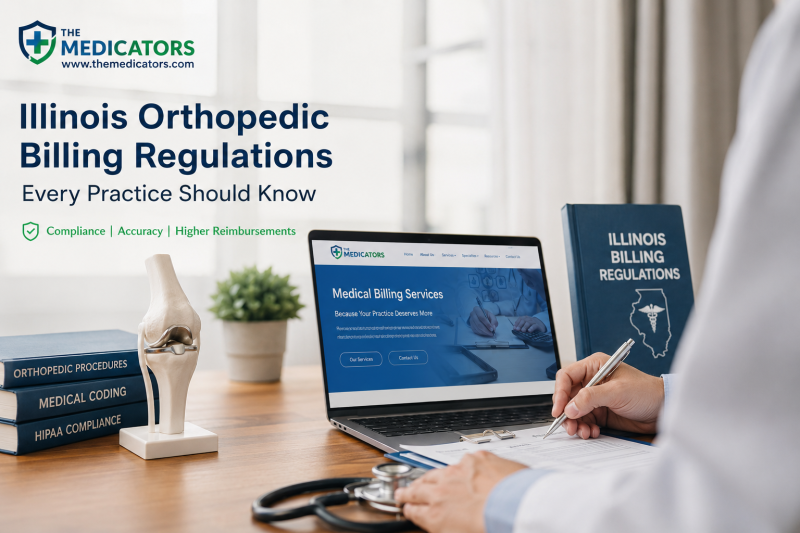
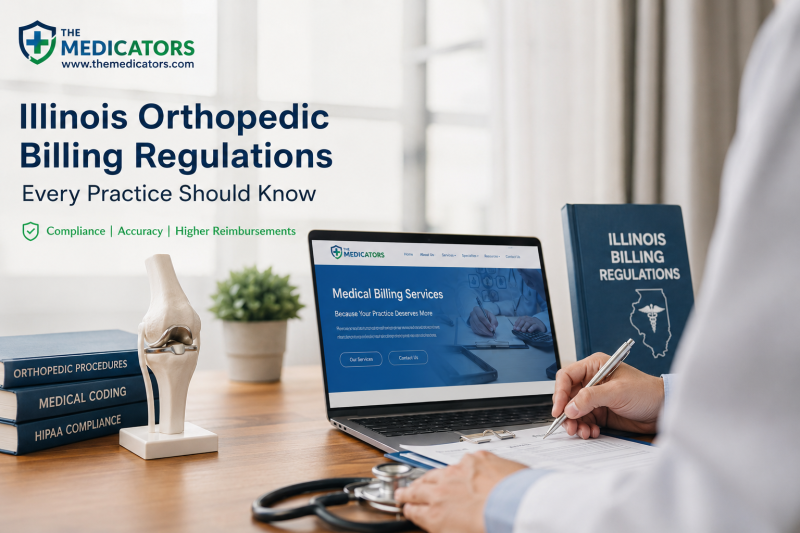
Illinois Orthopedic Billing Regulations Every Practice Should Know
 Calvin Hart
Orthopedic practices handle some of the most complex medical billing scenarios in healthcare. From surgeries and fracture care to joint injections and imaging services, every claim must meet strict coding, documentation, and payer requirements. Even small mistakes can lead to denied claims, delayed reimbursements, compliance risks, or costly audits.
For providers across Illinois, understanding Illinois Orthopedic Billing regulations is essential to maintaining a healthy revenue cycle. Whether your practice serves patients in Chicago, Springfield, Rockford, Naperville, or anywhere else in the state, staying compliant with both state and federal billing requirements helps protect your revenue while reducing administrative headaches.
This guide explains the most important billing regulations, coding standards, documentation requirements, and best practices every orthopedic practice should know.
Why Orthopedic Billing Compliance Matters in Illinois
Orthopedic billing involves a wide range of procedures that often require detailed documentation and specialized coding. Insurance companies carefully review these claims because orthopedic treatments typically involve higher reimbursement amounts.
When practices fail to comply with billing regulations, they may experience:
- Increased claim denials
- Payment delays
- Revenue loss
- Insurance audits
- Compliance investigations
- Higher administrative costs
Strong compliance processes not only improve reimbursement rates but also create smoother workflows for physicians, billing staff, and patients.
Understanding Illinois Orthopedic Billing Requirements
Healthcare providers in Illinois must comply with both state-specific regulations and nationwide healthcare requirements.
Key compliance areas include:
- Accurate patient documentation
- Proper CPT and ICD-10 coding
- Timely claim submission
- HIPAA compliance
- Medicare billing guidelines
- Illinois Medicaid billing policies
- Commercial payer requirements
- Medical necessity documentation
Every insurance payer may also have unique billing policies, making it important to verify requirements before services are provided.
Accurate Medical Coding Is the Foundation of Compliance
Coding accuracy directly affects reimbursement and compliance.
CPT Coding
Orthopedic procedures frequently involve:
- Joint replacements
- Arthroscopic surgery
- Fracture repairs
- Spinal procedures
- Tendon repairs
- Trigger point injections
- Casting and splinting
Each procedure must be reported using the correct CPT code.
ICD-10 Diagnosis Coding
Diagnosis codes should fully support medical necessity.
Examples include:
- Osteoarthritis
- Rotator cuff injuries
- ACL tears
- Meniscus injuries
- Fractures
- Degenerative disc disease
- Osteoporosis
Specific diagnosis coding reduces claim denials.
HCPCS Codes
Many orthopedic practices also bill for:
- Braces
- Durable Medical Equipment (DME)
- Orthotics
- Injectable medications
These services require appropriate HCPCS coding.
Modifier Usage
Incorrect modifiers remain one of the leading causes of denials.
Frequently used modifiers include:
- Modifier 25
- Modifier 57
- Modifier 59
- Modifier 24
- Modifier LT
- Modifier RT
- Modifier 50
Every modifier should accurately reflect the service provided and be supported by documentation.
Documentation Requirements
Strong documentation protects both reimbursement and compliance.
Documentation should include:
- Patient history
- Physical examination
- Diagnostic findings
- Imaging interpretation
- Treatment plan
- Surgical reports
- Procedure notes
- Follow-up care
- Medical necessity
Incomplete documentation can invalidate otherwise accurate claims.
Prior Authorization Requirements
Many orthopedic procedures require prior authorization before treatment begins.
Common examples include:
- MRI scans
- CT imaging
- Joint replacement surgery
- Spinal surgery
- Pain management procedures
- Advanced injections
- Durable Medical Equipment
Missing authorization often results in denied claims regardless of coding accuracy.
Medicare and Medicaid Considerations
Orthopedic practices serving Medicare and Illinois Medicaid beneficiaries should understand payer-specific policies.
Areas requiring special attention include:
- Coverage limitations
- Frequency restrictions
- Medical necessity requirements
- Surgical global periods
- Documentation expectations
- Modifier requirements
Failure to follow payer-specific rules can delay reimbursement.
Common Orthopedic Billing Mistakes
Many billing errors are entirely preventable.
Common mistakes include:
Incorrect Procedure Coding
Selecting outdated or inaccurate CPT codes frequently results in denials.
Missing Medical Necessity
Services must clearly demonstrate why treatment was medically necessary.
Duplicate Claims
Submitting duplicate claims may trigger payer reviews.
Incorrect Modifier Usage
Improper modifiers can reduce reimbursement or create compliance concerns.
Filing Claims Late
Each insurance company has timely filing deadlines.
Poor Documentation
If documentation cannot support the billed service, reimbursement may be denied.
Insurance Verification Best Practices
Effective verification begins before the patient arrives.
Best practices include:
- Confirm eligibility
- Verify active coverage
- Review benefits
- Confirm referral requirements
- Obtain authorizations
- Estimate patient responsibility
This proactive approach minimizes billing surprises and payment delays.
How Illinois Medical Billing Services Support Orthopedic Practices
Managing orthopedic billing internally can be challenging, especially as regulations and payer requirements continue to evolve.
Professional Illinois Medical Billing Services help practices by providing:
- Certified orthopedic coding expertise
- Accurate claim submission
- Denial management
- Revenue cycle optimization
- Compliance monitoring
- Insurance follow-up
- Payment posting
- Monthly reporting
- Billing audits
By outsourcing billing to experienced specialists, practices can spend less time managing administrative tasks and more time focusing on patient care.
Technology Improves Billing Compliance
Modern billing platforms help reduce human error while improving efficiency.
Useful technologies include:
- Electronic Health Record (EHR) integration
- Automated claim scrubbing
- Real-time eligibility verification
- AI-assisted coding tools
- Revenue cycle dashboards
- Electronic remittance processing
These tools support cleaner claims and faster reimbursements.
Best Practices for Illinois Orthopedic Practices
To maintain compliance and strengthen financial performance:
- Conduct regular coding audits.
- Stay current with payer policy updates.
- Train physicians and billing staff on documentation requirements.
- Monitor denial trends.
- Submit clean claims the first time.
- Verify insurance before every visit.
- Track key revenue cycle metrics.
- Review coding changes annually.
- Keep complete patient records.
- Partner with experienced billing professionals when needed.
Conclusion
Orthopedic billing requires far more than simply submitting claims. It demands accurate coding, detailed documentation, timely filing, payer-specific knowledge, and ongoing compliance with evolving regulations.
By understanding the core requirements of Illinois Orthopedic Billing, practices can reduce claim denials, improve reimbursement rates, and protect themselves from costly compliance issues. For many providers, partnering with experienced Illinois Medical Billing Services offers an efficient way to strengthen revenue cycle performance while ensuring billing accuracy and regulatory compliance.
Whether your practice is expanding, facing increasing claim denials, or looking to streamline operations, investing in compliant orthopedic billing processes can support long-term financial stability and allow your team to focus on delivering exceptional patient care.
Source:
Click for the: Full Story
You might like








You Might Like this