Close Menu
 World
World
 Biography
 Health
 Education
 Business
 Lifestyle
 Sports
 Technology
 Animals
 History
 Food
Food
 Religious
 Startups
 Movies
 Politics
 Fashion
 Covid
Covid
 Diet
Diet
 Fitness
 Marketing
 Travel
 Science
 Reviews
 Social media
 Stories
 Facts
Facts
 Art
Art
 Entertainment
Aleesha Ali

Sports
Kids Boxing Equipment Checklist for First-Time Training
 Aleesha Ali
Starting boxing can be an exciting way for children to develop coordination, discipline, movement skills, and confidence. But before the first training session, parents and beginners often wonder: What boxing equipment does a child actually need?
A complete kids boxing equipment setup does not have to be complicated. The right gear depends on the child's age, training environment, experience level, and whether they are practicing basic techniques, working on a heavy bag, attending boxing classes, or eventually participating in supervised sparring.
This kids boxing equipment checklist covers the essential training gear first-time young boxers may need, along with practical considerations for choosing each item.
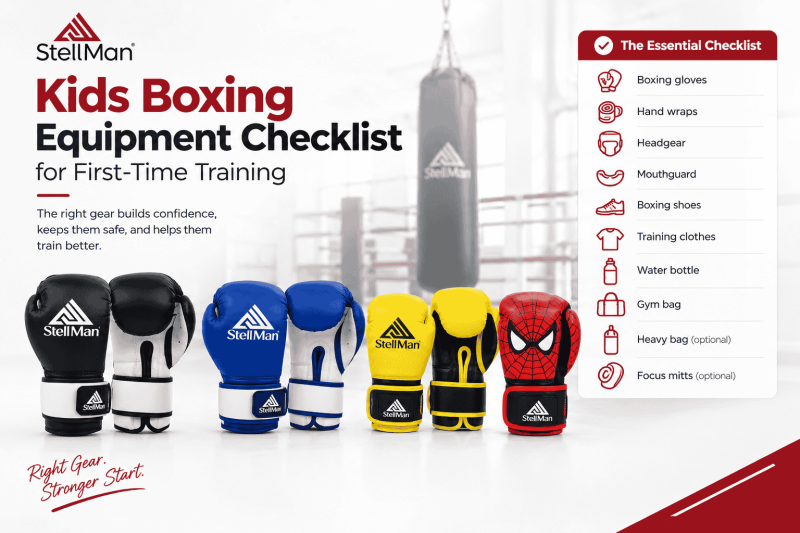
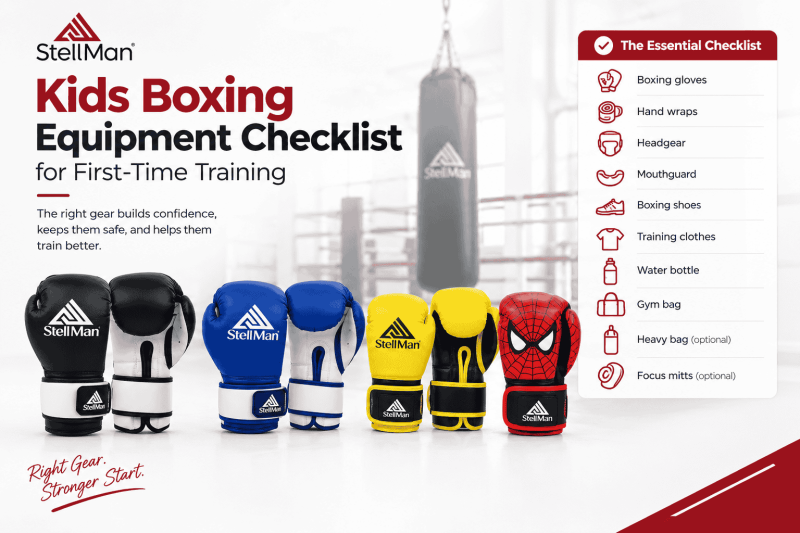
Kids Boxing Equipment Checklist at a Glance
For first-time training, the basic checklist can include:
- Kids boxing gloves
- Hand wraps
- Boxing headgear when required for supervised sparring
- Mouthguard for activities where it is appropriate
- Athletic clothing
- Boxing or training shoes
- Water bottle
- Gym bag
- Heavy bag or other training equipment for home practice, if appropriate
- Protective equipment required by the child's coach or training facility
Not every child needs every item immediately. Gloves and hand wraps are generally the starting point for basic boxing training, while additional protective equipment depends on the type of training being performed.
1. Kids Boxing Gloves
Boxing gloves are one of the first pieces of equipment to consider when a child begins boxing. They are used for activities such as pad work, bag training, and other supervised boxing exercises.
When choosing boxing gloves for kids, consider:
- Proper size and fit
- Appropriate weight for the child's size and training
- Comfortable wrist support
- Secure fastening
- Quality padding
- Breathable construction
- The type of training the child will perform
A glove should feel secure without being excessively tight. The child's hand should fit comfortably inside the glove while leaving enough room for properly wrapped hands.
Why Proper Glove Fit Matters
Choosing gloves simply because they look appealing is not enough. Oversized or poorly fitted gloves can feel uncomfortable and may make it harder for a beginner to develop proper technique.
Parents should also follow the recommendations of the child's boxing coach or training facility when selecting glove weight and type.
2. Hand Wraps
Hand wraps are another important part of a beginner's boxing equipment checklist.
They are worn underneath boxing gloves and help provide additional support around the hands and wrists during training. Learning to wrap the hands correctly is also an important part of developing good boxing habits.
For young beginners, look for:
- Comfortable material
- Suitable length
- Secure fastening
- Easy-to-use design
- A size appropriate for the child's hands
Children should learn proper hand-wrapping technique from a qualified coach rather than relying on an incorrect or overly tight wrap.
3. Boxing Headgear
Headgear may be required for certain forms of supervised boxing or sparring, depending on the gym's rules and the coach's training program.
For children who are not yet sparring, headgear may not be necessary for every basic training session. However, if a coach requires it, parents should select equipment that:
- Fits securely
- Provides clear visibility
- Allows comfortable movement
- Does not obstruct breathing
- Is appropriate for the child's size
Headgear should not be presented as eliminating the possibility of head injury. Parents should follow the training facility's safety requirements and the coach's guidance regarding when and how sparring equipment should be used.
4. Mouthguard
A mouthguard can be part of the equipment required for supervised contact or sparring activities. Whether a child needs one depends on the type of training and the rules of the boxing gym.
For young athletes, fit is particularly important. A mouthguard should be appropriate for the child's age and mouth size and should be used according to the manufacturer's instructions.
Parents should ask the child's coach about mouthguard requirements before purchasing one specifically for training.
5. Boxing Shoes or Suitable Training Shoes
Footwork is a fundamental part of boxing. A beginner needs footwear that allows them to move comfortably around the training area.
Depending on the gym, children may use boxing shoes or suitable athletic training shoes.
Look for footwear with:
- A secure fit
- Comfortable construction
- Adequate grip for the training surface
- Good freedom of movement
- Appropriate support
The exact shoe requirements can vary between boxing gyms, so checking with the coach before buying specialized boxing shoes can help avoid unnecessary purchases.
6. Comfortable Training Clothing
Boxing training involves movement, footwork, punching drills, and conditioning. Children should wear comfortable athletic clothing that allows unrestricted movement.
A basic training outfit may include:
- Lightweight T-shirt or training shirt
- Boxing or athletic shorts
- Comfortable socks
- Appropriate athletic footwear
Avoid clothing that is excessively loose, restrictive, or uncomfortable during movement.
The goal is simple: the child should be able to move, punch, bend, and perform footwork without their clothing becoming a distraction.
7. Water Bottle
Hydration is an easy item to overlook when preparing a child's boxing gym bag.
A reusable water bottle allows the child to have water available during breaks and after training. Parents should follow the coach's recommendations regarding hydration, particularly during longer or more physically demanding sessions.
8. Boxing Gym Bag
A dedicated gym bag can keep children's boxing equipment organized.
A basic boxing gym bag can hold:
- Boxing gloves
- Hand wraps
- Headgear
- Mouthguard case
- Training clothes
- Shoes
- Water bottle
- Small personal items
Keeping boxing equipment together also makes it easier to remember essential gear before each training session.
Kids Boxing Equipment for Home Training
Some parents also want to create a simple kids boxing training setup at home. The equipment required depends on the child's age, experience, available space, and the type of exercises recommended by their coach.
Possible training equipment can include:
- Boxing gloves
- Hand wraps
- Focus mitts
- A suitable punching bag
- Jump rope
- Training timer
- Floor space for footwork drills
However, home boxing equipment should be used appropriately and under suitable adult supervision. A punching bag, for example, should be securely installed and matched to the intended user and training environment.
Kids Boxing Equipment: Training vs. Sparring
One of the most important things for first-time buyers to understand is that training equipment and sparring equipment are not always the same.
General Training
Basic boxing classes may involve:
- Boxing gloves
- Hand wraps
- Athletic clothing
- Training shoes
- Water bottle
Bag and Pad Work
Training may additionally involve:
- Boxing gloves
- Hand wraps
- Heavy bag
- Focus mitts
- Appropriate training clothing
Supervised Sparring
A gym may require additional protective equipment, such as:
- Boxing gloves appropriate for sparring
- Hand wraps
- Headgear
- Mouthguard
- Other protective equipment specified by the coach
The coach or boxing facility should determine when a child is ready for particular training activities and what equipment is required.
How to Choose Boxing Equipment for a Child
Instead of buying every available piece of equipment, start with the gear that matches the child's actual training.
Consider these factors:
Age and Size
Children's equipment needs can differ considerably based on their size and stage of development.
Training Type
Equipment for beginner classes may differ from equipment used for bag work or supervised sparring.
Fit
Gloves, headgear, shoes, and other wearable equipment should fit properly and comfortably.
Coach Recommendations
A child's coach can provide specific guidance about glove weight, equipment requirements, and training progression.
Quality and Durability
Choose equipment designed for regular training rather than selecting products based solely on appearance or price.
Common Mistakes When Buying Kids Boxing Gear
Buying Gloves Without Checking the Fit
A glove that looks suitable may not fit the child's hand properly. Always consider sizing and the manufacturer's recommendations.
Purchasing Too Much Equipment Too Early
A beginner does not necessarily need a complete professional boxing setup on the first day. Start with the equipment required by the training program.
Ignoring Hand Wraps
Some beginners focus entirely on gloves and overlook hand wraps. Properly used hand wraps are an important part of many boxing training routines.
Choosing Equipment Based Only on Appearance
Bright colors and attractive designs can be appealing to children, but fit, construction, comfort, and suitability for the intended activity should come first.
Using Sparring Equipment Without Proper Guidance
Sparring should be conducted according to the rules and supervision of the child's boxing program. Parents should not assume that having protective equipment means a child is automatically ready for sparring.
Final Thoughts
Starting boxing does not require parents to purchase every piece of equipment at once. A practical kids boxing equipment checklist should begin with the gear required for the child's current training level, particularly properly fitted boxing gloves and hand wraps.
As training develops, additional equipment such as headgear, a mouthguard, specialized footwear, or home training equipment may become relevant. The child's coach and boxing facility should remain the primary source for activity-specific equipment and sparring requirements.
The most important approach is to choose age-appropriate, properly fitted equipment that matches the child's training activities rather than buying gear simply because it is marketed for young boxers.
Source:
Click for the: Full Story
You might like