


 Close Menu
 World
 Biography
 Health
 Education
 Business
 Lifestyle
 Sports
 Technology
 Animals
 History
 Food
 Religious
 Startups
 Movies
 Politics
 Fashion
 Covid
 Diet
 Fitness
 Marketing
 Travel
 Science
 Reviews
 Social media
 Stories
 Facts
 Art
 Entertainment
KP Automations

Business
KP AUTOMATIONS Pasta Machines: Planning a Commercial Long Pasta Production Line
 KP Automations
Long pasta products such as spaghetti, linguine, fettuccine, and tagliatelle require carefully coordinated manufacturing processes. For businesses entering the pasta industry or expanding their existing operations, choosing the right pasta machines is an important step toward building a reliable commercial production facility.
A successful plant requires more than an extrusion machine. Manufacturers must consider dough preparation, shaping, cutting, drying, product handling, packaging, and the expected production volume. Each stage needs to work with the others to support consistent output and efficient factory operations.
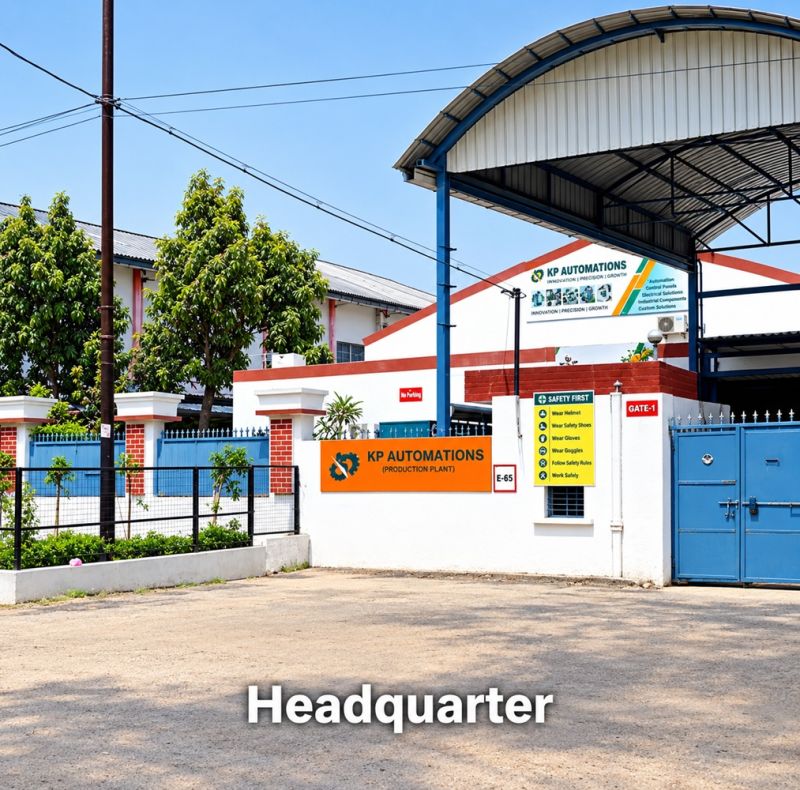
KP AUTOMATIONS provides pasta manufacturing equipment and production-line solutions for commercial and industrial applications. Its product portfolio includes long-cut pasta production systems, drying equipment, and related machinery for businesses planning new facilities or upgrading existing plants.
Understanding the Requirements of Long Pasta Manufacturing
Long pasta production has specific requirements because the product is formed into extended strands rather than short individual shapes. The manufacturing process must preserve strand dimensions and provide suitable handling throughout production and drying.
Before choosing machinery, manufacturers should define the pasta varieties they intend to produce, their target output, and the markets they plan to serve.
Important planning considerations include:
- Required pasta types and strand dimensions
- Target production capacity per hour
- Raw-material specifications
- Extrusion and cutting requirements
- Drying technology and available floor space
- Packaging formats and pack sizes
- Factory utilities and infrastructure
- Future expansion plans
A clear production brief gives the equipment supplier the information needed to recommend a suitable configuration.
What Is a Long Cut Pasta Production Line?
A long cut pasta production line is a coordinated arrangement of machinery designed to manufacture long pasta varieties such as spaghetti and other strand-shaped products.
Depending on the selected system, the line may include ingredient preparation, mixing, extrusion, strand formation, cutting, pre-drying, controlled drying, cooling, and downstream packaging.
The exact configuration depends on the product range, capacity, production method, and factory requirements.
A typical process may follow this sequence:
Raw Materials → Mixing → Extrusion → Strand Formation → Cutting → Pre-Drying → Main Drying → Cooling → Packaging
Each stage performs a distinct function. Mixing prepares the dough, extrusion forms the pasta, cutting establishes the required lengths, and drying helps bring the product to its intended finished moisture condition.
Manufacturers should evaluate the complete process rather than purchasing equipment based on extrusion capacity alone. If the drying section cannot handle the output of the production stage, the overall plant may not achieve its intended throughput.
Designing a Commercial Long Pasta Production Line
A commercial long pasta production line should be designed around the manufacturer's actual business requirements.
A small commercial producer may prioritize product flexibility and manageable investment, while a larger factory may focus on continuous operation, higher throughput, and integration with automated packaging equipment.
The line should be configured according to the products, capacity, utilities, and operating schedule.
Define the production target
Start by estimating the quantity of finished pasta required per hour, per shift, and per day. Consider planned cleaning, maintenance, product changeovers, and other periods when the machinery may not be producing saleable output.
The nominal capacity of a machine should not be treated as the same as the finished quantity that can be packed and dispatched over a full production day.
Select the product range
Different long pasta products may require different dies, strand dimensions, cutting arrangements, or handling procedures. Manufacturers should confirm that the proposed equipment can produce the intended varieties.
If the business plans to introduce additional shapes later, ask about compatible tooling, changeover requirements, and any limitations of the selected system.
Plan the factory layout
The physical arrangement of equipment affects material movement, maintenance access, operator safety, and the flow of pasta between production stages.
The layout should provide adequate space for raw materials, production equipment, drying systems, packaging materials, and finished goods. Electrical panels, motors, conveyors, and other components should remain accessible for inspection and servicing.
Planning these details before installation can reduce the need for costly changes later.
Choosing the Right Pasta Making Machine
The pasta making machine is central to the production process because it transforms prepared ingredients into the required pasta form.
When selecting equipment, manufacturers should evaluate the intended product range, capacity, control system, construction, and compatibility with downstream machinery.
Important questions include:
- What production capacity is required?
- Which long pasta varieties will be manufactured?
- What dies and cutting arrangements are available?
- How are production settings adjusted?
- What cleaning and maintenance procedures are recommended?
- What are the electrical and utility requirements?
- How will the machine connect with the drying section?
Manufacturers should request technical documentation for the specific model being considered. This makes it easier to compare equipment on a consistent basis and determine whether it meets the factory's requirements.
Why Drying Is Critical for Long Pasta
Drying is a major part of producing shelf-stable long pasta. After extrusion and cutting, the pasta must be dried under suitable conditions to achieve the intended final moisture level and product characteristics.
The drying process needs to be appropriate for the pasta type, strand dimensions, production rate, and selected processing method.
A properly specified drying system manages factors such as temperature, humidity, airflow, and residence time according to its design. Poorly matched drying conditions may affect product appearance, texture, breakage, and consistency.
For this reason, the dryer should be considered during the initial design of the production line, not added as an afterthought.
KP AUTOMATIONS offers drying-related equipment as part of its pasta machinery portfolio. Manufacturers can review its pasta drying system when assessing the requirements of a new or upgraded facility.
Before finalizing the equipment, confirm the expected throughput, drying configuration, utility requirements, and compatibility with the intended long pasta products.
Integrating Packaging With Production
Once pasta has reached the appropriate condition for packaging and has been cooled or handled as required, it must be transferred to the packing section.
The packaging arrangement depends on the product format and the intended sales channel. Retail brands may require consumer-sized pouches, while wholesale customers may prefer larger packs.
A compatible packing system can support weighing, filling, sealing, and finished-pack handling. However, the required equipment should be chosen according to the length and handling characteristics of the pasta.
Long strands may require a different feeding and packing arrangement from short-cut varieties. Manufacturers should verify that the selected machinery can handle their product without creating excessive breakage or restricting production flow.
Packaging throughput should also be compared with the practical output of the upstream production and drying sections. A balanced line can reduce product accumulation and help maintain a predictable workflow.
Selecting Pasta Machines for Different Production Scales
Not every manufacturer needs the same equipment configuration. The right choice depends on the scale of the business, the market it serves, and its expected growth.
New and small-scale commercial facilities
A new manufacturer may prioritize a manageable production capacity, a defined product range, and the ability to learn and refine operating procedures. The selected system should still include appropriate provisions for drying, handling, and packaging.
Growing pasta manufacturers
Businesses expanding their customer base may need additional capacity, more product varieties, or improved automation. Before upgrading, they should identify the existing bottleneck and determine whether it lies in extrusion, drying, cooling, packaging, or another part of the process.
Large industrial operations
High-volume facilities require coordinated equipment selection across the complete production line. Utilities, factory layout, product handling, maintenance access, and packaging throughput become increasingly important as production scales up.
In every case, the objective is to select equipment that matches actual requirements rather than purchasing unnecessary capacity.
What to Look for in Pasta Machine Manufacturers India
Comparing pasta machine manufacturers India requires evaluating more than the initial quotation. Buyers should assess the supplier's engineering capabilities, product range, technical documentation, and ability to support the intended application.
Consider the following factors when shortlisting a manufacturer.
Product and engineering experience
Ask whether the manufacturer can supply equipment suitable for the required pasta types and production capacity. Review the proposed process flow and confirm how each major stage will connect.
Technical specifications
The quotation should clearly state the model, capacity basis, included components, utility requirements, and any optional equipment. Buyers should verify all performance claims against their intended operating conditions.
Automation and controls
Control systems can help operators manage production settings and monitor the process. Ask which functions are automated and which operations still require manual intervention.
Construction and hygiene
Equipment used in food manufacturing should be appropriate for the intended food-contact application and cleaning procedures. Confirm the materials and construction details for the specific model.
Installation and after-sales support
Clarify the supplier's responsibilities for installation, commissioning, training, documentation, and technical assistance. Spare-parts availability and maintenance guidance are also important for long-term operation.
These checks help manufacturers make a more informed decision when comparing suppliers and planning a complete installation.
Preparing the Factory Before Installation
A well-designed production line can still face delays if the factory is not ready for installation. Infrastructure planning should therefore take place alongside equipment selection.
Review the following requirements before the machinery arrives:
- Available floor space and equipment access
- Electrical supply and distribution
- Water supply and quality
- Compressed air, where required
- Ventilation and environmental conditions
- Drainage and cleaning arrangements
- Raw-material storage
- Packaging-material storage
- Finished-product warehouse space
- Safe access for operators and maintenance teams
The factory layout should also support movement between the production area and finished-goods storage. Avoid placing equipment so close together that routine cleaning, inspection, or maintenance becomes difficult.
A documented installation plan helps coordinate the supplier, factory team, and other contractors involved in preparing the facility.
Improving Operational Consistency After Installation
Once the line is operational, manufacturers should establish standard operating procedures for routine production activities.
These procedures may cover ingredient preparation, machine settings, product changeovers, cleaning, inspection, drying records, packaging checks, and maintenance.
Operator training is particularly important when multiple pasta varieties are produced. Staff should understand the correct settings for each approved product and know how to recognize problems such as irregular strand formation, excessive breakage, or inconsistent finished-product characteristics.
Production records can help identify recurring issues and support continuous improvement. Manufacturers can review actual output, downtime, product waste, and quality results to determine where adjustments may be useful.
Equipment performance should be evaluated across the complete production process rather than by looking only at the output of one machine.
Planning for Future Business Growth
A production line should support the current business without unnecessarily restricting future development.
Manufacturers may eventually want to introduce new pasta varieties, increase output, add packaging formats, or extend operating hours. These plans should be considered when selecting the initial equipment configuration.
Discuss possible expansion options with the supplier, including additional tooling, downstream equipment, increased drying capacity, or supplementary packing machinery.
Not every plant needs to be built for maximum future capacity immediately. However, understanding the possible upgrade path can help businesses avoid making choices that unnecessarily limit their options.
KP AUTOMATIONS for Long Pasta Manufacturing Projects
KP AUTOMATIONS is an Indian manufacturer of pasta machinery serving commercial and industrial manufacturing requirements. Its product portfolio includes long-cut pasta production lines, pasta-making equipment, drying systems, and packaging-related machinery.
For businesses planning a new commercial long pasta production line, the key is to provide a clear technical brief that describes the required products, production capacity, factory infrastructure, and packaging needs.
With these details established, the equipment proposal can be assessed according to the actual manufacturing objective. Buyers should review the proposed process sequence, verify the capacity of each stage, and confirm the scope of installation and technical support before committing to a project.
Conclusion
Choosing the right pasta machines is an important part of establishing a dependable long pasta manufacturing operation. The production line should be planned around the intended products, realistic output targets, drying requirements, packaging arrangements, and available factory infrastructure.
A suitable long cut pasta production line connects the major processing stages into a coordinated system, while a well-planned commercial long pasta production line gives manufacturers a practical foundation for serving their target markets.
By evaluating the pasta production line as a complete process, selecting an appropriate pasta making machine, and carefully comparing pasta machine manufacturers India, businesses can make more informed equipment decisions.
KP AUTOMATIONS offers pasta machinery solutions for manufacturers developing or expanding their production capabilities. Careful planning, clear specifications, and suitable technical support can help establish a production facility designed for consistent operation and long-term commercial development.
Source:
Click for the: Full Story
You might like








You Might Like this