Close Menu
 World
World
 Biography
 Health
 Education
 Business
 Lifestyle
 Sports
 Technology
 Animals
 History
 Food
Food
 Religious
 Startups
 Movies
 Politics
 Fashion
 Covid
Covid
 Diet
Diet
 Fitness
 Marketing
 Travel
 Science
 Reviews
 Social media
 Stories
 Facts
Facts
 Art
Art
 Entertainment
sofy neuronimbus

Health
Menstrual Health Awareness: Breaking Barriers and Debunking Myths
 sofy neuronimbus
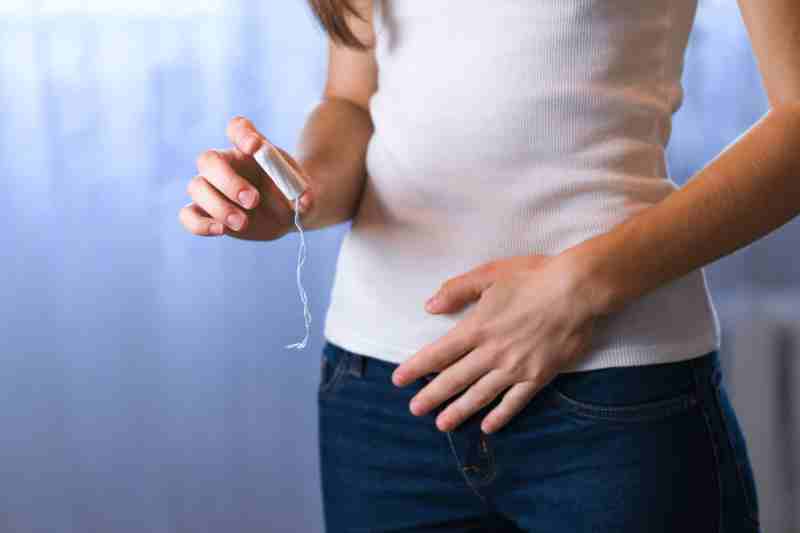
Menstruation is a natural biological process that nearly every woman experiences. Yet, across cultures and communities, it remains wrapped in misunderstanding, taboos, and misinformation. This makes menstrual health awareness essential — not just for girls and women, but for families, schools, and society at large. With proper awareness, menstruation can be approached with confidence, dignity, and knowledge instead of fear or embarrassment.
The article “Menstrual Health Awareness: Debunking 5 Weird Period Myths” highlights how myths about periods continue to affect women’s physical and emotional well-being. Here’s a deeper dive into why menstrual health awareness matters, what it entails, and how it can transform lives.
The Multidimensional Impact of Menstrual Awareness
True awareness involves understanding the biological, emotional, and social facets of the cycle. Here is why prioritizing this education is transformative:
1. The Foundation of Reproductive Health
The lack of accurate information isn't just a social inconvenience; it’s a health hazard. Without proper guidance, many individuals resort to using unsafe materials or practicing inadequate hygiene, which can lead to:
- Preventable Infections: Increased risks of Urinary Tract Infections (UTIs) and Bacterial Vaginosis.
- Long-term Complications: Chronic reproductive tract infections that can, in extreme cases, affect future fertility.
Awareness programs teach the "why" behind the "how"—explaining the science of the vaginal microbiome and the importance of using safe, breathable materials.
2. Dismantling Stigma Through Science
Cultural myths often paint menstruation as "impure" or "dirty." In some communities, this leads to the isolation of women or restrictions on their diet and movement.
- Fact over Folklore: Science tells us that menstrual blood is simply a mix of blood and uterine tissue—it is not toxic.
- Normalizing the Natural: By replacing superstition with evidence-based education, we empower girls to view their periods as a sign of a healthy, functioning body rather than a source of shame.
3. Mental Health and the Hormonal Landscape
The menstrual cycle is a complex chemical dance. Fluctuations in estrogen and progesterone don't just affect the uterus; they affect brain chemistry.
- Validating Experiences: Awareness helps individuals identify symptoms of PMS or the more severe PMDD (Premenstrual Dysphoric Disorder).
- Reducing Anxiety: When a young girl understands why she feels sudden fatigue or irritability, she can manage those symptoms with self-compassion instead of confusion or fear.
4. Education and Economic Empowerment
"Period poverty" and a lack of facilities often force girls to miss up to 20% of the school year. This cumulative loss of education directly impacts their future economic potential.
- Practical Solutions: Awareness drives the demand for better infrastructure, such as private toilets and disposal systems in schools and workplaces.
- Leveling the Playing Field: When menstruation is no longer a barrier to attendance, we move closer to true gender equity in the classroom and the boardroom.
Moving Forward: The Power of Inclusive Dialogue
The final barrier to break is the "silence." Menstrual health awareness should not happen in a vacuum. It requires the participation of men and boys to foster an environment of empathy rather than ridicule.
When fathers, brothers, and male teachers are educated about the menstrual cycle, the social safety net for women strengthens. We move from a culture of "hiding pads up sleeves" to one where menstrual health is discussed as naturally as nutrition or exercise.
Final Thoughts
Empowerment begins with an informed mind. By challenging the myths that have held us back and embracing a fact-based approach to menstrual health, we create a society where no one is limited by a natural bodily function. It is time to treat menstruation with the respect, science, and dignity it deserves.
Source:
Click for the: Full Story
You might like