Close Menu
 World
World
 Biography
 Health
 Education
 Business
 Lifestyle
 Sports
 Technology
 Animals
 History
 Food
Food
 Religious
 Startups
 Movies
 Politics
 Fashion
 Covid
Covid
 Diet
Diet
 Fitness
 Marketing
 Travel
 Science
 Reviews
 Social media
 Stories
 Facts
Facts
 Art
Art
 Entertainment
Manish Bandawal

Technology
Monetization Strategies for Fitness & Health Apps
 Manish Bandawal
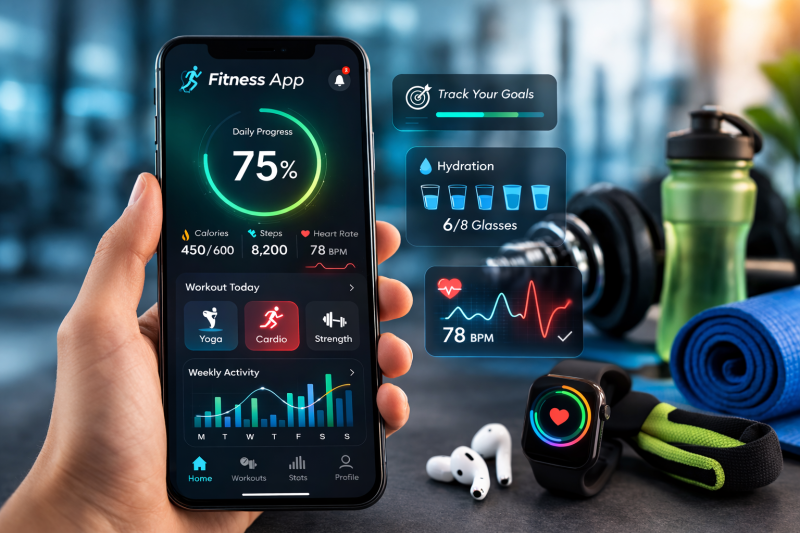
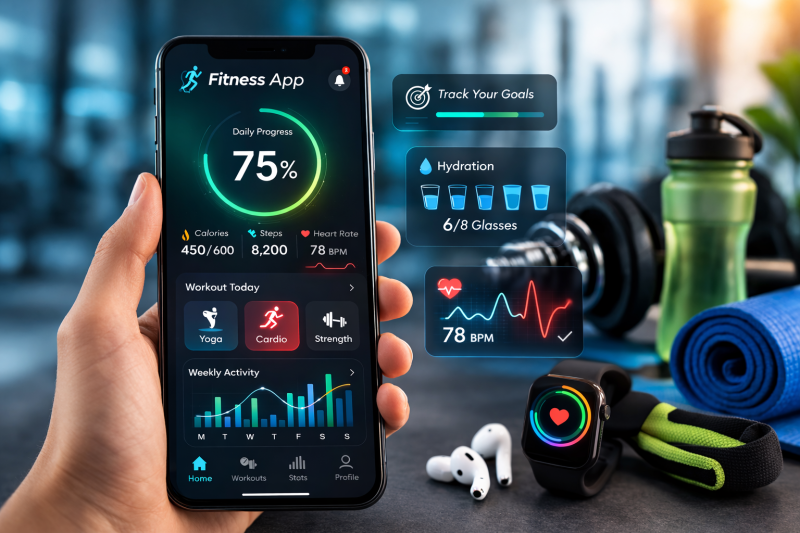
As we know, mobile phones have become a necessary part of our lives. Millions of users depend on mobile apps for our daily routine. lifestyle, entertainment, sports, gaming, travel, and many more things. With the help of mobile apps, we can easily manage our health and fitness activities like hydration level and blood pressure. diet and nutrition management, and more. However, developing a successful health and fitness mobile app is not just about design and functionality; it’s also about building a monetization strategy that generates consistent revenue while providing value to users.
If you’re working with a fitness app development company or planning to hire a fitness app developer, you’ll need to carefully consider your business model from the start. In this guide, we’ll explore the most effective monetization strategies, the costs involved, and the factors that can make or break your app’s profitability.
The Rising Demand for Fitness Apps
The increasing demand for health and fitness apps has skyrocketed in 2025. Users are seeking convenient, customized, and data-driven ways to stay fit and active, eat healthier, and track their progress. From yoga enthusiasts to professional athletes, whether they are yoga practitioners or pro athletes, fitness apps appeal to a wide range of consumers.
This flood in popularity means competition is high, but it also means there are millions of users ready to pay for high-quality solutions. That’s why knowing the right monetization strategy is critical for long-term user connectivity.
1. Choosing the Right Monetization Model for Fitness Apps
When planning fitness app development services, the monetization model you choose can define your growth potential. Below are the most common and profitable strategies:
A. Freemium ModelThe freemium model is one of the most popular monetization strategies for health and fitness apps. You offer a free version with basic features and reserve premium features for paying users.
Example:
- Free tier: Step counting, basic workouts, limited meal logging.
- Premium tier: Personalized training plans, advanced analytics, real-time health monitoring.
Why it works:
Users get to try your app before committing financially, which helps build trust. Over time, those who value the premium features are more likely to convert into paying customers.
B. Subscription PlansA subscription-based model offers recurring revenue, making it a preferred choice for many fitness app businesses.
Approach:
- Monthly, quarterly, or annual subscription plans.
- Exclusive content, real-time tracking, AI-powered recommendations.
Tip: Offer discounts on long-term plans to encourage retention and reduce churn rates.
C. In-App PurchasesThis strategy allows users to buy additional content or tools within the app.
Examples:
- Special workout programs.
- Nutrition guides.
- Fitness challenges or virtual event tickets.
This works well for apps that provide a wide range of optional value-added features.
D. AdvertisementsIntegrating ads can be profitable if your app has a large user base. However, they must be implemented carefully to avoid disrupting the user experience.
Best practices:
- Use relevant health and fitness brands.
- Avoid excessive pop-ups or irrelevant ads.
Collaborating with fitness brands, gyms, or health organizations can be a win-win. You can offer exclusive partner content or discounts, while brands get exposure to your audience.
F. Pay-Per-Download ModelAlthough less common in the fitness industry, this model involves charging a one-time fee for downloading the app. This works best for niche apps offering unique value without requiring ongoing updates.
2. Factors That Influence Fitness App Development Cost
When budgeting for your app, you must understand the Fitness App Development Cost depends on several factors:
- Features & Complexity—Basic step counters cost less than AI-powered fitness trackers.
- Platform Choice—iOS, Android, or both.
- Design Quality—An engaging, user-friendly interface takes more time and resources.
- Backend Infrastructure—Data storage, analytics, and integration with wearables add to the cost.
- Location of Development Team- A fitness app development company in USA will typically charge more than offshore developers.
3. Core Features for a Profitable Health & Fitness App
Whether you’re working with a health and fitness app development company or building in-house, your app must deliver value to users. Here are essential features:
- Personalized Workout Plans- AI-driven recommendations based on user goals.
- Progress Tracking – Charts, graphs, and milestones to keep users motivated.
- Real-Time Health Metrics – Heart rate, calories burned, steps taken.
- Nutrition & Meal Tracking – Calorie counts, diet suggestions.
- Community Features—Social sharing, fitness challenges, and leaderboards.
- Offline Mode—Allows users to access workouts without internet access.
4. Best Practices for Monetization Success
To maximize your app’s revenue potential, follow these strategies:
Prioritize User ExperienceEven the best monetization model will fail if users find the app frustrating. Ensure smooth navigation, fast loading times, and a clean design.
Offer a Clear Value PropositionCommunicate why your app is worth paying for. Highlight unique features that competitors lack.
Leverage Data AnalyticsTrack user behavior to identify popular features, churn points, and opportunities for upselling.
Incentivize EngagementReward users with badges, discounts, or free trials for consistent usage.
Test Different Pricing ModelsExperiment with various subscription tiers or pricing strategies to find the sweet spot.
5. Case Studies: Successful Fitness App Monetization
- MyFitnessPal Uses a freemium model with premium plans that include personalized meal plans and advanced analytics.
- Strava Monetizes through subscriptions, offering advanced performance analytics, training logs, and route planning.
- Calm While a wellness app, Calm uses a subscription model with added in-app purchases for specialized meditation packs.
These examples prove that a well-planned monetization model combined with top-quality fitness app development services can create sustainable revenue streams.
Conclusion
In the competitive market of healthcare and fitness apps, the latest design and unique and innovative features are not enough; you also need a monetization strategy that works. By combining user-focused features with revenue-making models like subscriptions, in-app purchases, and partnerships, you can develop an app that improves people’s lives as well as drives sustainable business growth.
If you hire a fitness app developer or invest with a well-established health and fitness app development company, the key is to integrate your monetization strategy from day one. With the right approach, your fitness app can thrive in 2025 and beyond.
Source:
Click for the: Full Story
You might like