Close Menu
 World
World
 Biography
 Health
 Education
 Business
 Lifestyle
 Sports
 Technology
 Animals
 History
 Food
Food
 Religious
 Startups
 Movies
 Politics
 Fashion
 Covid
Covid
 Diet
Diet
 Fitness
 Marketing
 Travel
 Science
 Reviews
 Social media
 Stories
 Facts
Facts
 Art
Art
 Entertainment
Robin Reed

Business
Moving to Chester? What the Local Property Market Says
 Robin Reed
If you are moving to Chester in 2026, the local property market tells a clear story of steady prices, selective buyers, and strong demand for well-presented, energy-efficient homes in good locations. For anyone considering a move, understanding these dynamics is essential, and it is one reason why many newcomers start by speaking to established Estate agents Chester to get a realistic picture of what is available and what it really costs.
Chester’s Price Landscape in 2026
Recent data shows that the median house price in Chester sits around £280,000 at the end of the first half of 2026, with just under 1,500 residential sales recorded over the previous year and modest year-on-year growth of around 2.2 per cent. Across the wider Cheshire West and Chester area, average prices are slightly lower, with official indices reporting figures in the region of £268,000 to £269,000 and annual growth of roughly 5.8 to 6.9 per cent depending on the measure used. This indicates a market that has remained resilient despite broader economic uncertainty, with prices holding firm rather than surging, and with local variation between neighbourhoods playing a significant role.
For people moving into Chester, this means that budgeting needs to be grounded in local evidence rather than national headlines. While some parts of the UK have seen sharper price swings, Chester’s market has been comparatively stable, which can be reassuring for buyers and renters looking for long-term value rather than short-term speculation.
Sales Activity and Market Balance
The number of homes sold in Chester in 2026 points to an active but balanced market. With around 1,486 sales in the latest twelve-month period, there is clearly ongoing demand, yet the pace of growth has been moderate rather than explosive. At the same time, local commentary highlights a gap between what sellers initially ask and what buyers are ultimately willing to pay, with some properties seeing noticeable reductions before agreeing a sale. This suggests that while demand is present, buyers are cautious, well informed, and unwilling to overpay for homes that do not meet their core requirements.
For those moving to Chester, the practical implication is that realistic pricing and strong presentation matter more than ever. Properties that are priced in line with recent sold evidence and that clearly deliver on features such as energy efficiency, practical space, and good location tend to attract the most interest and achieve smoother transactions.
What the Market Says About Location
Location remains one of the most powerful drivers of value in Chester. Areas with good school catchments, easy access to the city centre, and proximity to transport links for commuters travelling to Liverpool or Manchester continue to command strong interest. Village locations within Cheshire that offer a quieter environment while still being within easy reach of Chester are also popular, reflecting a broader trend towards lifestyle-driven moves among families and professionals.
The market data reinforces the idea that not all postcodes perform the same. While the city-wide median provides a useful benchmark, specific streets and neighbourhoods can sit noticeably above or below this level depending on amenities, character, and perceived desirability. For anyone relocating, this underlines the importance of looking beyond average prices and focusing on the micro-location that best fits work, school, and lifestyle needs.
Property Types and Buyer Priorities
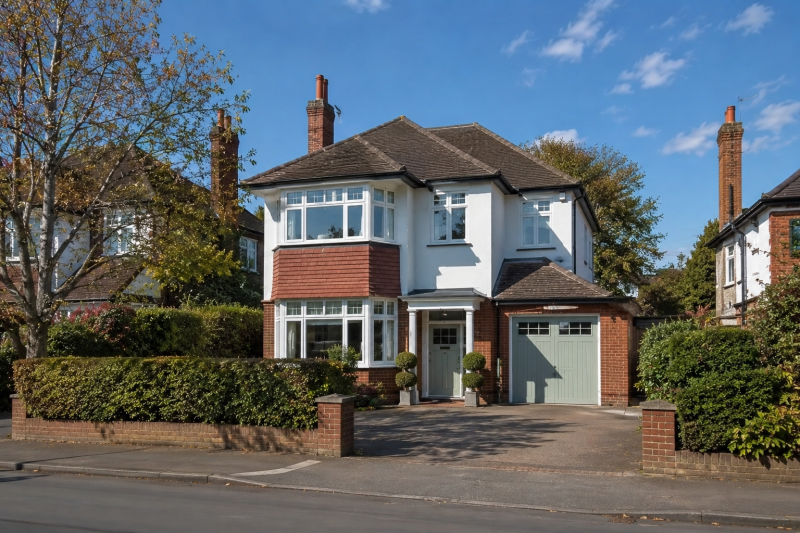
Chester’s mix of period terraces, semi-detached family homes, and newer developments means that different buyer groups are active in different segments. Families often prioritise gardens, parking, and flexible living space, while professionals may focus more on commute times and low running costs. Energy efficiency has become a central factor, with buyers paying close attention to EPC ratings, insulation, and heating systems when deciding which properties to pursue.
New-build homes in and around Chester typically carry a premium over older stock, reflecting modern specifications and lower immediate maintenance needs, but they also come with their own considerations around service charges and estate management. For those moving from larger cities, the combination of character properties, green space, and a more manageable scale is often a key attraction, and the market data shows that these qualities continue to support demand even when mortgage rates and wider economic conditions fluctuate.
Working With Local Expertise
Navigating these nuances effectively often comes down to local knowledge and access to up-to-date sold price data. The Estate agents Chester who specialise in the city and its surrounding villages understand which areas are seeing the most competition, what features different buyer groups value, and how to interpret price trends in a way that supports informed decisions. They can help newcomers align their budget with realistic options, identify locations that match their priorities, and avoid overpaying in a market where asking prices and achieved prices can diverge.
Brands such as A MOVE HOMES operate within this environment by combining local insight with a focus on what the 2026 market rewards, helping people moving to Chester make sense of the data and choose homes that offer both lifestyle value and long-term stability.
Conclusion
Moving to Chester in 2026 means entering a property market that is steady, selective, and driven by practical considerations such as location, energy efficiency, and usable space. Price data shows moderate growth and resilient demand, with median values around £280,000 in the city and slightly lower across the wider Cheshire West and Chester area. For anyone planning a move, the clearest signal from the market is the importance of realistic pricing, strong local knowledge, and a focus on long-term livability rather than short-term trends. Partnering with experienced Estate agents Chester ensures these insights are applied effectively, helping newcomers find homes that truly fit their needs and budgets.
Source:
Click for the: Full Story
You might like