



 Close Menu
 World
World
 Biography
 Health
 Education
 Business
 Lifestyle
 Sports
 Technology
 Animals
 History
 Food
Food
 Religious
 Startups
 Movies
 Politics
 Fashion
 Covid
Covid
 Diet
Diet
 Fitness
 Marketing
 Travel
 Science
 Reviews
 Social media
 Stories
 Facts
Facts
 Art
Art
 Entertainment
Gavin Allen

Technology
Navigating the World of Solar Off Grid Living
 Gavin Allen
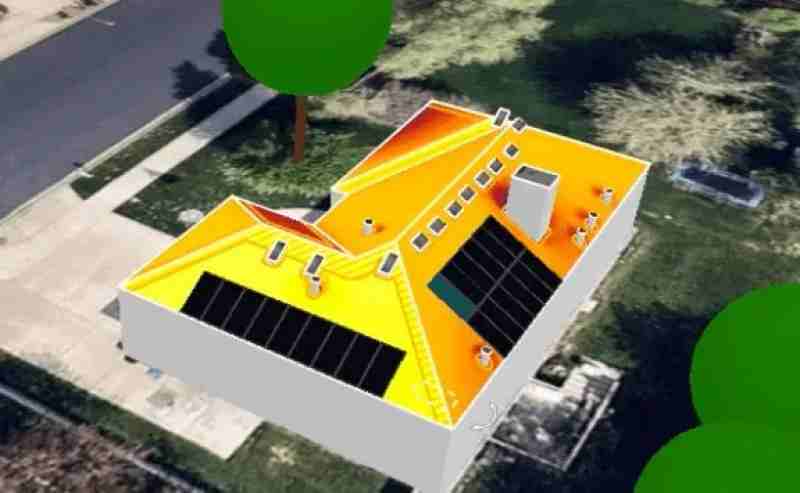
Living away from the hustle and bustle of the city often means leaving the convenience of the electrical grid behind. This transition requires a shift in how we think about energy production and consumption. Instead of relying on a utility company, you become your own power plant manager, responsible for every watt generated and stored.
Designing a Robust Off Grid Solar Array
The first step in any successful project is the design phase. You must calculate your total daily energy usage in kilowatt-hours to determine how many panels and batteries you need. A well-designed system will account for the "worst-case scenario," which usually occurs during the shortest days of winter when sunlight is most scarce.
Using a professional off grid solar approach ensures that your system remains operational even when the weather turns sour. High-efficiency panels and advanced tracking systems can help maximize the energy you capture during those precious hours of daylight.
Innovative Battery Technologies
The storage unit is where most people face challenges. Lead-acid options are common but lack the durability needed for serious long-term use. Nickel-Iron batteries, often called "Edison batteries," are legendary for their indestructible nature and ability to last for decades. On the other hand, lithium-based systems like the Sigenergy range offer high density and smart AI-driven management.
The Role of the Hybrid Inverter
The inverter is the brain of the operation. It manages the flow of electricity between the solar panels, the batteries, and your home appliances. Hybrid inverters are particularly useful because they can manage multiple power sources simultaneously. If your batteries get too low, the inverter can automatically start a backup generator to keep your critical loads running.
Engineering for Extreme Conditions
Remote sites often face harsh weather, from freezing winters to scorching summers. Your equipment must be rated to handle these extremes. Look for systems with IP66 ratings or militarized enclosures that protect sensitive electronics from dust, moisture, and temperature fluctuations. This level of protection ensures that your power remains stable regardless of the environment.
Many homeowners find that solar off grid kits provide the easiest path to success because they come pre-configured and tested. These "plug-and-play" solutions take the guesswork out of wiring complex components, making the installation process much faster and safer for the end user.
Scalability and Future Proofing
As your family grows or you add new appliances, your energy needs will inevitably change. A modular system allows you to add more battery modules or solar panels without having to replace your entire setup. This scalability is a key feature of modern energy storage solutions, providing a flexible path toward total energy autonomy.
Conclusion
Transitioning to an autonomous power system is an empowering journey that offers true freedom. By choosing industrial-grade components and a design that matches your specific needs, you can enjoy a reliable power supply for years to come. The future of energy is decentralized, and with the right tools, you can lead the way toward a more sustainable lifestyle.
Source:
Click for the: Full Story
You might like








You Might Like this