Close Menu
 World
World
 Biography
 Health
 Education
 Business
 Lifestyle
 Sports
 Technology
 Animals
 History
 Food
Food
 Religious
 Startups
 Movies
 Politics
 Fashion
 Covid
Covid
 Diet
Diet
 Fitness
 Marketing
 Travel
 Science
 Reviews
 Social media
 Stories
 Facts
Facts
 Art
Art
 Entertainment
R K Dewan
Business
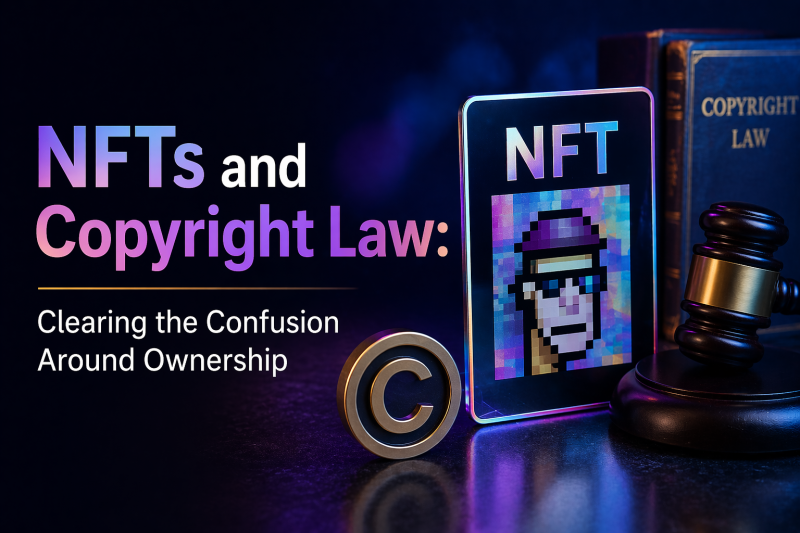
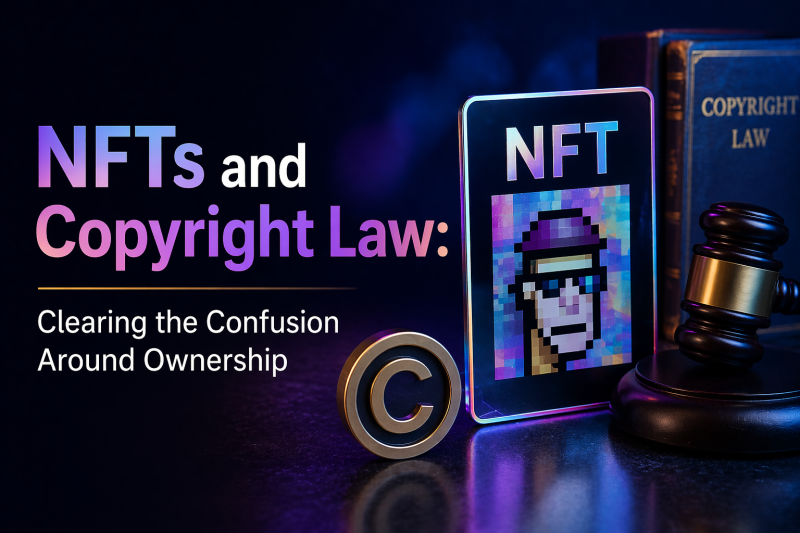
NFTs and Copyright Law: Clearing the Confusion Around Ownership
 R K Dewan
The rise of NFTs (Non-Fungible Tokens) has transformed how digital assets are bought, sold, and perceived. From digital art and music to virtual real estate, NFTs have created new opportunities—but also significant legal confusion. One of the most misunderstood areas is copyright ownership. Does buying an NFT mean owning the copyright? The short answer is no. In this blog, we break down the legal realities, common misconceptions, and how businesses and creators can protect their rights effectively.
What Is an NFT and What Do You Actually Own?
An NFT is a unique digital token stored on a blockchain that represents ownership of a specific asset. However, owning an NFT does not automatically grant you the copyright to the underlying work. In most cases, you are purchasing a token linked to a digital file, not the intellectual property rights associated with it.
This distinction is critical. Copyright includes rights such as reproduction, distribution, public display, and adaptation. Unless explicitly transferred through a legal agreement, these rights remain with the original creator.
The Biggest Misconception: Ownership vs Copyright
One of the biggest issues in the NFT ecosystem is the confusion between ownership of the token and ownership of copyright. Many buyers assume that purchasing an NFT gives them full rights to use the content commercially. This is rarely true.
For example, if you buy an NFT artwork, you may have the right to display it privately or resell it, but you typically cannot reproduce it on merchandise or use it for commercial gain unless permitted by the creator.
This is where copyright licensing for businesses becomes essential. Clear licensing terms can define what buyers can and cannot do with the NFT-linked content.
How Copyright Law Applies to NFTs
Copyright law applies to NFTs just as it does to traditional digital works. The creator of the original work holds copyright from the moment the work is created, provided it meets originality requirements.
NFT platforms do not automatically verify copyright ownership. This has led to widespread issues, including unauthorized minting of artworks by individuals who are not the original creators.
To address these challenges, creators and businesses must rely on digital copyright protection services to safeguard their work and enforce their rights in case of infringement.
Common Legal Issues in the NFT Space
1. Unauthorized Minting
Creators often find their work minted as NFTs without their permission. This raises serious concerns about enforcement and takedown mechanisms.
2. Lack of Clear Licensing Terms
Many NFTs are sold without clear terms, leading to disputes between buyers and creators.
3. Cross-Border Jurisdiction Challenges
NFT transactions occur globally, making enforcement of copyright laws across jurisdictions complex.
4. Smart Contract Limitations
While smart contracts can automate certain aspects, they do not replace legally binding agreements for copyright transfer or licensing.
Why Businesses Should Care About NFT Copyright Issues
NFTs are not limited to artists. Media companies, software developers, and brands are increasingly exploring NFTs for monetization and engagement. However, without proper legal frameworks, they risk infringement and financial loss.
For instance, copyright protection for software companies is crucial when tokenizing digital products or code-based assets. Similarly, copyright services for media companies help ensure that content distributed as NFTs is legally protected and monetized correctly.
Best Practices for NFT Creators and Buyers
For Creators:
- Clearly define licensing terms before minting NFTs
- Use legally enforceable agreements alongside smart contracts
- Register your copyright where applicable
- Monitor unauthorized use of your work
For Buyers:
- Always review the licensing terms attached to the NFT
- Do not assume commercial rights unless explicitly granted
- Verify the authenticity of the creator
- Seek legal advice for high-value transactions
The Role of Legal Experts in NFT Transactions
Given the complexity of NFTs and copyright law, professional guidance is essential. Working with top legal firms in Mumbai can help businesses and creators navigate licensing, enforcement, and compliance issues effectively.
Legal experts can assist with:
- Drafting licensing agreements
- Conducting IP due diligence
- Handling infringement disputes
- Structuring NFT transactions securely
The Future of NFTs and Copyright Law
As the NFT market matures, regulatory clarity is expected to improve. Governments and courts worldwide are beginning to address the gaps in existing laws.
We are likely to see:
- Standardized licensing frameworks
- Stronger platform accountability
- Enhanced enforcement mechanisms
- Integration of legal terms within blockchain systems
However, until these developments take shape, awareness and proactive legal protection remain the best defense.
Conclusion
NFTs offer exciting opportunities, but they also come with legal complexities that cannot be ignored. Understanding the difference between owning an NFT and owning copyright is crucial for avoiding disputes and maximizing value.
Whether you are a creator, investor, or business, leveraging digital copyright protection services, clear copyright licensing for businesses, and expert guidance from top legal firms in Mumbai can make all the difference.
If you are planning to enter the NFT space, now is the time to act smart and protect your intellectual property rights effectively.
Source:
Click for the: Full Story
You might like