Close Menu
 World
World
 Biography
 Health
 Education
 Business
 Lifestyle
 Sports
 Technology
 Animals
 History
 Food
Food
 Religious
 Startups
 Movies
 Politics
 Fashion
 Covid
Covid
 Diet
Diet
 Fitness
 Marketing
 Travel
 Science
 Reviews
 Social media
 Stories
 Facts
Facts
 Art
Art
 Entertainment
sofy neuronimbus

Health
Period Talk with Daughter: How to Make the Conversation Easier, Honest, and Helpful
 sofy neuronimbus
Starting a period talk with daughter can feel awkward for many parents. That’s normal. But avoiding the conversation usually makes things worse, not better. If your daughter learns about periods only through friends, social media, or random school gossip, she may end up confused, anxious, or embarrassed. A calm and honest conversation at home is usually the better move.
The good news is this: the talk does not need to be dramatic, overplanned, or “perfect.” It just needs to be clear, age-appropriate, and supportive. Sofy’s guide explains that talking openly about periods helps girls understand what is happening to their bodies, feel more confident, and build trust with their parents.
Why an Early Period Talk Matters More Than You Think
A lot of well-meaning parents wait too long because they assume school health classes will cover it, or they figure their daughter will ask when she is ready. But puberty does not wait for perfect timing. Many girls start noticing physical body changes long before they fully understand what is happening to them.
Early conversations do a few incredible things for your daughter:
- Normalizes Menstruation: It positions periods as a healthy, natural sign that her body is growing up, rather than something shameful or secret.
- Reduces Fear: Seeing blood for the first time without knowing why can be genuinely terrifying. Preparation replaces panic with peace of mind.
- Creates an Open Door: When you initiate this conversation, you show her that no topic is off-limits or too embarrassing to bring to you.
When to Start the Period Talk
Do not wait until her first period arrives to have "The Talk." That forces you both into a reactive, high-stress situation. Instead, the better approach is to start conversations before menstruation begins.
Puberty changes can begin anywhere between the ages of 8 and 10. This is often the ideal window to start introducing the concept.
Pro-Tip: This does not mean sitting a third-grader down for a heavy, one-hour biology lecture! It means starting small. Answer her questions as they come up naturally and build on the information as she matures.
How to Start the Conversation Without Making It Weird
The first mistake many parents make is treating the topic like a national emergency. If you are tense, she will be tense.
Try to choose a relaxed, private moment where your daughter already feels safe and unjudged. A quiet afternoon at home, a walk in the park, or even a casual car ride can work beautifully because you aren't forced to make intense eye contact. Keep your tone casual, warm, and steady.
Instead of launching into a rehearsed speech, try opening with curiosity:
- "Have you guys started learning about how the body changes in school yet?"
- "Have any of your friends started talking about periods?"
- "You’re growing up so fast! If you ever have questions about your body or how it works, you know you can always ask me, right?"
What to Actually Explain (Keep it Simple!
This is where parents tend to either over-explain complex biology or under-explain the basics. Tailor the conversation to her maturity level. At a fundamental level, your daughter should walk away understanding five key things:
1. What a period actually is
Explain that every month, a woman's body prepares for a potential baby by building up a soft lining in the uterus. When there is no baby, the body doesn't need that lining anymore, so it sheds it. That is what the bleeding is.
2. It is a sign of health
Frame it positively! A period is a wonderful sign that her body is healthy, growing, and functioning exactly the way nature intended.
3. When it might happen
Let her know it could start soon, or it might be a year or two away, and that both are completely normal.
4. What it feels like
Be honest. Let her know it doesn't usually hurt like a cut or an injury, but she might feel some cramping, aching, or wetness.
5. What products she can use
Introduce her to the physical tools she will use to manage it.
Let's Talk Logistics: Hygiene and Products
A useful period talk cannot stop at the biology. Vagueness creates anxiety, while practical information builds confidence.
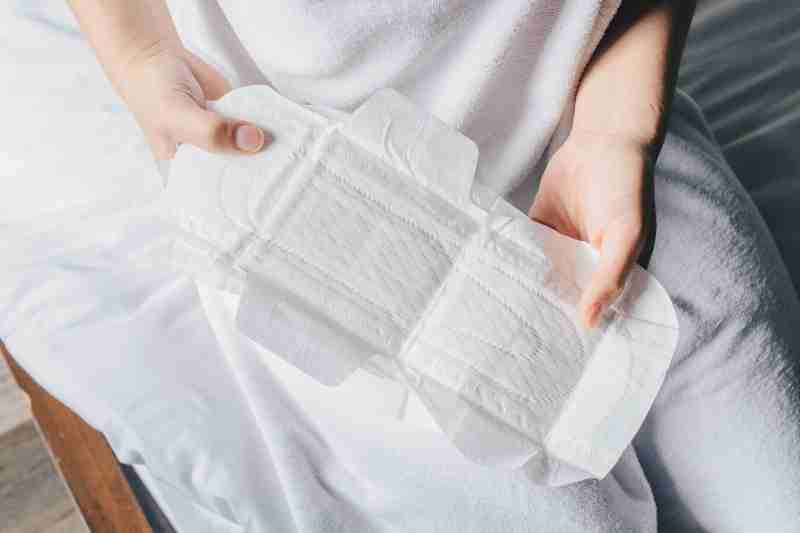
Take the time to show her actual menstrual products. Educational resources, like the guides and illustrations provided by Sofy, can be incredibly helpful visual aids for beginners.
Make sure to cover the physical "how-tos":
- Pads and Liners: Show her how to unwrap a sanitary pad, peel off the backing, and secure it to her underwear.
- Frequency: Explain that pads need to be changed every 4 to 6 hours (or sooner if heavy) to stay fresh and prevent leaks.
- Disposal: Teach her to roll up used pads in the wrapper or toilet paper and throw them in the bin—never flush them!
- The "Emergency Kit": Together, pack a small, discreet pouch for her school backpack containing a spare pair of underwear, a couple of pads, and some wet wipes. Knowing she is prepared for a surprise start at school will relieve a massive amount of anxiety.
Prepare Her for Emotional and Physical Changes
Periods are driven by hormones, and hormones affect more than just bleeding. Many young girls feel like something is wrong with them when they suddenly feel moody or exhausted.
Normalize these symptoms for her ahead of time:
- Cramps are real: Let her know that mild cramping in the tummy or lower back is common, and discuss safe ways to soothe them (like a warm bath or a heating pad).
- Emotions shift: Gently explain that she might feel a little more tearful, irritable, or tired than usual just before or during her period.
- Irregularity is normal: Reassure her that for the first year or two, her period might not come at the exact same time every month while her body finds its rhythm.
Final Thoughts: Kill the Shame Early
One of the biggest hurdles surrounding menstruation isn't the biology—it is the ancient social stigma. If we whisper, hide products up our sleeves, or treat periods like a dirty secret, we accidentally teach our daughters to be ashamed of their own bodies.
Speak about periods openly and without disgust. Remind her that literally half the world's population experiences this!
Do not dodge the topic because it feels a little awkward for you. That discomfort is yours to manage, not hers to inherit. By keeping the conversation honest, simple, and supportive, you are giving your daughter the ultimate gift: the confidence to navigate growing up without fear.
Source:
Click for the: Full Story
You might like