



 Close Menu
 World
World
 Biography
 Health
 Education
 Business
 Lifestyle
 Sports
 Technology
 Animals
 History
 Food
Food
 Religious
 Startups
 Movies
 Politics
 Fashion
 Covid
Covid
 Diet
Diet
 Fitness
 Marketing
 Travel
 Science
 Reviews
 Social media
 Stories
 Facts
Facts
 Art
Art
 Entertainment
sakshi JAIN

Sports
Ping Pong Table and Table Tennis Table Buying Guide: Sizes, Features, and Maintenance Tips
 sakshi JAIN
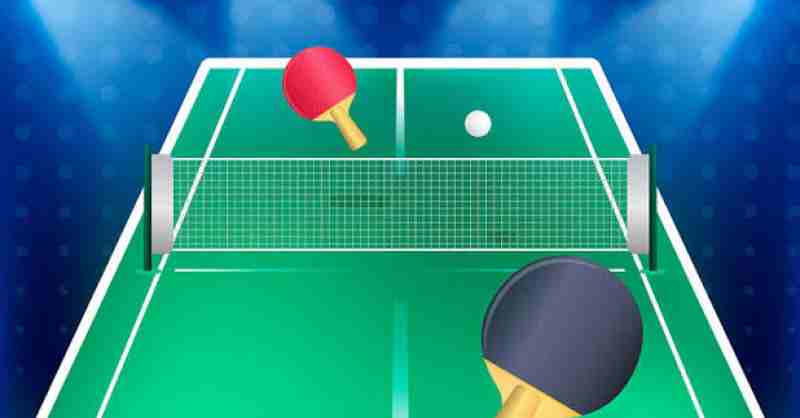
A Ping Pong Table is the most important piece of equipment in table tennis, influencing everything from ball bounce to player performance. Whether the table is intended for family recreation, school sports programs, club training, or tournament competition, selecting the right model can significantly improve the playing experience. The modern market offers a wide variety of indoor, outdoor, foldable, recreational, and professional options. Understanding table dimensions, construction materials, durability factors, and maintenance requirements helps buyers make practical decisions. A well-chosen Table Tennis Table provides consistent gameplay, long-term reliability, and excellent value for players of all skill levels.
What Is the Difference Between a Ping Pong Table and a Table Tennis Table?
Many people assume there is a technical difference between a Ping Pong Table and a Table Tennis Table, but both terms refer to the same piece of equipment. The name "ping pong" became popular because it mimics the sound made when the ball contacts the paddle and playing surface. Over time, "table tennis" became the official term adopted by international governing organizations and competitive leagues.
Manufacturers often use both names depending on their target audience. Recreational players are generally more familiar with the term ping pong table, while competitive athletes and clubs typically use table tennis table. Regardless of the terminology, official dimensions, net placement, and playing surface standards remain the same. Buyers should focus on construction quality, table thickness, and intended use rather than the product name when comparing options.
What Size Ping Pong Table Is Used in Tournaments?
Official tournament play requires a regulation-sized Table Tennis Table that complies with international standards. The table must measure 2.74 meters long, 1.525 meters wide, and 76 centimeters high from the floor to the playing surface. These measurements ensure consistent conditions across all sanctioned competitions.
The net assembly extends across the center of the table and stands 15.25 centimeters above the playing surface. Tournament tables also feature a low-glare finish to improve visibility and maintain consistent ball tracking. In addition to table dimensions, adequate playing space is essential. Competitive venues typically allow several meters of clearance around the table to accommodate player movement during rallies. Training on a regulation-sized table helps players develop proper positioning, timing, and shot accuracy.
Can a Ping Pong Table Be Folded and Stored Easily?
Many modern Ping Pong Table models include folding mechanisms that make storage significantly easier. This feature is especially valuable for homeowners, schools, and recreation centers where permanent floor space is unavailable. Most folding tables consist of two separate halves mounted on wheeled frames that can be raised vertically after use.
The primary benefits of foldable designs include:
- Reduced storage space requirements
- Easier transportation within buildings
- Playback mode for solo practice sessions
- Improved safety through wheel-locking systems
Before purchasing a foldable table, buyers should check the folded dimensions and ensure sufficient storage space is available. High-quality locking mechanisms and sturdy support frames are also important because they contribute to stability during gameplay and safe handling during storage.
How Do I Choose the Right Table Tennis Table?
Selecting the right Table Tennis Table depends on several practical considerations, including skill level, available space, frequency of use, and budget. One of the most important specifications is tabletop thickness because it directly influences bounce quality. Thicker surfaces generally provide more consistent and predictable ball response.
Common thickness categories include:
- 12 mm to 15 mm for casual recreational play
- 16 mm to 19 mm for regular practice and club use
- 22 mm to 25 mm for advanced training and tournaments
Indoor tables usually offer superior playing characteristics because they use engineered wood surfaces optimized for ball bounce. Outdoor models use weather-resistant composite materials designed to withstand environmental exposure. Many buyers compare specifications and construction details through suppliers such as World of Table Tennis when evaluating long-term performance and value. Frame strength, wheel quality, and warranty coverage should also be considered before making a purchase.
How Durable Are Outdoor Table Tennis Tables?
Outdoor tables are designed to perform reliably under changing weather conditions. Unlike indoor tables, they use specialized materials that resist moisture, sunlight, and temperature fluctuations. Most outdoor models feature aluminum composite or polymer playing surfaces that are less likely to warp when exposed to humidity.
Durability is influenced by both surface construction and frame quality. Premium outdoor tables often use powder-coated steel frames that resist rust and corrosion. UV-resistant coatings protect the playing surface from fading and deterioration caused by prolonged sun exposure. These features allow outdoor tables to remain functional for many years with proper care.
Although outdoor models are built for weather resistance, protective covers are still recommended. Covers reduce exposure to rain, dust, leaves, and other environmental contaminants. Routine inspections of wheels, bolts, and support structures can also help identify wear before it affects performance.
What Is the Difference Between Professional and Recreational Table Tennis Tables?
Professional and recreational tables differ primarily in their construction quality and playing performance. Professional models are built to meet strict competition standards and provide highly consistent bounce characteristics across the entire playing surface. They typically feature thicker tabletops ranging from 22 mm to 25 mm.
Recreational tables focus on affordability and convenience. These models often use thinner surfaces and lighter frames, making them easier to move and store. While they are suitable for family entertainment and beginner practice, they may not deliver the precision required for advanced training.
Professional tables also incorporate stronger support structures, improved leveling systems, and tighter manufacturing tolerances. Players who practice regularly benefit from the enhanced consistency because it allows more accurate development of spin, placement, and control techniques during training sessions.
How Do You Clean and Maintain a Table Tennis Table?
Proper maintenance is essential for preserving the appearance and performance of a Table Tennis Table. Dust, dirt, and moisture can gradually affect ball bounce and surface quality if regular cleaning is neglected. A simple maintenance routine helps extend the lifespan of the equipment while maintaining consistent playing conditions.
Recommended maintenance practices include:
- Wiping the surface with a soft microfiber cloth
- Removing dust after each playing session
- Using only approved cleaning products
- Checking wheels, hinges, and locks periodically
- Storing the table in a dry environment
Harsh chemicals and abrasive cleaning tools should be avoided because they may damage the playing surface. Net assemblies should also be inspected regularly to ensure proper tension and alignment. Consistent care helps protect the investment and ensures reliable performance over time.
Conclusion
A Ping Pong Table and a Table Tennis Table are the same essential piece of sports equipment, but selecting the right model requires careful consideration of size, construction quality, storage features, and intended use. Regulation tournament tables follow strict international measurements, while recreational and outdoor models provide flexibility for different environments. Foldable designs help maximize available space, and tabletop thickness plays a major role in bounce consistency and overall performance. Outdoor tables offer impressive durability when manufactured with weather-resistant materials and maintained properly. Understanding the differences between professional and recreational models helps buyers choose equipment that matches their goals. Regular cleaning and proper storage ensure long-lasting performance and an enjoyable playing experience for years to come.
Source:
Click for the: Full Story
You might like








You Might Like this