


 Close Menu
 World
 Biography
 Health
 Education
 Business
 Lifestyle
 Sports
 Technology
 Animals
 History
 Food
 Religious
 Startups
 Movies
 Politics
 Fashion
 Covid
 Diet
 Fitness
 Marketing
 Travel
 Science
 Reviews
 Social media
 Stories
 Facts
 Art
 Entertainment
Adam John

Business
Portable Carports: Benefits, Types, Uses, and How to Choose the Best One
 Adam John
Introduction
Protecting your vehicle from harsh weather, sunlight, rain, hail, and falling debris is essential for maintaining its appearance and condition. However, not every property has enough space or budget for a permanent garage. This is where portable carports offer a practical and affordable solution. Designed for flexibility and convenience, portable carports provide reliable vehicle protection without requiring the same level of construction as traditional garages.
Whether you need shelter for a car, truck, SUV, boat, caravan, or recreational vehicle, a portable carport can provide valuable protection while making better use of your outdoor space. With different sizes, materials, roof styles, and configurations available, homeowners and property owners can find an option that suits their needs.
In this guide, we explore the benefits, types, applications, and important considerations when choosing a portable carport.
What Is a Portable Carport?
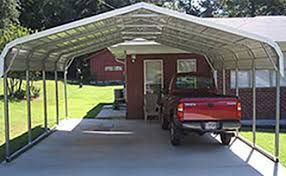
A portable carport is a movable or temporary outdoor shelter designed to protect vehicles and other valuable equipment from environmental conditions. Unlike conventional garages or permanently constructed carports, portable structures can generally be assembled, dismantled, relocated, or stored when they are no longer needed.
Most portable carports feature a supporting frame made from steel or aluminium, combined with a protective roof covering. Depending on the design, some models include side panels or additional enclosure options for improved weather protection.
Portable carports are available in various dimensions, making them suitable for single vehicles, multiple cars, agricultural equipment, motorcycles, and larger recreational vehicles.
Key Benefits of Portable Carports
1. Affordable Vehicle Protection
One of the biggest advantages of portable carports is their affordability. Building a permanent garage can involve substantial expenses, including materials, labour, foundations, and construction work.
Portable alternatives provide a more budget-friendly way to create covered parking without investing in a fully enclosed building. They are particularly useful for homeowners who need additional vehicle protection but want to avoid major construction costs.
2. Flexible and Relocatable Design
Flexibility makes portable carports an attractive choice for residential and commercial properties. If you move house, reorganise your outdoor area, or change your parking requirements, many portable models can be dismantled and relocated.
This makes them suitable for renters, temporary worksites, seasonal applications, and properties where permanent construction is not practical.
3. Protection From Harsh Weather
Vehicles regularly exposed to outdoor conditions can experience fading paintwork, damaged interiors, and premature deterioration.
A portable carport provides overhead protection against:
- Intense sunlight and UV exposure.
- Rain and moisture.
- Hail and falling debris, depending on the covering.
- Bird droppings and tree sap.
- Snow accumulation, where the structure is appropriately rated.
Although portable carports offer useful weather protection, their resistance to severe storms, heavy snow, and strong winds depends on their engineering, materials, anchoring, and installation.
4. Quick and Convenient Installation
Many portable carports are supplied as kits with pre-manufactured components and assembly instructions. This can make installation quicker and simpler than constructing a permanent garage.
Some smaller models are suitable for DIY assembly, while larger steel structures may require professional installation to ensure proper stability and safety.
5. Versatile Outdoor Storage
Portable carports are not limited to vehicle parking. Their covered space can also be used for storing garden equipment, bicycles, motorcycles, trailers, outdoor furniture, and machinery.
With suitable dimensions and enclosure options, they can also provide temporary covered areas for workshops, outdoor projects, and recreational activities.
Popular Types of Portable Carports
Choosing the right design depends on your available space, vehicle dimensions, budget, and intended use.
1. Steel Portable Carports
Steel portable carports are popular because of their strength, durability, and structural stability. Galvanised steel frames can offer improved resistance to corrosion, making them suitable for many outdoor environments.
They are commonly used for residential parking, equipment storage, and commercial applications. Selecting an appropriately engineered frame and protective finish is essential for long-term performance.
2. Fabric Portable Carports
Fabric carports feature lightweight frames covered with weather-resistant materials such as polyethylene or PVC.
They are generally easy to assemble and relocate, making them suitable for temporary parking and seasonal storage. However, fabric quality, UV resistance, waterproofing, and wind ratings should be carefully checked before purchasing.
3. Aluminium Portable Carports
Aluminium models offer a lightweight alternative to steel structures. Aluminium naturally resists corrosion and is relatively easy to handle during assembly and relocation.
These carports can be useful for homeowners seeking a lightweight shelter with minimal maintenance requirements.
4. Pop-Up Carports
Pop-up carports are designed for convenience and temporary use. Their folding frames allow relatively quick setup and dismantling.
They are often used for outdoor events, temporary vehicle coverage, markets, and recreational activities. However, they may not provide the same structural strength as permanent or heavy-duty portable carports.
How to Choose the Best Portable Carport
Before purchasing a portable carport, consider the following factors.
Size and Dimensions: Measure your vehicle's length, width, and height. Allow additional clearance for opening doors, accessing the boot, and moving comfortably around the vehicle. If you plan to store multiple vehicles, choose a wider structure.
Frame Material: Steel provides strength and durability, while aluminium offers lightweight construction and corrosion resistance. Your choice should depend on environmental conditions and intended use.
Roof Material: Look for UV-resistant, waterproof, and durable roofing materials. The covering should be appropriate for the weather conditions in your area.
Wind and Weather Ratings: Check the manufacturer's specifications for wind resistance, snow loads, and other environmental ratings. Proper anchoring and installation are essential for stability.
Installation Requirements: Consider whether the carport requires concrete footings, ground anchors, specialised tools, or professional installation.
Budget and Maintenance: Compare the initial purchase price with expected maintenance, replacement covering costs, and long-term durability.
Where Can You Use Portable Carports?
Portable carports are suitable for various residential, commercial, and agricultural applications.
- Residential properties: Create additional covered parking for cars, SUVs, motorcycles, and family vehicles.
- Farms and rural properties: Provide temporary shelter for tractors, trailers, and smaller agricultural equipment.
- Commercial premises: Offer additional covered parking for employees, customers, and business vehicles.
- Construction sites: Protect vehicles, tools, and selected equipment from everyday weather exposure.
- Recreational properties: Create covered storage for boats, caravans, campers, and outdoor equipment.
Their adaptable design makes them useful wherever additional covered space is required.
Portable Carports vs Permanent Carports
Portable and permanent carports serve similar purposes, but their features differ.
Permanent carports are generally designed for long-term installation and may offer stronger structural specifications, integrated roofing, and greater design flexibility. They are suitable for homeowners seeking a lasting outdoor parking solution.
Portable carports, on the other hand, prioritise convenience, flexibility, and easier relocation. They are particularly suitable for temporary requirements, changing property layouts, and situations where permanent construction is not desirable.
The right choice depends on your long-term plans, property conditions, local regulations, and available budget.
Maintenance Tips for Long-Lasting Performance
Regular maintenance helps extend the lifespan of a portable carport.
- Inspect the frame, joints, fasteners, and connections periodically.
- Check roof coverings for tears, leaks, and signs of deterioration.
- Clean accumulated leaves, dirt, and debris from the roof.
- Ensure anchors and ground connections remain secure.
- Check for corrosion, particularly around joints and exposed metal surfaces.
- Remove or secure the covering during severe weather if recommended by the manufacturer.
Always follow the manufacturer's maintenance and weather-related safety instructions.
Frequently Asked Questions
1. Are portable carports worth buying?
Yes. Portable carports can provide affordable vehicle protection, flexible parking, and additional outdoor storage without the expense of constructing a permanent garage.
2. Can portable carports withstand strong winds?
Some heavy-duty models are engineered for specific wind conditions. However, performance depends on frame strength, anchoring, installation, and manufacturer specifications.
3. Do portable carports require a building permit?
Permit requirements vary according to location, structure size, installation duration, and local building regulations. Check with your local council or relevant building authority before installation.
4. Can I use a portable carport for boats and caravans?
Yes. Larger portable carports can accommodate boats, caravans, trailers, and recreational vehicles, provided their height and dimensions are suitable.
5. How long do portable carports last?
Their lifespan depends on frame material, roof-covering quality, environmental conditions, installation, and maintenance. High-quality materials and regular inspections can help improve longevity.
Conclusion
Portable carports offer a convenient, flexible, and cost-effective way to protect vehicles, equipment, and outdoor belongings. From lightweight fabric shelters to durable steel and aluminium designs, there are options available for different properties, budgets, and storage requirements.
By considering the structure's dimensions, materials, weather resistance, anchoring system, and maintenance requirements, you can select a portable carport that delivers practical value and dependable protection. Whether you need temporary parking or additional covered storage, investing in the right portable carport can make your outdoor space more functional and organised.
Source:
Click for the: Full Story
You might like







You Might Like this