


 Close Menu
 World
World
 Biography
 Health
 Education
 Business
 Lifestyle
 Sports
 Technology
 Animals
 History
 Food
Food
 Religious
 Startups
 Movies
 Politics
 Fashion
 Covid
Covid
 Diet
Diet
 Fitness
 Marketing
 Travel
 Science
 Reviews
 Social media
 Stories
 Facts
Facts
 Art
Art
 Entertainment
Ai agent
Technology
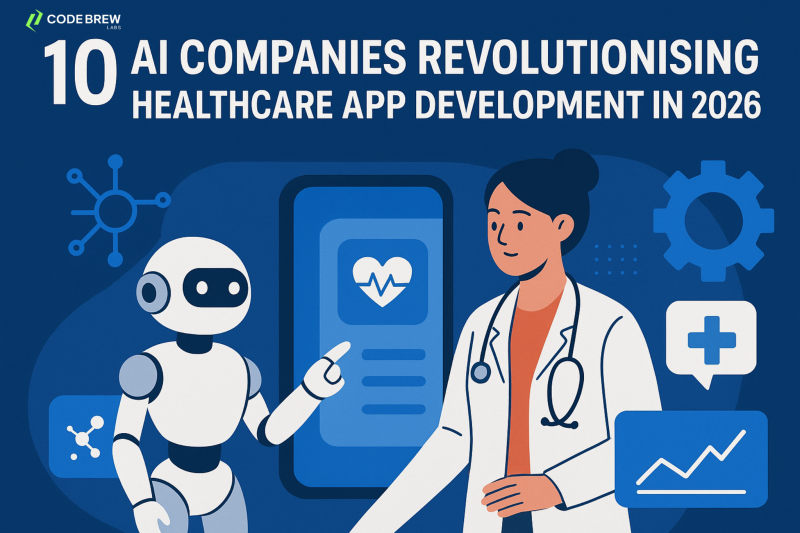
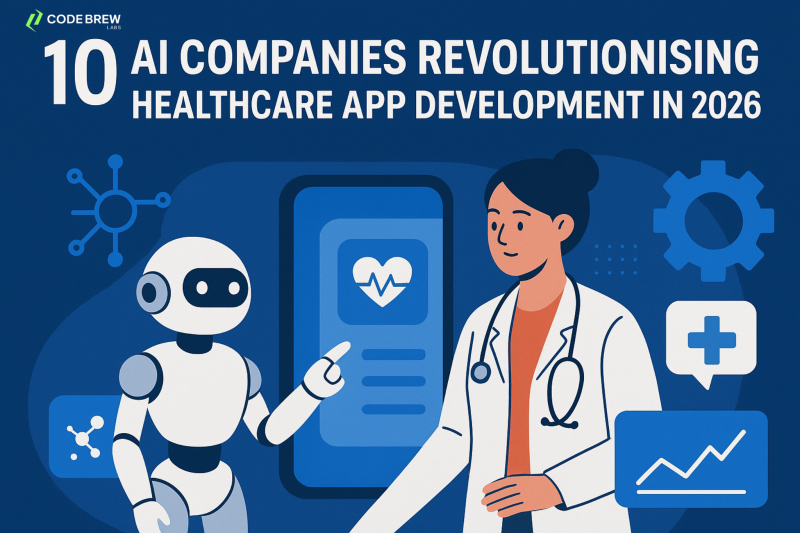
10 AI Companies Revolutionising Healthcare App Development in 2026
 Ai agent
Introduction
The year 2026 marks a pivotal moment in the field of digital healthcare. What was once considered a promising innovation has now become the foundation of modern medical infrastructure. Healthcare app development, which used to rely heavily on manual coding, traditional software engineering, and slow integration cycles, has been completely transformed by the advancement of artificial intelligence (AI). Today's healthcare applications are not merely digital tools; they are intelligent systems capable of supporting clinical decision-making, real-time patient monitoring, predictive diagnostics, and personalized care delivery.
In a short span of years, AI has shifted from assisting backend workflows to becoming the cornerstone of end-to-end healthcare app development. Whether designing telehealth applications, chronic disease management platforms, or remote monitoring systems, AI now has an impact on every stage of the process, from planning and architecture to deployment and ongoing improvement.
This shift is driven by increasing pressures on healthcare systems, including larger aging populations, the burden of chronic diseases, staffing shortages, and rising patient expectations. Hospitals seek applications that function more intelligently, patients desire apps that feel more personalized, and developers need tools that expedite building without sacrificing quality. AI effectively addresses all of these demands.
By 2026, AI-generated code, AI triage, AI medical imaging, and AI-supported care pathways have become standard features rather than futuristic concepts. Healthcare providers now evaluate developers not only by their technical skills but also by how effectively they utilize AI throughout the development process.
Adding to the excitement of this evolution is the emergence of specialized AI healthcare companies that focus solely on enhancing app development. These companies provide frameworks, predictive engines, automation tools, and medical-grade intelligence models that can be integrated into any health solution. Ten such companies are leading this revolution, and their innovations are redefining the possibilities in healthcare technology.
Rise of AI-Led Healthcare Development
The rise of AI-led healthcare development can be traced back to growing demands for smarter, faster, and more adaptive digital solutions. Healthcare apps used to rely heavily on human-driven processes: developers wrote every line of code manually, UX designers created every layout from scratch, and clinicians had to validate every feature with repeated trial cycles. This approach was slow, expensive, and prone to error.
By 2026, advanced AI models can analyze millions of patient records, medical images, wearable streams, and biological insights to provide developers with instant recommendations on features, flows, and risk alerts. For example, AI can tell a developer which dashboard widget patients with diabetes engage with most or which layout design leads to quicker onboarding for elderly users. These insights help teams build better apps in less time.
AI-powered app development also enables predictive prototyping. Before coding even begins, developers can simulate user behavior, test clinical pathways, and generate optimized app architectures that align with real-world medical workflows. This level of intelligence was unimaginable a decade ago.
The growth of AI isn’t just a technological trend; it’s a response to rising global healthcare challenges. With physician shortages and clinician burnout at record highs, healthcare apps need to carry more responsibility than ever before. AI makes that possible.
In 2026, more than 70% of newly launched healthcare apps integrate AI in some form, whether for diagnosis, automation, personalization, monitoring, or data analysis. And almost all innovative healthcare development companies rely on AI frameworks to boost speed, accuracy, and compliance.
The rise of AI-led development is redefining healthcare’s digital landscape, and the companies behind this shift are setting the standards for the future.
Why 2026 Marks a Turning Point
The year 2026 marks a historic turning point in healthcare app development because several technological, regulatory, and market factors aligned simultaneously to accelerate AI adoption. While AI had been progressing steadily for years, this was the moment when it became indispensable.
First, regulatory bodies around the world introduced updated frameworks supporting AI-powered medical tools. New standards allowed faster approvals for AI-assisted diagnostics and monitoring apps, making development smoother and reducing compliance-related delays. With clearer guidelines, developers could confidently integrate AI without fear of regulatory rejection.
The maturity of large language models and multimodal AI systems opened doors to new clinical possibilities. Apps gained the ability to interpret medical images, analyze medical histories, and generate structured summaries directly from voice conversations. These capabilities weren’t just impressive; they solved real clinical bottlenecks.
Healthcare providers reached a tipping point. Hospitals everywhere were overwhelmed by administrative tasks, staff shortages, and increasing patient demands. They needed solutions that were more intelligent than traditional apps. AI apps became the answer, able to help clinicians make faster decisions, reduce manual workload, and improve patient outcomes.
Hardware finally caught up. Wearables, IoT health sensors, and remote monitoring devices became more accurate and affordable. This influx of real-time data demanded AI-driven platforms capable of interpreting hundreds of signals at once.
Lastly, global investment skyrocketed. Venture capital funding for AI health startups hit record levels in 2025–2026. Governments and research institutes also poured money into AI medical innovation, accelerating breakthroughs.
Together, these forces created the perfect storm, making 2026 the year when AI transformed from “optional enhancement” to “required foundation” for healthcare app development.
Why AI Is Transforming Healthcare App Development
Automation
AI-powered automation has reshaped healthcare app development by eliminating repetitive tasks and reducing human error. Automated code generation, UI suggestions, compliance checks, and testing tools allow developers to finish projects in a fraction of the time. Clinician workflows are also automated, saving hours of manual entry. From auto-summaries to automated triage, apps are now smarter and more efficient.
Cost Reduction
AI optimizes development costs by speeding up coding, reducing the need for extensive QA cycles, and minimizing rework. On the clinical side, AI lowers operational costs by reducing administrative burdens, unnecessary hospital visits, delayed treatments, and staff workload. The result? Faster development timelines and more affordable healthcare solutions.
Personalization
AI delivers personalized care at scale. Healthcare apps can now adapt to individual user behavior, medical history, symptom patterns, and lifestyle factors. Personalized dashboards, medication reminders, risk alerts, and wellness recommendations make apps more effective and engaging. Personalization improves compliance and patient outcomes dramatically.
Real-Time Intelligence
The ability to process real-time data, such as heart rate, glucose levels, oxygen saturation, movement patterns, and environmental data sets, makes AI-driven apps stand out. AI transforms this raw data into actionable clinical insights. This real-time intelligence allows apps to alert providers instantly, detect early signs of deterioration, and provide immediate guidance to patients.
Key AI Trends Driving Innovation in 2026
Predictive Analytics
Predictive analytics has become one of the most influential forces shaping healthcare app development in 2026. The ability to analyze historical data, real-time vitals, behavioral patterns, and clinical records allows AI systems to foresee potential medical issues long before symptoms become critical. This shift marks a transition from reactive care to proactive and preventive healthcare, something healthcare systems have been striving for decades to achieve.
What makes predictive analytics so transformative is its ability to process millions of data points that human clinicians simply cannot interpret at the same speed or scale. AI models can predict hospital readmissions, identify patients at risk of cardiac events, detect early signs of complications in chronic disease management, and even anticipate mental health deterioration. These insights are not only accurate but also actionable, giving patients and doctors the information they need to intervene early and avoid emergencies.
Healthcare apps now include built-in predictive modules that automatically monitor trends, assess risk levels, and send alerts to providers. For example, an app for a diabetic patient can track glucose fluctuations and warn them hours before a dangerous drop. Heart patients can receive early alerts about arrhythmia. Elderly users can be notified of fall risks based on subtle gait changes captured by their devices.
Predictive analytics also helps developers design smarter apps. By understanding user behaviors, AI can suggest personalized features, adapt interfaces, and recommend preventive content that aligns with individual needs. Hospitals benefit too by reducing operational burdens, minimizing unnecessary visits, and improving long-term patient outcomes.
In 2026, predictive analytics is no longer an extra feature; it is a fundamental component of every high-performing healthcare app. It brings intelligence, safety, and personalization together in a way that redefines how digital health solutions are built and used.
Generative AI Coding
Generative AI coding has revolutionized healthcare app development by dramatically reducing build time, enhancing accuracy, and eliminating countless layers of manual work. In 2026, developers no longer start from a blank screen. Instead, they collaborate with AI systems that generate clean, efficient, and compliant code within seconds. These AI models understand standard healthcare workflows, EHR structures, interoperability protocols, and clinical requirements, making them smarter than traditional coding assistants.
Generative AI can instantly produce full app modules, APIs, backend services, UI components, and documentation based on simple natural language prompts. For example, a developer can request “a HIPAA-compliant login module with multi-factor authentication,” and the AI generates fully functional code complete with encryption logic and compliance checks.
Beyond coding, generative AI also supports automated debugging, optimization, and testing. Apps are checked against thousands of scenarios without needing human intervention. This leads to faster iterations, fewer bugs, and more stable healthcare products.
Where generative AI truly shines is in compliance support. As the healthcare sector is heavily regulated, developers often lose time ensuring apps meet HIPAA, GDPR, HL7, FHIR, and other global standards. In 2026, generative AI tools automatically incorporate compliant structures and alert developers when a feature risks violating regulations. This alone saves weeks of manual labor.
Healthcare companies also use generative AI to simulate clinical workflows before real deployment. This helps validate assumptions, improve UX, and reduce errors early in the process.
Generative AI coding is now the backbone of modern medical app development, fast, intelligent, and consistent, enabling developers to focus on strategy while AI handles the heavy lifting.
Smart Wearables
Smart wearables have become central to the next wave of AI healthcare development. In 2026, wearables have evolved far beyond simple step counters or heart rate monitors. They are now advanced biosensing devices capable of tracking biometric signals with medical-grade precision, including glucose levels, ECG, SpO2, respiration rate, stress markers, sleep cycles, blood pressure, and even early neurological patterns.
AI transforms this continuous flow of raw sensor data into meaningful real-time insights. Healthcare apps now integrate directly with smart watches, fitness bands, medical patches, smart clothing, and implantable sensors. The data collected is analyzed instantly to detect abnormalities, predict risks, and guide patients through daily health routines.
In hospitals, smart wearables reduce the load on clinical staff by automating patient monitoring. Instead of manually checking vitals, clinicians receive AI-generated alerts when a patient's condition changes. In-home care has improved dramatically as well, and patients recovering from surgeries, heart conditions, or chronic illnesses can be monitored remotely without needing constant clinic visits.
Smart wearable integrations also play a major role in preventive healthcare. AI models track subtle changes that humans might miss, detecting early signs of chronic conditions like diabetes, heart disease, and sleep disorders. This leads to earlier interventions, better treatments, and fewer complications.
For healthcare app developers, wearables open endless possibilities. Apps can be customized to the user’s physiological data, activity patterns, and lifestyle, making the health experience feel deeply personal. Developers can also use wearable data to create highly accurate predictive models for long-term care.
Wearables and AI together are making healthcare more connected, continuous, and patient-centered than ever before.
Virtual Health Agents
Virtual health agents, AI-powered assistants embedded inside healthcare apps, have become one of the most revolutionary advancements of 2026. These intelligent agents act like digital care companions, guiding users through symptom checks, medication schedules, mental health support, chronic disease tracking, and lifestyle management.
What sets virtual health agents apart from traditional chatbots is their level of intelligence, empathy, and contextual understanding. Powered by natural language processing (NLP) and large medical knowledge models, they can interpret patient questions, analyze clinical data, and respond with accurate, personalized medical guidance. They help reduce anxiety, improve treatment adherence, and make healthcare more accessible.
For instance, a user can say, “I’m feeling chest tightness,” and the virtual agent can ask follow-up questions, compare the symptoms with medical guidelines, check wearable data, and recommend the appropriate next steps, whether it's rest, medication, or immediate medical attention.
Healthcare providers love virtual health agents because they act as 24/7 support staff, handling routine queries and triage tasks that would otherwise overwhelm human teams. They can automate appointment booking, document visits, remind patients of upcoming tests, and even provide mental health coaching.
From a development standpoint, virtual agents shorten the user’s learning curve. Instead of navigating complex app menus, patients simply talk or type naturally. This improves accessibility, especially for elderly users or those with visual or cognitive limitations.
By blending conversational AI with clinical intelligence, virtual health agents are redefining digital patient care in 2026.
Medical Imaging AI
Medical imaging AI represents one of the biggest breakthroughs in healthcare technology, and in 2026, its integration into healthcare apps has reached unprecedented levels. AI systems can now analyze X-rays, MRIs, CT scans, ultrasounds, and retinal images with diagnostic accuracy that rivals, and sometimes surpasses, human specialists.
For app developers, this means medical imaging is no longer confined to hospital-grade machines. With powerful cloud processing and advanced mobile sensors, apps can now support image capture, analysis, and reporting in real time. Patients in rural areas can upload scans and receive AI-backed insights within seconds, something impossible just a few years ago.
Medical imaging AI helps detect cancer, fractures, infections, cardiovascular abnormalities, neurological issues, and dozens of other conditions earlier than traditional diagnostic workflows. This early detection saves lives, reduces treatment costs, and improves overall patient outcomes.
Developers can integrate imaging APIs into apps that support radiologists, emergency clinicians, dentists, dermatologists, and ophthalmologists. AI identifies patterns that human eyes often miss, highlights areas of concern, and generates detailed reports instantly.
Even more exciting is the rise of multimodal imaging AI systems that combine images, clinical notes, genetics, and wearable data to provide holistic insights.
Medical imaging AI is not just a tool. It is becoming the heart of modern medical diagnostics, shaping the future of remote care and transforming how healthcare apps deliver critical insights.
10 AI Companies Revolutionising Healthcare App Development in 2026
Company #1: Code Brew Labs
Overview
Code Brew Labs has positioned itself as one of the most influential AI-driven healthcare development companies of 2026, thanks to its ability to merge deep medical expertise with advanced artificial intelligence systems. Founded with a mission to solve global healthcare inefficiencies, Code Brew Labs has grown into a multinational leader serving hospitals, digital health startups, biotech firms, and insurance networks. What sets them apart is their relentless focus on designing health-tech solutions that are technologically powerful but clinically practical and patient-first.
In 2026, healthcare providers demand platforms that deliver more than just app interfaces; they require intelligent ecosystems capable of supporting complex clinical decisions, remote patient management, predictive monitoring, and interoperability across diverse hospital systems. Code Brew Labs meets this need through its highly specialized teams experienced in AI, machine learning, HL7/FHIR integrations, EHR customizations, and compliance frameworks such as HIPAA, GDPR, and regional data protection laws.
Their portfolio includes telemedicine platforms, surgical assistance tools, chronic disease management apps, medical imaging AI solutions, and real-time monitoring dashboards used in intensive care units. Code Brew Labs continues to expand globally, building strategic partnerships with medical universities, device manufacturers, wearable brands, and cloud infrastructure providers. Every solution they build is tailor-made, highly scalable, and optimized for long-term clinical use.
Their philosophy revolves around empowering healthcare professionals with intelligent tools that reduce manual workload and improve diagnostic accuracy, ultimately giving patients safer, more connected, and personalized care experiences.
AI Development Capabilities
Code Brew Labs is best known for integrating advanced AI capabilities throughout the entire app development process. Their development ecosystem is built around BrewAI Core, a proprietary framework designed to support predictive analytics, natural language processing, medical image interpretation, and real-time decision support.
One of their strongest capabilities is generative AI-assisted development, allowing their engineers to build complex healthcare modules in a fraction of the usual time. Using LLMs trained on clinical workflows, Code Brew Labs can automatically generate code, optimize backend systems, create compliant data structures, and accelerate testing cycles. This enables hospitals and startups to launch high-quality apps faster without compromising security or accuracy.
Their AI models also support clinical decision-making, offering symptom analysis, differential diagnosis suggestions, patient risk scoring, and medication interactions guidance. Code Brew Labs integrates these features into apps to help clinicians make faster, more informed choices.
The company excels in medical imaging AI as well—building systems capable of analyzing X-rays, MRIs, ultrasounds, and CT scans with excellent precision. These imaging modules can be embedded in mobile apps or cloud dashboards, empowering radiologists with early detection tools.
Additionally, Code Brew Labs specializes in AI-powered automation tools that reduce administrative burdens, such as AI note transcription, automated appointment triage, intelligent chatbot support, and workflow automation engines. By combining data science with real-world clinician needs, Code Brew Labs builds solutions that solve practical problems, improve care quality, and drive digital transformation at scale.
Key Healthcare App Innovations
Code Brew Labs has introduced several groundbreaking innovations that have reshaped the healthcare app landscape in 2026. Their predictive care engines are among the most impactful, enabling early detection of health risks such as heart failure, respiratory decline, infection trends, and chronic disease complications. These insights are delivered to both patients and clinicians through real-time app alerts, helping reduce emergency admissions and improving patient outcomes.
Their AI-driven triage platform is another major innovation, an intelligent assistant that evaluates symptoms, patient history, wearable data, and contextual indicators to guide patients to the right level of care. Hospitals use this tool to decrease call center congestion and streamline patient flow.
Code Brew Labs has also developed Emotion-Aware UX, a design system that adapts app interfaces based on patient stress levels, cognitive load, and accessibility needs. This creates more intuitive and supportive digital experiences, especially for elderly users and individuals with disabilities.
In remote monitoring, their apps integrate with over 200 wearable and IoT medical devices, enabling continuous tracking of vitals, sleep patterns, glucose data, mobility metrics, and more. These insights feed into AI models that provide personalized recommendations and alerts.
Their innovations extend to hospital-level automation as well as AI-powered documentation tools, voice-to-chart systems, prescription assistants, and medication adherence trackers. Every solution emphasizes clinical safety, strong data protection, and efficiency.
Code Brew Labs’ commitment to AI-driven healthcare progress makes them one of the most influential companies redefining digital medicine in 2026.
Company #2: Royo Apps
Overview
Royo Apps has become one of the most influential AI-powered healthcare development companies in 2026, especially in the global telemedicine and virtual care ecosystem. Known for its rapid deployment capabilities and modular digital health architectures, Royo Apps builds highly scalable solutions for hospitals, digital clinics, hybrid-care providers, mental health platforms, and virtual-first healthcare startups.
What makes Royo Apps stand out is its unique blend of automation-focused engineering and accessibility-driven app design. Their team includes specialists in natural language processing (NLP), AI-assisted workflows, HL7/FHIR integration, medical compliance frameworks (HIPAA, GDPR), and telepresence technologies. Royo Apps has carved a niche by transforming traditional telehealth systems into intelligent, AI-led ecosystems capable of supporting millions of concurrent patient interactions without downtime.
In 2026, virtual care is no longer optional; patients expect 24/7 access, real-time responses, and on-demand medical guidance. Royo Apps delivers exactly that. Their platforms unite video consultations, automated triage, medical records, on-call scheduling, AI note generation, e-prescribing, and remote monitoring into a seamless user experience. By removing friction from both patient and provider workflows, Royo Apps helps healthcare organizations operate smarter, faster, and more efficiently.
AI-Powered Telehealth Solutions
Royo Apps is best known for its groundbreaking AI-powered telehealth systems that make remote care more intuitive, responsive, and clinically accurate. Their signature platform, Royo VirtualCare AI, is an advanced telemedicine ecosystem that integrates encrypted video consultations, automated patient matchmaking, and smart triage algorithms that evaluate symptoms before a consultation even begins.
Their AI assistant analyzes patient input voice, text, wearable data, and previous medical records to determine urgency levels and direct patients to the right specialist. This reduces wait times dramatically and helps clinicians stay organized.
Royo Apps also offers AI-supported virtual examination tools. These include integrations with digital stethoscopes, otoscopes, glucose sensors, ECG patches, and vitals monitoring devices that transmit real-time biometric data to clinicians during the consultation. This enables doctors to conduct remote physical assessments almost as thoroughly as in-person visits.
One of their most impressive advancements is AI-driven consultation transcription. During a video call, the AI automatically records notes, summarizes symptoms, captures instructions, and stores everything in a structured medical format. Providers save hours each week by eliminating manual documentation.
Royo Apps continues to push boundaries with multilingual AI interpreters that remove language barriers and real-time risk alerts that notify clinicians of alarming symptoms mid-consultation.
Strengths in Healthcare UX Automation
Royo Apps has established itself as a leader in automated healthcare user experience (UX), a challenging area for many developers. Healthcare users, particularly elderly patients, rural populations, and individuals with disabilities, require simple, intuitive, and emotionally intelligent interfaces. Royo Apps designs its UX to adapt to the needs of the patient, rather than forcing patients to adjust to the technology.Their AI-driven UX engines analyze user behavior patterns, physical capabilities, cognitive load, and engagement data to automatically adjust layout spacing, simplify navigation, modify colors for readability, and even reduce screen clutter during moments of high emotional stress.
Royo’s UX automation tools support:
- Adaptive font scaling for visual impairments
- Gesture-based navigation for mobility limitations
- Emotion-sensitive prompts for mental health users
- Simplified onboarding for elderly patients
- Automated voice assistance for low-literacy populations
This makes their healthcare apps accessible to virtually anyone, regardless of age or ability.
Royo Apps’ mastery of UX automation is one of the primary reasons they dominate the global telehealth market in 2026.
Company #3: Blocktech Brew
Overview
Blocktech Brew has evolved into one of the most innovative AI healthcare development companies by merging artificial intelligence with blockchain-backed architectures. Their systems emphasize data privacy, secure sharing, clinical transparency, and interoperability, four pillars essential for modern healthcare.
Based in a global network of development hubs, Blocktech Brew collaborates with hospitals, digital clinics, biotech companies, insurance providers, and telemedicine platforms. Their distinguishing strength is their ability to build trust-centered healthcare ecosystems where AI insights and patient data flow securely across devices and institutions without risk of tampering or unauthorized access.
Blocktech Brew develops AI-supported EHR modules, wearable-integrated apps, remote monitoring dashboards, population health analytics platforms, medical imaging tools, and decentralized identity systems for patients. Their solutions adhere to strict compliance requirements across HIPAA, HL7, FHIR, GDPR, and regional data policies.
In 2026, as cybersecurity threats increase sharply, healthcare providers turn to Blocktech Brew for their robust blend of AI precision and blockchain security.
AI + Blockchain Hybrid Models
What makes Blocktech Brew especially unique is its pioneering approach to merging AI intelligence with blockchain transparency. AI models need large, reliable, tamper-proof datasets to perform accurately, and blockchain provides the perfect foundation.
Their MedBlock AI Framework ensures that patient data stays secure, encrypted, and immutable while still allowing AI systems to analyze trends, detect risks, and generate insights. This hybrid model allows hospitals and researchers to collaborate on shared datasets without compromising patient privacy.
Examples include:
- Tamper-proof EHR systems that prevent unauthorized modifications
- AI-powered smart contracts that automatically approve claims or authorize clinical actions
- Decentralized clinical trial platforms that guarantee transparent results
- Patient-owned health records with AI-driven insights and blockchain verification
- Zero-trust authentication for remote monitoring and telemedicine
This combination builds trust between patients, providers, and institutions, something the healthcare world desperately needs in 2026.
Healthcare Interoperability Tools
Blocktech Brew builds some of the most advanced interoperability tools in the healthcare industry. These tools resolve one of healthcare’s biggest frustrations: fragmented data across different systems, devices, and providers.
Their interoperability suites integrate:
- EHR systems (Epic, Cerner, Meditech, Allscripts)
- Wearables and IoT medical devices
- Insurance and claims platforms
- Pharmacy systems
- Laboratory and radiology systems
- Government health registries
Their AI engines automatically map, clean, and standardize incoming data using HL7, FHIR, CCD, and DICOM formats. This ensures that clinicians always see unified, accurate patient information regardless of where it was generated.
Their real-time sync engines enable continuous care coordination, reduce medical errors, and allow doctors to access complete patient histories instantly.
Blocktech Brew’s interoperability innovations are a major reason they are trusted by hospitals and digital health enterprises worldwide.
Company #4: Google Health AI
Overview
Google Health AI continues to be one of the most influential forces in global digital health transformation. By 2026, the company will have evolved from a data-driven research initiative into a comprehensive ecosystem powering hospitals, telehealth platforms, research institutions, and consumer health apps. Built on Google’s unmatched capabilities in big data, machine learning, cloud architecture, and natural language understanding, Google Health AI delivers solutions that are smarter, faster, and more clinically aligned than ever before.
Google Health AI integrates seamlessly with Google Cloud, enabling healthcare organizations to process enormous datasets in real time, everything from EHR records and imaging scans to genomic information and continuous wearable streams. Its infrastructure follows strict compliance frameworks (HIPAA, GDPR, and regional privacy laws) and focuses on secure data handling through advanced encryption and federated learning models. This allows organizations to leverage powerful AI insights without exposing sensitive patient data.
In 2026, Google’s presence in the healthcare space is not just technical; it’s deeply collaborative. The company works closely with clinicians, hospitals, and academic centers worldwide to develop clinically validated AI models. Their research spans radiology, oncology, cardiology, ophthalmology, mental health, and population health. Google Health AI is also recognized for its patient-centered approach: simplifying medical data, enabling more intuitive health experiences, and increasing accessibility across underserved populations.
Their tools empower clinicians to make faster decisions, help hospitals predict risks before they escalate, and give patients more control over their health data. With its unmatched cloud infrastructure and AI capabilities, Google Health AI is shaping the future of intelligent healthcare delivery.
Clinical Insights & Predictive AI Tools
Google Health AI’s predictive analytics and clinical insight tools have become foundational to modern healthcare app development. The company provides a suite of AI models that interpret medical data at incredible speed, offering clinicians actionable insights that improve care quality and reduce diagnostic delays.
One of Google’s most powerful innovations is its AI-driven clinical prediction engine, which identifies patient deterioration risks, chronic disease patterns, hospital readmission probabilities, and treatment response likelihoods. These predictions help providers intervene early, tailor care plans, and prevent medical emergencies.
Their imaging AI systems, originally inspired by Google DeepMind’s work, can detect anomalies in X-rays, MRIs, CT scans, and retinal images with astonishing accuracy. Hospitals using Google models report significantly faster diagnostic workflows, reduced radiologist burnout, and improved early detection rates for diseases like cancer and diabetic retinopathy.
Google Health AI also leads in NLP for healthcare. Their models can convert doctor-patient conversations into structured clinical notes, summarize EHR documents, flag medication conflicts, and support decision-making with real-time recommendations. This automation dramatically reduces administrative burdens on clinicians.
Population health tools analyze community-level trends, identifying outbreaks, environmental risks, and health-behavior correlations. These insights help public health teams prepare for potential crises ahead of time.
For app developers, Google Health AI provides easy-to-integrate APIs, allowing startups and hospitals to embed world-class predictive intelligence into their platforms. This democratizes access to advanced clinical insight tools, empowering both small clinics and large hospital systems to deliver smarter care.
Company #5: Microsoft Azure Health Intelligence
Overview
Microsoft Azure Health Intelligence has solidified its reputation as one of the most advanced cloud and AI infrastructure providers in the healthcare sector. Built on the powerful Azure ecosystem, the platform offers hospitals, pharmaceutical companies, insurance firms, and app developers an entire suite of tools that streamline medical workflows, enhance clinical decision-making, and support large-scale data interoperability.
By 2026, Azure Health Intelligence will have become a cornerstone in hospital digital transformation strategies. Its strength lies in secure cloud computing, enterprise data management, hybrid-cloud deployments, and integration capabilities across existing medical software. Microsoft’s deep partnerships with leading EHR vendors, including Epic and Cerner, give Azure a unique advantage in supporting real-world hospital operations.
Azure’s health-specific optimizations include HIPAA-compliant architecture, advanced encryption, identity control using Azure Active Directory, and automated compliance monitoring. The platform supports everything from remote patient monitoring to population health analytics, telehealth optimization, clinical workflows, and AI-powered research pipelines.
What truly sets Azure apart is its emphasis on responsible and transparent AI. Microsoft invests heavily in explainability frameworks, bias mitigation, and validation tools to ensure healthcare organizations can trust the AI recommendations they receive.
Azure Health Intelligence empowers developers with an ecosystem that combines scalability, high performance, and clinical-grade security, making it one of the most reliable foundations for building AI-driven healthcare apps.
Cloud AI Models for Hospitals
Azure’s cloud-based AI models are widely used by hospitals to enhance diagnostic accuracy, automate workflows, and improve patient outcomes. These models process massive amounts of clinical data, lab results, imaging scans, EHR notes, wearable streams, and medical histories to deliver precise insights that support clinicians at every step of patient care.
Azure’s Cognitive Services for Health provides specialized medical NLP tools capable of extracting diagnoses, medications, symptoms, and treatment plans from unstructured texts. This reduces administrative workload while improving documentation quality.
Azure also offers AI imaging tools that enhance radiology workflows. These models help detect tumors, fractures, vascular abnormalities, and infectious disease patterns with high accuracy. Hospitals integrate these imaging APIs into their internal systems for real-time analysis and risk stratification.
Another major breakthrough is Azure’s support for AI-powered clinical workflow automation. Hospitals can automate tasks such as patient intake, appointment routing, case prioritization, and care coordination. This saves hundreds of hours each month and reduces the risk of human error.
The platform also excels in remote patient monitoring. AI models continuously analyze patient vitals and behavior patterns to detect early signs of health deterioration, making home-based care more reliable and scalable.
Azure’s cloud models help hospitals operate more efficiently, safely, and intelligently.
Interoperability Engines
Interoperability has long been one of healthcare’s biggest challenges, but Azure Health Intelligence solves this through its powerful interoperability engines. These systems connect disparate healthcare applications, EHR platforms, IoT devices, and databases into one unified ecosystem.
Azure’s FHIR Service is a breakthrough tool that automatically converts messy, unstructured clinical data into standardized FHIR formats. This allows seamless sharing of information across hospitals, labs, pharmacies, insurers, and telehealth systems.
Microsoft also offers integration templates that help developers connect:
- Epic & Cerner
- Medical IoT devices
- Laboratory information systems
- Claims & billing engines
- Telehealth platforms
- Wearables & home monitoring devices
Azure’s interoperability engines reduce complexity, eliminate duplicate data, and ensure clinicians see complete, up-to-date patient records every time.
Company #6: NVIDIA BioNeMo
Overview
NVIDIA BioNeMo is one of the most groundbreaking AI platforms in modern healthcare, specializing in computational biology, drug discovery, protein modeling, and molecular simulation. By 2026, BioNeMo will have become the backbone for biotech companies, pharmaceutical research labs, genomics firms, and AI-driven diagnostic startups worldwide.
BioNeMo leverages NVIDIA’s unmatched GPU technology, enabling researchers to run massive biological models that would otherwise take years to compute. Its cloud infrastructure is optimized to handle complex biological datasets, including DNA sequences, protein structures, cell interactions, clinical trial results, and multi-omics data.
In an era where precision medicine and personalized therapies are in high demand, BioNeMo gives researchers the computational power to accelerate breakthroughs and reduce development timelines dramatically.
Hospitals and digital health companies also use BioNeMo to enhance prediction models, improve diagnostic tools, and support AI-driven clinical research. Its contribution to global healthcare innovation is nothing short of transformative.
Drug Discovery AI
Drug discovery has traditionally been a slow, expensive, and labor-intensive process, but NVIDIA BioNeMo has turned it into an AI-accelerated pipeline. Using deep learning models, researchers can now simulate how molecules interact, predict therapeutic outcomes, and test thousands of drug candidates within minutes.
BioNeMo’s generative models help scientists design entirely new molecules optimized for safety, effectiveness, and stability. Its simulation tools reduce the need for early-stage laboratory experiments, accelerating the journey from concept to clinical trial.
Pharmaceutical companies use BioNeMo to:
- Identify drug targets
- Predict drug–protein interactions
- Model toxicity levels
- Simulate pharmacokinetics
- Optimize compound libraries
This reduces development time from decades to years and, in some cases, from years to months.
BioNeMo’s AI is reshaping the future of drug discovery by enabling faster, more accurate therapeutic innovation.
Genomics AI Capabilities
BioNeMo also specializes in genomics AI, an area critical to the rise of precision medicine. Its models analyze DNA sequences, identify genetic variations, and help researchers understand how genetics influences disease risk, drug response, and biological behavior.
BioNeMo’s genomics tools support:
- Variant classification
- Multi-omics analysis
- Gene expression modeling
- Personalized treatment recommendations
- Predictive genomics for rare diseases
Because it operates on high-performance GPU clusters, BioNeMo can process enormous genomic datasets faster than any traditional system.
Its impact is especially significant in cancer genomics, newborn screening, inherited disease detection, and targeted therapy development.
BioNeMo’s genomics AI capabilities make it one of the most transformative healthcare technologies of 2026, driving breakthroughs that were once scientifically impossible.
Company #7: DeepMind Health (Alphabet)
Overview
DeepMind Health, an Alphabet subsidiary, remains one of the most revolutionary forces in clinical AI research and advanced medical diagnostics. By 2026, DeepMind’s algorithms will have been adopted by leading hospitals, imaging centers, and telehealth platforms around the world, thanks to their unmatched accuracy, explainability, and clinical validation. What sets DeepMind apart is the way its research blends deep learning with medical science to solve complex diagnostic challenges that previously required years of human expertise.
DeepMind works closely with global healthcare institutions, publishing peer-reviewed research on ophthalmology, oncology, radiology, cardiology, and critical care. Their models have consistently demonstrated superior performance in early disease detection, risk stratification, and clinical decision support. As healthcare providers shift toward preventive and precision-based care, DeepMind’s tools have become indispensable in predicting outcomes, identifying hidden patterns, and helping clinicians make accurate decisions faster.
DeepMind Health also invests heavily in ethical AI, fairness, and unbiased datasets. Their multi-layer privacy protections, federated learning systems, and responsible AI frameworks ensure that hospitals and digital platforms can integrate advanced intelligence without compromising patient safety or confidentiality.
By 2026, DeepMind’s work will have elevated diagnostic accuracy but will also drastically reduce clinician burnout, shorten waiting times, and help millions of patients receive early, life-saving treatment.
Clinical Diagnostics AI
DeepMind’s clinical diagnostic AI systems are widely considered the gold standard in medical accuracy. Their algorithms interpret complex patient data, including imaging scans, lab results, EHR summaries, biosignals, and genomic patterns to predict disease progression and guide treatment strategies.
Their landmark innovations include:
- AI models that detect diabetic retinopathy with greater accuracy than human specialists
- Cardiac risk prediction tools that identify abnormalities long before symptoms appear
- AI-powered triage engines that help emergency departments prioritize cases more effectively
- Lab result anomaly detectors that highlight critical values and potential risks
These tools reduce diagnostic delays, improve hospital efficiency, and allow doctors to spend more time with patients instead of navigating fragmented data.
DeepMind’s systems also integrate with major EHR platforms, enabling real-time alerts and automated decision support during clinician workflows. By reducing human error and improving diagnostic precision, DeepMind has dramatically reshaped modern care delivery.
Imaging & Early Detection Tools
DeepMind’s imaging AI tools are among the most respected in the medical community. Their deep learning models analyze X-rays, CT scans, MRIs, ultrasounds, and retinal images with exceptional speed and accuracy. Hospitals using DeepMind AI report significant improvements in early detection of cancer, cardiovascular disease, neurological disorders, and musculoskeletal injuries.
One of their breakthrough innovations is the AI mammography tool, which reduces false negatives and allows radiologists to detect breast cancer at earlier, more treatable stages. Similarly, DeepMind’s ophthalmology models can identify more than 50 retinal conditions with near-perfect accuracy.
Their early detection algorithms can flag anomalies before human radiologists even begin reviewing the scans, drastically reducing workload and improving turnaround times. These imaging insights help physicians intervene early, often before symptoms intensify, resulting in better patient outcomes and lower long-term care costs.
Company #8: Tempus AI
Overview
Tempus AI is a global leader in data-driven healthcare and one of the most powerful players in precision medicine. With one of the world’s largest libraries of clinical and molecular data, Tempus uses advanced AI models to help physicians deliver highly personalized treatment plans. By 2026, Tempus will have become synonymous with AI-powered oncology, genomics-driven diagnostics, and individualized therapeutic insights.
Tempus collaborates with hospitals, cancer centers, research institutions, biotech firms, and pharmaceutical companies to analyze patient data at an unprecedented scale. Their platform integrates genomic sequencing, imaging results, lab reports, digital pathology, patient histories, and treatment outcomes to generate actionable insights.
What sets Tempus apart is its ability to unify fragmented data and transform it into precise recommendations that support more informed, more effective clinical decisions. Their mission is simple yet ambitious: use AI to help every patient receive the right treatment at the right time.
Precision Medicine
Tempus is at the cutting edge of precision medicine, using AI to tailor treatments based on each patient’s unique genetic, molecular, and clinical profile. Their algorithms can identify mutations, analyze biomarker patterns, and predict how patients will respond to specific treatments.
Key benefits of Tempus precision medicine tools include:
- Genomics-informed drug selection
- Prediction of treatment efficacy
- Early detection of therapy resistance
- Customized care pathways for rare diseases
- Personalized clinical trial matching
These capabilities are transforming how clinicians approach complex conditions, particularly cancer, genetic disorders, and chronic diseases.
By helping doctors understand the “why” behind each patient’s disease, Tempus empowers truly individualized care strategies that improve outcomes and reduce unnecessary treatments.
Oncology AI Platforms
Tempus is particularly dominant in oncology, where its AI platforms support diagnosis, treatment planning, and ongoing monitoring. Their cancer-focused solutions integrate genomic sequencing with imaging AI, clinical outcomes, and real-world evidence to guide oncologists through some of medicine’s most complicated decisions.
Tempus oncology tools enable:
- Early detection of cancer biomarkers
- AI-supported tumor profiling
- Optimized chemotherapy and immunotherapy selection
- Prediction of metastasis risk
- Longitudinal patient monitoring with real-time alerts
Their clinical trial matching engine is one of the most advanced in the world, helping thousands of patients access potentially life-saving experimental therapies based on genomic compatibility.
Tempus AI is redefining cancer care not by replacing oncologists but by empowering them with unprecedented clarity, precision, and predictive intelligence.
Company #9: Medtronic AI Healthcare Technologies
Overview
Medtronic, one of the largest and most trusted medical device manufacturers in the world, has become a dominant force in AI-powered healthcare by 2026. With decades of expertise in cardiology, neurology, diabetes care, and surgical technology, Medtronic integrates artificial intelligence into its medical devices to create smarter, safer, and more responsive systems.
The company’s AI advancements focus on real-time monitoring, automated detection, clinical analytics, and personalized care. Medtronic’s connected devices, ranging from insulin pumps and cardiac implants to surgical robots, collect continuous patient data, which AI models analyze to predict risks, adjust therapies, and alert clinicians instantly.
As chronic diseases surge globally, Medtronic's AI-enabled devices are helping millions of people manage conditions more effectively while reducing hospital admissions and emergency interventions. Their combination of hardware excellence and software intelligence sets the standard for medical device innovation.
AI-Powered Medical Devices
Medtronic’s devices are embedded with advanced AI models that make them more autonomous and clinically valuable. Their insulin pumps use predictive glucose analytics to deliver precise dosing adjustments, while cardiac implants monitor arrhythmias, heart rhythms, and cardiovascular health in real time.
Their AI-supported surgical platforms assist surgeons by mapping anatomical structures, guiding complex procedures, and enhancing precision to reduce complications. These surgical systems learn from past cases and continuously improve technique recommendations.
Key AI device innovations include:
- Smart insulin delivery systems
- AI-guided neuromodulation devices for pain and epilepsy
- Cardiac monitoring implants with predictive arrhythmia alerts
- Surgical robotics with adaptive navigation
By pairing next-generation AI with medical hardware, Medtronic is reshaping device intelligence at a global scale.
Real-Time Monitoring Intelligence
Medtronic excels in real-time patient monitoring. Their interconnected ecosystem of implants, wearables, and home monitoring tools continuously tracks vital signs, symptoms, and disease-specific markers.
AI models analyze this data instantly to detect abnormalities such as:
- Sudden glucose fluctuations
- Early signs of cardiac distress
- Respiratory irregularities
- Neurological activity patterns
- Post-surgical complications
These systems alert healthcare providers, trigger emergency protocols, or automatically adjust treatment parameters, saving lives long before conditions escalate.
Real-time AI monitoring reduces hospitalizations, improves long-term disease management, and helps patients maintain independence and quality of life.
Company #10: Philips HealthSuite AI
Overview
Philips HealthSuite AI has become one of the most important healthcare ecosystems in 2026, offering advanced cloud intelligence, imaging solutions, patient monitoring systems, and hospital automation tools. With a footprint in over 100 countries, Philips brings decades of clinical and technological expertise to its AI-driven platform.
HealthSuite AI is built to support hospitals, home-care providers, telehealth platforms, and diagnostic centers. Its strength lies in connecting devices, aggregating data from multiple sources, and turning it into actionable insights. Philips emphasizes patient safety, clinical precision, and advanced integration between hardware and AI, making it a favorite among large hospital networks.
Their systems follow global compliance frameworks, and their device-to-cloud connectivity ensures clinicians always have access to real-time data, whether evaluating imaging scans or monitoring chronic patients remotely.
Hospital Workflow Automation
Philips HealthSuite AI’s automation tools streamline daily hospital operations, reducing the burden on staff and optimizing resource allocation. Their AI models support bed management, clinical scheduling, emergency triage, staffing forecasts, supply chain management, and patient flow optimization.
The platform can analyze tens of thousands of data points per second to predict demand, identify bottlenecks, and recommend operational improvements. This helps hospitals reduce wait times, improve care coordination, and deliver smoother patient experiences.
Philips also automates documentation, intake processes, and routine alerts so clinicians spend less time on administrative tasks and more time on patient care.
Imaging & Patient Monitoring AI
Philips is globally recognized for its imaging intelligence, particularly in radiology and cardiology. Its AI tools assist radiologists in detecting abnormalities across CT, MRI, ultrasound, and X-ray scans with high accuracy. These models identify tumors, vascular issues, fractures, and organ conditions earlier than traditional imaging workflows.
In addition, Philips’ AI-powered patient monitoring systems track vitals continuously in hospitals and at home. Their sensors analyze breathing, heart rate, blood oxygen levels, and movement patterns, predicting clinical deterioration before symptoms become obvious.
This combination of imaging expertise and monitoring intelligence helps hospitals deliver proactive, high-precision care across all clinical environments.
How AI is Accelerating App Development Speed & Accuracy
AI has moved from an assistive novelty into a core productivity multiplier for healthcare app development. In 2026, AI shortens development lifecycles, raises baseline quality, and embeds domain knowledge into code, all while helping teams meet strict clinical and regulatory expectations.
At a high level, AI accelerates development by:
- Automating repetitive engineering tasks (scaffolding, boilerplate, API wiring).
- Reducing manual testing and QA through intelligent simulation and anomaly detection.
- Injecting clinical best practices into features (e.g., default safety checks, audit logging).
- Increasing developer productivity so small teams can produce enterprise-grade health apps.
Below are three concrete mechanisms driving that acceleration.
Generative Coding
Generative coding tools powered by medical-domain large language models and code synthesis engines are now standard in many health-tech shops. Developers provide high-level prompts, for example, “build a HIPAA-compliant medication reconciliation module with FHIR integration and audit logging,” and AI outputs scaffolded code, configuration, and test stubs.
Benefits:
- Speed: Modules that used to take weeks are scaffolded in hours.
- Consistency: Generated code adheres to established patterns (security, logging, error handling).
- Compliance-by-default: Domain-tuned models inject required hooks (encryption, consent capture), reducing rework.
Caveats: Generated code still needs rigorous review by security, compliance, and clinical engineering teams. Generative tools reduce effort but don’t replace domain expertise.
Automated Testing
AI dramatically improves automated testing by generating realistic scenarios and simulating rare edge cases. Test suites now include synthetic patient populations, device telemetry streams, and adversarial inputs (e.g., corrupted device data). AI-based test oracles can detect semantic errors, not just failing unit tests, such as a diagnostic score that drifts out of clinical boundaries.
Advantages:
- Better coverage: More permutations and stress patterns are exercised.
- Faster regression: Continuous integration pipelines validate models and code with clinical realism.
- Early detection: ML-specific failure modes (data skew, concept drift) are found pre-release.
This lowers post-deployment incidents and accelerates safe iterations.
Compliance Automation
AI helps automate compliance tasks that historically consumed months: mapping data flows, generating privacy impact assessments, and creating audit-ready documentation. Tools can analyze data schemas, identify PHI, recommend encryption strategies, and produce reports showing how the app meets HIPAA, GDPR, or local standards.
Why it matters:
- Reduced legal friction: Faster regulatory readiness.
- Repeatable evidence: Automatic generation of compliance artifacts for audits.
- Continuous compliance: Real-time monitoring flags configuration drift or risky patterns.
Together, generative coding, automated testing, and compliance automation shorten time-to-market while raising safety and reliability crucial for healthcare.
Challenges AI Developers Face in 2026
Despite impressive advances, AI developers working in healthcare confront meaningful technical, ethical, and regulatory barriers. Successful teams actively mitigate these risks rather than assuming technology alone will solve them.
Data Security
Healthcare data is among the most sensitive and valuable. AI projects typically require large datasets of,ten pooled across institutions, which increases exposure:
- Threat surface: Data aggregation and model hosting introduce attack vectors (data exfiltration, model theft).
- Adversarial risks: Models can be targeted by poisoning attacks or membership inference that recovers private information.
- Operational security: DevOps pipelines, third-party SDKs, and device integrations create additional risk points.
Mitigations include zero-trust architectures, encryption in transit and at rest, hardware-backed key management, continuous pen-testing, and techniques such as federated learning and differential privacy to limit data exposure.
Model Bias
AI systems trained on skewed datasets can perpetuate or amplify disparities:
- Population bias: Models trained on one demographic may underperform on others, producing worse care for underrepresented groups.
- Labeling bias: Clinical labels reflect historical practice patterns that may embed systemic errors.
- Outcome bias: Optimization for throughput or revenue rather than patient outcomes can subtly shift model behavior.
Addressing bias requires diverse datasets, rigorous fairness audits, multi-center validation, human-in-the-loop review, and transparent reporting of performance across subgroups.
Regulatory Hurdles
Regulation lags technology. Even as standards evolve, developers must navigate varied, sometimes inconsistent frameworks:
- Device classification: When does an AI model become a medical device? Different jurisdictions disagree.
- Continuous learning: Approvals for models that update in production require new regulatory approaches (post-market surveillance, locked vs. adaptive models).
- Liability & auditing: Determining responsibility for AI-driven clinical decisions remains legally complex.
Successful firms embed regulatory affairs into product planning, maintain audit trails, implement explainable AI, and invest in post-deployment monitoring to meet evolving requirements.
Future Outlook: What Healthcare Apps Will Look Like in 2030
Projecting to 2030, the convergence of sensor advances, federated data networks, and safer AI promises to reshape expectations for what an app can do. Below are three major shifts likely to be broadly realized.
AI-First Diagnostics
By 2030, many front-line diagnostic tasks will be AI-first: initial reads for imaging, triage for primary symptoms, and genomics interpretation will be performed by validated AI stacks before clinicians review. That creates faster pathways to treatment and enables scarce specialists to focus on complex cases. Crucially, AI-first diagnostics will require robust human-AI collaboration models, with clear escalation paths and explainability baked in.
Fully Autonomous Monitoring
Continuous monitoring will move from alerting to autonomous intervention in many scenarios. Closed-loop systems (e.g., adaptive insulin delivery, automated hemodynamic support) will make minute-to-minute therapy adjustments without clinician input, within defined safety envelopes. Autonomous monitoring reduces response latency and will be particularly impactful in chronic care and post-acute home recovery.
Safety note: autonomy requires strict guardrails, certification, and failsafe human override mechanisms.
Predictive Emergency Care
Predictive analytics will transition from near-term alerts to full emergency prediction forecasting events hours, days, or even weeks in advance. Emergency systems in ambulances and hospitals will use aggregated, near-real-time population data to pre-position resources, trigger community interventions, or initiate preemptive care pathways (e.g., nurse visits, medication adjustments), thereby blunting crises before they occur.
Collectively, these trends point to healthcare becoming more proactive, continuously personalized, and increasingly distributed with AI as the operational control plane.
Conclusion
AI has fundamentally changed the landscape of healthcare app development. It accelerates code production and enhances early disease detection, delivering efficiency improvements and meaningful clinical outcomes. By 2026, the industry will see the emergence of credible leaders, robust cloud platforms, and device ecosystems that make intelligent applications more scalable and safer than ever.
However, technology alone is not sufficient. Responsible implementation requires strong data governance, mitigation of bias, explainable models, clinician-centered design, and proactive engagement with regulators. Companies that succeed will be those that combine technical excellence with ethical considerations and deep clinical partnerships.
Looking towards 2030, we can expect diagnostic workflows to become AI-driven, monitoring systems to operate partially autonomously, and emergency care to be predicted and managed more efficiently. If developers, clinicians, regulators, and patients in the healthcare ecosystem can align on safety and equity, AI will streamline care but also democratize access and transform how we maintain health.
Source:
Click for the: Full Story
You might like