



 Close Menu
 World
World
 Biography
 Health
 Education
 Business
 Lifestyle
 Sports
 Technology
 Animals
 History
 Food
Food
 Religious
 Startups
 Movies
 Politics
 Fashion
 Covid
Covid
 Diet
Diet
 Fitness
 Marketing
 Travel
 Science
 Reviews
 Social media
 Stories
 Facts
Facts
 Art
Art
 Entertainment
Brandi Adam

Business
11 Proven Applications of a Briquette Cum Pellet Machine in Waste Management
 Brandi Adam
Waste management has become one of the biggest global challenges as industries and agriculture generate massive amounts of residues every day. Instead of allowing this waste to accumulate in landfills or cause environmental pollution, modern technology offers a sustainable solution. One such powerful innovation is the Briquette cum Pellet machine, which converts waste into valuable solid fuel.
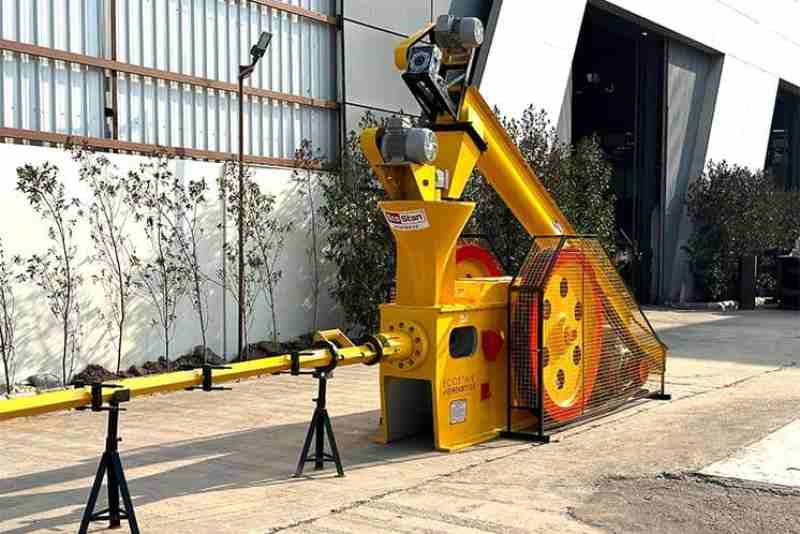
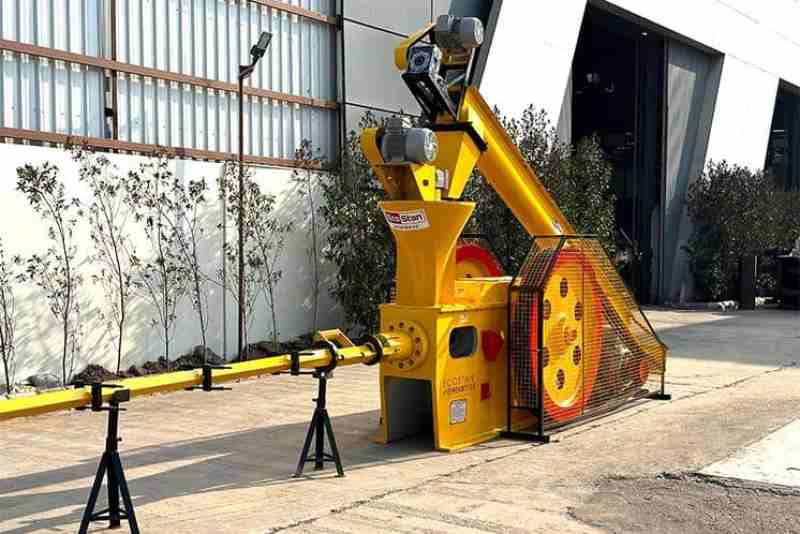
A Briquette cum Pellet machine is designed to process various types of biomass and industrial waste into compact briquettes or pellets that can be used as an alternative fuel source. Below are 11 proven applications of this versatile machine in effective waste management.
1. Agricultural Residue Recycling
Farm waste such as rice husk, wheat straw, mustard straw, groundnut shells, and corn cobs often goes unused or is burned openly, causing severe air pollution. A Briquette cum Pellet machine compresses these residues into uniform briquettes or pellets, transforming agricultural waste into eco-friendly fuel suitable for industrial boilers and heating systems.
2. Sawdust and Wood Waste Utilization
Woodworking industries generate large quantities of sawdust and wood shavings. Disposing of this waste can be expensive and environmentally harmful. By using a Briquette cum Pellet machine, sawdust can be converted into high-density briquettes or pellets, reducing storage space and turning waste into a profitable energy product.
3. Forestry Waste Management
Forestry operations produce bark, leaves, and small wood pieces that are often discarded. These materials can be processed through a Briquette cum Pellet machine to create solid fuel, helping forest-based industries manage waste more efficiently while promoting sustainable resource use.
4. Sugar Industry Waste Processing
Bagasse, the fibrous residue from sugarcane after juice extraction, is widely available in sugar-producing regions. Instead of leaving it to decay, industries can process bagasse through a Briquette cum Pellet machine to produce clean-burning fuel for boilers and power plants.
5. Paper and Pulp Industry Waste
Paper mills generate sludge and waste fibers that are difficult to dispose of. A Briquette cum Pellet machine compacts these materials into manageable fuel blocks, minimizing landfill dependency and contributing to circular waste management practices.
6. Municipal Solid Waste (MSW) Conversion
Certain biodegradable fractions of municipal solid waste can be dried and processed into fuel briquettes or pellets. A Briquette cum Pellet machine supports waste-to-energy initiatives by converting organic MSW into alternative fuel, reducing landfill burden and greenhouse gas emissions.
7. Textile and Fabric Waste Recycling
Textile industries often discard cotton waste, fabric scraps, and other biodegradable materials. These residues can be densified using a Briquette cum Pellet machine, offering an effective solution for waste reduction while generating useful fuel for industrial heating.
8. Food Processing Industry Waste
Food processing units generate husks, shells, and organic residues. Rather than disposing of this waste, companies can use a Briquette cum Pellet machine to convert it into solid biofuel, which can be reused within the facility for steam generation or thermal applications.
9. Biomass Power Plant Fuel Preparation
Biomass power plants require consistent and uniform fuel for efficient combustion. A Briquette cum Pellet machine ensures standardized fuel size and density, improving combustion efficiency and reducing operational disruptions.
10. Rural Waste-to-Energy Projects
In rural areas, agricultural and organic waste is abundant but underutilized. Installing a Briquette cum Pellet machine in village clusters helps convert waste into cooking and heating fuel, creating employment opportunities while promoting sustainable energy solutions.
11. Industrial Boiler Fuel Replacement
Many industries rely on coal or furnace oil for heating applications. By using briquettes or pellets produced by a Briquette cum Pellet machine, industries can significantly reduce fuel costs and carbon emissions. This shift supports cleaner production processes and aligns with environmental compliance standards.
Environmental and Economic Benefits
The widespread application of a Briquette cum Pellet machine in waste management offers multiple benefits:
- Reduces landfill waste
- Minimizes air pollution from open burning
- Produces renewable energy
- Lowers greenhouse gas emissions
- Generates additional revenue streams
- Encourages sustainable industrial practices
By converting waste into valuable energy resources, this machine supports the global shift toward a circular economy and sustainable development.
Conclusion
Waste management is no longer just about disposal—it is about transformation and value creation. The Briquette cum Pellet machine plays a crucial role in turning agricultural, industrial, and municipal waste into eco-friendly solid fuel. Its wide range of applications across industries demonstrates its importance in modern waste management systems.
Ecostan Machines is a leading manufacturer specializing in advanced biomass processing solutions. With years of expertise in designing durable and high-performance briquetting and pelletizing equipment, Ecostan Machines delivers innovative technology tailored to diverse industrial needs. Known for quality engineering, energy efficiency, and reliable after-sales support, Ecostan Machines continues to empower businesses worldwide to convert waste into sustainable energy solutions.
Source:
Click for the: Full Story
You might like









You Might Like this