



 Close Menu
 World
World
 Biography
 Health
 Education
 Business
 Lifestyle
 Sports
 Technology
 Animals
 History
 Food
Food
 Religious
 Startups
 Movies
 Politics
 Fashion
 Covid
Covid
 Diet
Diet
 Fitness
 Marketing
 Travel
 Science
 Reviews
 Social media
 Stories
 Facts
Facts
 Art
Art
 Entertainment
kevin

Travel
Experience Southeast Asia Differently with a Vietnam and Cambodia Cycling Tour
 kevin
kevin
Introduction
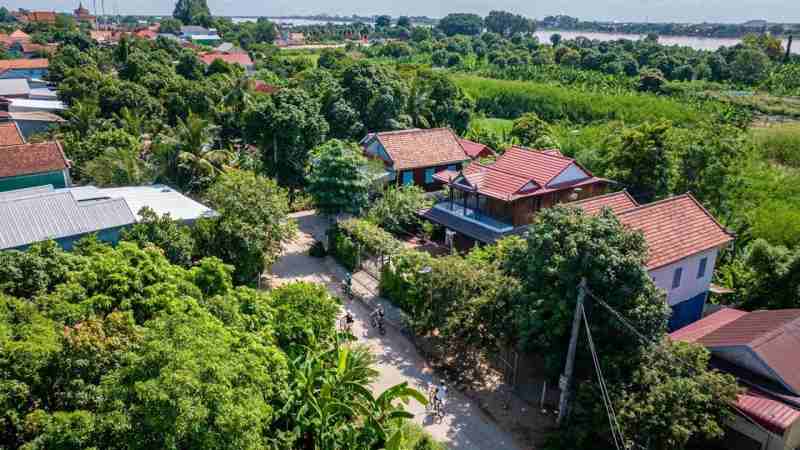
A Vietnam and Cambodia cycling tour offers travelers a fresh way to explore Southeast Asia beyond crowded buses and quick hotel stops. Riding through rice fields, rural villages, and ancient temple roads creates a deeper connection with the region.
Instead of simply visiting landmarks, you experience them slowly — with time to observe daily life and natural landscapes. Many travelers who choose cycling say the journey feels more personal and rewarding.
Tourism data shows that adventure and active travel continue growing across Asia. More visitors now prefer experiences that combine fitness, culture, and sustainability. Cycling fits perfectly into that demand.
If you want to explore Cambodia and Vietnam in a meaningful way, this approach deserves serious consideration.
Why Traditional Travel Feels Limited
Most tourists rely on private cars or tour buses. While convenient, transportation like this keeps travelers separated from local life.
You pass villages quickly without noticing small details. You miss spontaneous conversations and roadside culture.
A cycling tour removes that barrier. It slows everything down and allows real interaction. That difference changes how you see both countries.
H2: What Makes a Vietnam and Cambodia Cycling Tour Special
H3: Scenic Routes Through Diverse Landscapes
Vietnam offers flat delta regions, coastal roads, and countryside paths. Cambodia adds open farmland and historic temple surroundings.
Popular cycling areas include:
- Mekong Delta regions
- Rural roads near Ho Chi Minh City
- Routes toward Siem Reap
- Paths around Angkor Archaeological Park
Cyclists typically ride 30–60 km per day depending on fitness level. The distance remains manageable but still rewarding.
The changing scenery keeps the journey engaging from start to finish.
H3: Cultural Immersion on Two Wheels
Cycling brings you closer to communities. You stop at local markets, small shops, and family-run restaurants.
Simple greetings often lead to friendly exchanges. Even short conversations create meaningful connections.
Angkor Wat alone attracts millions of visitors every year. According to UNESCO data, it remains one of the most visited heritage sites in Southeast Asia. Arriving by bike allows you to explore early before large tour groups arrive.
That timing improves your experience significantly.
H3: Sustainable and Responsible Travel
Sustainable tourism matters today more than ever. Cycling reduces fuel consumption and lowers carbon emissions compared to motorized transport.
Many tour operators now focus on eco-friendly travel practices. They support local businesses and encourage cultural respect.
Choosing a cycling tour means contributing positively to the destinations you visit.
Actionable Strategies for Planning Your Trip
Choose the Right Season
The dry season — usually from November to April — offers better road conditions and comfortable cycling weather.
Rainy months bring greener landscapes but may create muddy sections on rural roads.
Check climate conditions before booking to avoid unexpected challenges.
Train Before Departure
Prepare your body with regular cycling sessions. Start with shorter rides and gradually increase distance.
Even moderate training improves stamina and prevents fatigue during multi-day tours.
Experienced riders still benefit from light preparation to maintain performance.
Book With a Reliable Operator
Look for tour companies that provide:
- High-quality bicycles
- Helmet and safety equipment
- Experienced local guides
- Support vehicles for emergencies
Reading reviews and confirming licensing builds trust.
Professional guides understand border crossings and local regulations. That knowledge prevents travel stress.
Common Mistakes Travelers Should Avoid
Ignoring Physical Preparation
Some travelers underestimate the physical effort required. Long rides under tropical conditions demand endurance.
Without preparation, muscle soreness and exhaustion may reduce enjoyment.
Train beforehand to avoid this issue.
Overpacking Luggage
Heavy bags make cycling harder. Pack lightweight clothing and essential travel items only.
Most organized tours transport luggage separately. Use that service wisely.
Packing smart improves comfort and flexibility.
Skipping Hydration and Rest
Hot weather increases dehydration risk. Always carry water and take scheduled rest breaks.
Hydration supports energy levels and improves overall performance.
Small breaks during rides prevent burnout.
Expert Tips for a Better Experience
Engage With Local Communities
Learn a few basic phrases in Khmer and Vietnamese. Simple words show respect and encourage friendly interaction.
Locals appreciate visitors who make an effort to communicate.
Those moments often become the highlight of the trip.
Respect Cultural Sites
When visiting temples like Angkor Wat, follow preservation rules. Avoid climbing restricted areas or touching fragile carvings.
Responsible behavior protects heritage sites for future generations.
Tour guides usually explain proper etiquette — listen carefully.
Capture Memories But Stay Present
Take photos of rice fields, temple structures, and sunset views. These landscapes create stunning memories.
However, balance photography with real-time observation.
Experiencing the moment fully makes the journey more meaningful.
Why This Tour Matters for Cambodian Travelers
For travelers based in Cambodia, exploring Vietnam through cycling builds regional awareness. It highlights similarities and differences in culture, history, and development.
Cross-border tourism also strengthens economic ties between neighboring countries. Local businesses benefit from traveler spending on food, accommodation, and services.
Industry research shows that adventure tourism continues expanding globally, especially among younger travelers seeking active experiences.
A Vietnam and Cambodia cycling tour aligns with this trend while offering practical value and personal growth.
Conclusion + CTA
A Vietnam and Cambodia cycling tour transforms travel into an immersive adventure. From rural roads to iconic temples, every kilometer reveals something new.
Cycling connects you directly with landscapes, communities, and history in a powerful way. With proper planning and preparation, the journey becomes safe, enjoyable, and rewarding.
If you want to experience Southeast Asia differently, start planning your cycling adventure today. Explore routes, choose a trusted operator, and prepare for an unforgettable ride across Vietnam and Cambodia.
Source:
Click for the: Full Story
You might like




You Might Like this