


 Close Menu
 World
World
 Biography
 Health
 Education
 Business
 Lifestyle
 Sports
 Technology
 Animals
 History
 Food
Food
 Religious
 Startups
 Movies
 Politics
 Fashion
 Covid
Covid
 Diet
Diet
 Fitness
 Marketing
 Travel
 Science
 Reviews
 Social media
 Stories
 Facts
Facts
 Art
Art
 Entertainment
Dhiman Group

Technology
From Sugar to Sweetness: The Hidden Technology Behind Your Favorite Candies in 2026
 Dhiman Group
The Secret World Inside Every Candy Factory
Every candy bar, every gummy bear, every swirling lollipop begins as simple ingredients—sugar, corn syrup, flavorings, and colorings. But the transformation from those humble starters to the perfectly shaped, consistently flavored treats we buy at stores? That happens in a world most people never see.
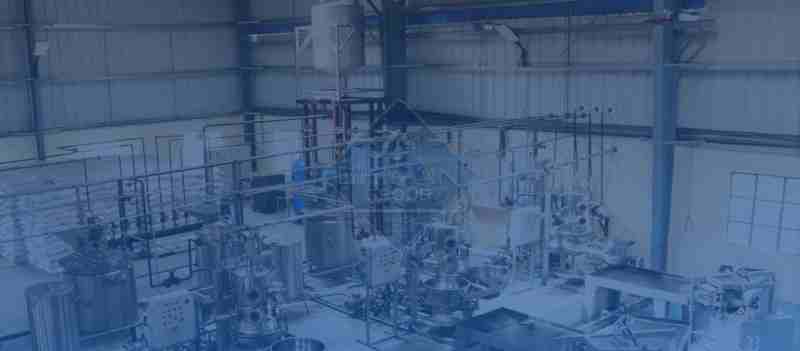
In 2026, candy factories look more like high-tech laboratories than the choppy, steam-filled rooms of old industry movies. Gleaming stainless steel machines hum with precision. Computers monitor temperatures down to a fraction of a degree. Robotic arms move with surgical accuracy. And through it all, the magic of candy making happens faster and more consistently than ever before, thanks to the innovations introduced by modern confectionery machine manufacturers.
From automated mixing systems to high-speed forming and packaging equipment, advanced confectionery technology is helping brands meet growing consumer demand while maintaining exceptional quality and hygiene standards. This is your behind-the-scenes tour of modern confectionery manufacturing and the revolutionary technology making it all possible.
The Trend That's Taking Over: Why 2026 Is the Year of Candy Automation
The confectionery industry is experiencing a massive transformation right now. Several powerful forces are driving this change:
- Rising consumer expectations for perfect consistency and premium quality
- Labor shortages making automation not just desirable but necessary
- Global competition requiring faster production at lower costs
- Regulatory pressures demanding traceability and food safety compliance
- Sustainability goals pushing for reduced waste and energy consumption
Confectionery machine manufacturers are responding with equipment that doesn't just automate tasks—it reimagines entire production processes from the ground up.
Step One: Cooking Candy to Perfection
The Science Behind the Sweet
Cooking is the most critical step in candy making. Get the temperature wrong by even a few degrees, and you'll end with a product that's too hard, too soft, or just plain wrong. This is why Continuous Vacuum Batch Cooker manufacturers have focused so intensely on precision temperature control.
Modern vacuum cooking delivers advantages that old-school methods simply cannot match:
- Cooking under vacuum lowers the boiling point, allowing candy to cook at lower temperatures
- ** gentler heat exposure** preserves volatile flavors that would evaporate at higher temperatures
- Precise moisture removal creates exact textures from soft chewy to rock hard
- No browning or caramelization unless specifically desired, keeping colors pure
- Faster cooking cycles increasing overall production throughput
Picture this: syrup cooking at 110°C instead of 150°C, reaching the exact sugar concentration needed, every single time, without a human ever touching a thermometer. That's the power of vacuum technology working invisibly in your favorite candy's creation.
Step Two: Shaping the Mass into Recognizable Forms
Where Design Meets Engineering
Once the candy syrup is cooked and cooled slightly, it becomes a thick, pliable mass ready for shaping. This is the domain of Batch Forming Machines, the workhorses that transform viscous liquid into the candies we recognize.
Modern batch forming systems offer capabilities that would amaze anyone who remembers old candy production:
- Rapid shape changes allowing producers to switch between products in minutes instead of hours
- Multiple cavity molds producing dozens of pieces simultaneously
- Temperature-controlled forming ensuring proper setting without sticking
- Integrated cooling zones that begin hardening immediately after formation
- Digital dose control guaranteeing every piece weighs exactly the same
The uniformity you expect from factory-made candy? That's batch forming technology doing its invisible work millions of times per day across the globe.
Step Three: Creating the Perfect Ball Lollipop
Round Perfection Through Mechanical Precision
Ball lollipops represent one of the most challenging candies to manufacture perfectly. They need to be truly spherical, have a smooth hard shell, contain no air pockets, and have the stick inserted at exactly the right angle. Achieving this consistently at high speed requires specialized equipment.
A ball lollipop forming machine handles this challenging task with remarkable elegance:
- Rotating mold technology that naturally creates perfect spheres through gravity and motion
- Precise syrup dosing ensuring every lollipop has identical weight and size
- Automated stick placement that inserts the stick while the candy is still pliable
- Integrated cooling tunnels that solidify the candy without cracking
- Glazing stations that add the signature shiny outer coating
Next time you hold a ball lollipop, rotate it in your hand and notice how perfectly round it is. That geometric perfection is the result of engineering that turns liquid syrup into a near-perfect sphere thousands of times per hour.
Step Four: Cutting, Wrapping, and Preparing for Sale
The Critical Final Stage
Candy that's beautifully made but poorly packaged will fail in the market. Moisture, air, and handling can all ruin even the best candy after production. The automatic cut and flow wrap machine serves as the crucial final guardian of quality.
This integrated system performs multiple critical functions:
- Precision cutting that separates connected candy pieces with clean edges
- Immediate wrapping that seals in freshness within seconds of production
- Tear-notch creation making wrappers easy for consumers to open
- Date and batch coding for traceability and expiration tracking
- Rejection systems that remove improperly wrapped pieces automatically
The crisp snap when you break a chocolate bar, the perfect seal on a gummy packet, the clean edge on a candy strip—all of these details come from automated cutting and wrapping working with millimeter precision.
The Complete Production Line: How Machines Work Together
Symphony of Synchronized Automation
What makes modern confectionery truly remarkable is how individual machines communicate and coordinate. A complete production line works like a perfectly orchestrated symphony:
- The vacuum cooker delivers syrup at exactly the right temperature and consistency
- The batch former receives that syrup and shapes it without delay
- The lollipop former takes specific portions for spherical candies
- The cut and wrap machine receives finished pieces and packages them immediately
- Every machine shares data with a central control system monitoring the entire process
This integration means that if one machine slows down, the entire line adjusts automatically. If a temperature fluctuates, the system compensates before it affects product quality. If a problem develops, operators receive alerts before defective products are made.
Quality Control in the Age of Automation
Catching Problems Before Customers Do
Modern candy factories employ quality control methods that would seem like science fiction to previous generations:
- Computer vision systems that inspect every single piece for defects
- Weight sensors rejecting any piece outside tolerance immediately
- Metal detectors and X-rays finding foreign objects before packaging
- Humidity monitoring ensuring storage conditions never compromise product
- Blockchain tracking allowing consumers to trace ingredients from source to shelf
The result? Defect rates that have dropped by over 80% compared to manual inspection methods. Your candy is safer and more consistent than ever before.
Automation Isn't Just for Giants
One common misconception is that advanced candy machinery is only for massive corporations. That's no longer true. Confectionery machine manufacturers now offer:
- Modular systems that can be expanded as production grows
- Compact footprint designs fitting into smaller facilities
- Flexible configurations handling multiple product types
- Financing options making capital costs more manageable
- Turnkey solutions including installation and training
A small artisanal candy maker can now produce with consistency that rivals industrial giants, while maintaining the creativity and uniqueness that defines their brand.
Sustainability Through Technology
Making Candy While Caring for the Planet
The environmental benefits of modern confectionery equipment extend far beyond simple energy savings:
- Precision dosing eliminates over-portioning and ingredient waste
- Water recycling systems clean equipment using far less water
- Predictive maintenance prevents catastrophic failures and product loss
- Extended shelf life through better packaging reduces food waste at retail
- Renewable energy integration allowing factories to run on solar or wind power
Consumers increasingly choose brands aligned with their values. Manufacturers using sustainable technology can honestly claim their candy is made with environmental responsibility.
The Human Story: Workers in Automated Factories
Evolving Roles, Not Eliminated Jobs
Automation changes what candy factory workers do, not whether they work. Modern factory roles now focus on:
- Operating and monitoring sophisticated control systems
- Troubleshooting and optimization keeping lines running at peak efficiency
- Recipe development creating new flavors and product variations
- Quality assurance ensuring standards are met and exceeded
- Customer collaboration working with buyers on custom products
Instead of repetitive physical labor, workers engage in skilled technical work that offers better pay, better conditions, and more interesting daily tasks.
What Consumers Should Know
Appreciating the Craft Behind the Candy
When you buy candy today, you're purchasing the result of:
- Decades of culinary tradition and recipe refinement
- Cutting-edge engineering and automation technology
- Rigorous quality control and safety protocols
- Careful ingredient sourcing and sustainability practices
- Thousands of hours of research and development
That simple candy bar or lollipop represents one of the most sophisticated manufacturing processes in the food industry.
The Future Is Sweeter Than Ever
What's Coming Next in Candy Technology
The innovation pipeline for confectionery manufacturing remains incredibly active. Exciting developments on the horizon include:
- Personalized nutrition candies with supplements tailored to individuals
- 3D printing technology creating custom shapes impossible with molds
- Alternative sweeteners processed with new equipment for better taste
- Plant-based ingredients requiring different processing approaches
- Smart packaging that indicates freshness and temperature history
The candy we'll enjoy in 2030 will be even more consistent, more innovative, and more responsibly made than what's available today.
Final Thoughts: Celebrating the Invisible Craft
We live in an age where we often take incredible technology for granted. The smartphone in your pocket contains computing power that would amaze scientists from 50 years ago. The candy in your cupboard represents similar engineering marvels.
Every time you enjoy a perfectly shaped lollipop, a consistently flavored chocolate, or a candy with the perfect texture, remember that someone designed machines to make that experience possible. Confectionery machine manufacturers and the technicians who operate their equipment are the invisible artisans ensuring sweetness reaches us in its best form. From precision molding systems to advanced automatic cut and flow wrap machine technology, modern confectionery production has become a seamless blend of speed, hygiene, and innovation.
The next time you unwrap a candy, take a moment to appreciate not just the taste, but the remarkable technology and human ingenuity that made it possible. That's the real sweetness hidden inside every piece.
Source:
Click for the: Full Story
You might like