



 Close Menu
 World
World
 Biography
 Health
 Education
 Business
 Lifestyle
 Sports
 Technology
 Animals
 History
 Food
Food
 Religious
 Startups
 Movies
 Politics
 Fashion
 Covid
Covid
 Diet
Diet
 Fitness
 Marketing
 Travel
 Science
 Reviews
 Social media
 Stories
 Facts
Facts
 Art
Art
 Entertainment
techqware

Health
How Do HIPAA Audits & Penetration Testing Impact the Cost of a Chronic Disease Management App vs a Non-Healthcare App?
 techqware
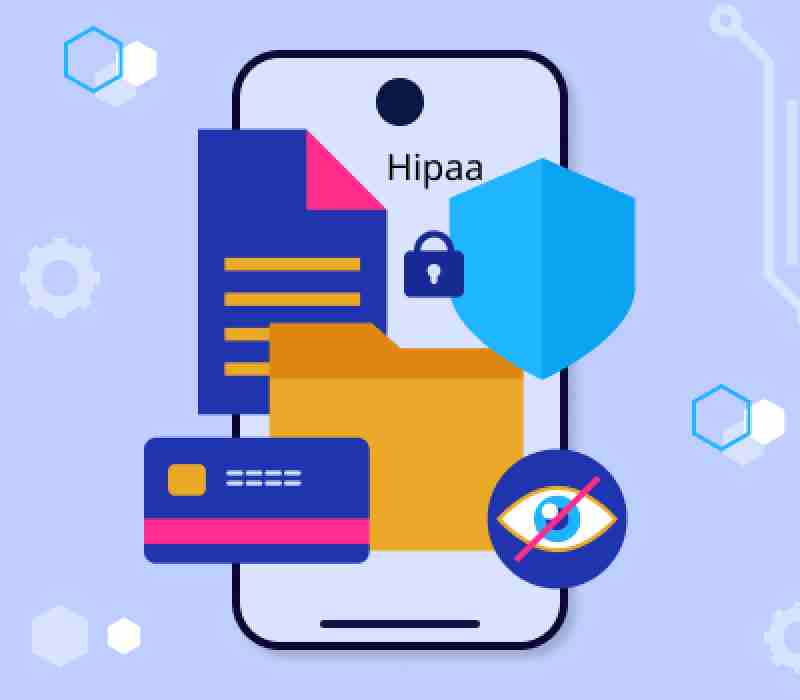
Developing a mobile app for chronic disease management is far more complex than building a standard non-healthcare application. The main reason is strict regulatory compliance, especially HIPAA, along with essential security processes like audits and penetration testing.
These requirements significantly increase both the initial development cost and long-term maintenance expenses.
Why Healthcare Apps Are More Expensive
Unlike regular apps that prioritize user experience and functionality, healthcare apps must also ensure:
- Protection of sensitive patient data
- Secure communication channels
- Legal compliance with healthcare regulations
- Continuous monitoring and security updates
Because of these additional layers, healthcare app development can cost 30% to 70% more than non-healthcare apps.
How HIPAA Compliance Impacts Development Cost
HIPAA compliance is one of the biggest cost drivers in healthcare app development. It requires developers to implement strict safeguards such as:
- End-to-end data encryption (both at rest and in transit)
- Secure authentication systems like multi-factor authentication
- Role-based access control
- Detailed audit logs of user activity
- Business Associate Agreements (BAAs) with third-party vendors
These features are not typically required in non-healthcare apps, which makes them faster and cheaper to build.
Impact of HIPAA Audits on Total Cost
HIPAA audits are conducted to ensure that your app meets all regulatory requirements. These audits involve:
- Security risk assessments
- Review of internal policies and documentation
- Validation of infrastructure and data handling processes
The cost of these audits is not just one-time. You need to conduct them regularly to stay compliant.
This adds a recurring expense that non-healthcare apps usually don’t have, making long-term maintenance significantly higher.
Role of Penetration Testing in Cost Increase
Penetration testing is a critical security measure where experts simulate cyberattacks to identify vulnerabilities in your app.
For chronic disease management apps that handle sensitive patient data, this step is essential.
It adds to the cost because:
- Testing must be thorough and conducted by certified professionals
- It is required before launch and periodically after deployment
- Any vulnerabilities found must be fixed immediately, increasing development effort
In contrast, many non-healthcare apps either skip this step or perform only basic testing.
Infrastructure and Hosting Costs
Healthcare apps must use HIPAA-compliant infrastructure, which includes:
- Secure cloud environments
- Advanced encryption protocols
- Continuous monitoring systems
- Strict access control mechanisms
These requirements increase hosting and DevOps costs compared to standard applications.
Legal and Documentation Expenses
HIPAA compliance also involves legal work such as:
- Drafting privacy policies and terms of use
- Creating compliance documentation
- Consulting legal experts
These additional steps further increase the overall budget.
Overall Cost Difference
When you combine all these factors compliance, audits, penetration testing, secure infrastructure, and legal requirements—a chronic disease management app can cost two to three times more than a non-healthcare app.
This cost difference is not just in development but also in ongoing maintenance and updates.
How to Build a HIPAA-Compliant Mobile App
Building a secure and compliant healthcare app requires a structured approach from the very beginning.
Understand HIPAA Regulations
Start by understanding the key components of HIPAA:
- Privacy Rule
- Security Rule
- Breach Notification Rule
These define how patient data must be stored, accessed, and shared.
Choose HIPAA-Compliant Infrastructure
Select cloud providers and tools that support compliance requirements such as encryption, monitoring, and secure access.
Implement Strong Security Features
Your app should include:
- End-to-end encryption
- Multi-factor authentication
- Role-based access control
- Secure APIs
These are essential for protecting sensitive health data.
Maintain Audit Trails
Every action within the app must be logged, including:
- User logins
- Data access
- Modifications
This is crucial for passing HIPAA audits.
Perform Regular Penetration Testing
Security testing should not be a one-time activity. Plan:
- Pre-launch testing
- Regular post-launch testing
This helps identify and fix vulnerabilities early.
Sign Business Associate Agreements (BAAs)
Any third-party service that handles patient data must comply with HIPAA and sign a BAA.
Secure Data Storage
Ensure that:
- Sensitive data is encrypted
- Minimal data is stored on devices
- Sessions are automatically logged out after inactivity
Train Your Development Team
Your team should be well-versed in:
- Secure coding practices
- Data privacy standards
- Compliance requirements
This reduces the risk of costly mistakes.
HIPAA Compliance Mobile App Development: Best Practices
To manage costs effectively while staying compliant:
- Design your app with a compliance-first approach
- Use pre-built HIPAA-compliant tools and services
- Automate monitoring and security alerts
- Plan audits and testing early in the development cycle
Final Thoughts
HIPAA audits and penetration testing play a major role in increasing the cost of chronic disease management apps compared to non-healthcare applications. However, these investments are essential.
They not only ensure legal compliance but also protect sensitive patient data and build user trust.
If you are planning HIPAA compliance mobile app development, it’s important to treat security and compliance as core components of your product not optional features.
Source:
Click for the: Full Story
You might like







You Might Like this