


 Close Menu
 World
World
 Biography
 Health
 Education
 Business
 Lifestyle
 Sports
 Technology
 Animals
 History
 Food
Food
 Religious
 Startups
 Movies
 Politics
 Fashion
 Covid
Covid
 Diet
Diet
 Fitness
 Marketing
 Travel
 Science
 Reviews
 Social media
 Stories
 Facts
Facts
 Art
Art
 Entertainment
Dolph Ziggler

Business
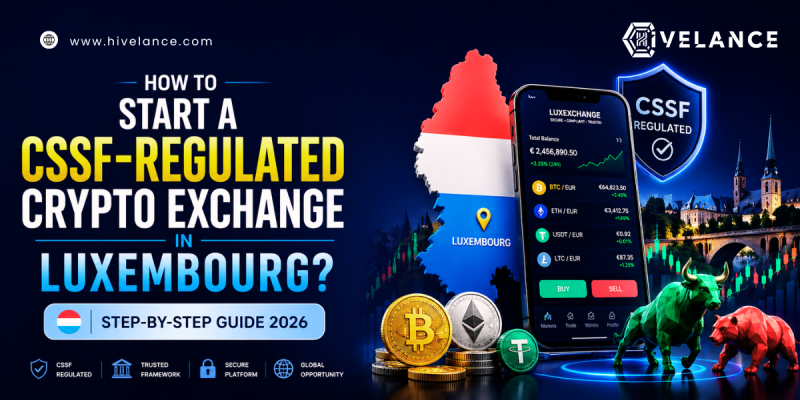
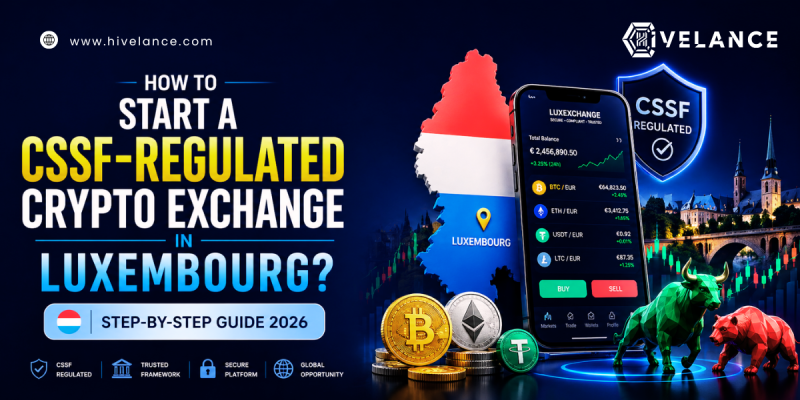
How to Start a Crypto Exchange in Luxembourg - 2026 Beginner's Guide
 Dolph Ziggler
If you’ve been thinking about launching a crypto exchange in Europe, Luxembourg deserves a serious look. It’s not the loudest name in the crypto space — but quietly, it has become one of the smartest places to build a regulated trading platform.
This guide walks you through everything you need to know — from understanding local laws to choosing the right cryptocurrency exchange script for your platform.
Why Luxembourg Makes Sense for Crypto Businesses?
Most founders jump straight to Malta or Estonia when they think about EU crypto licensing. Luxembourg rarely comes up in that conversation, which is actually an advantage — less competition, more regulatory clarity.
Here’s what makes it work:
One License, 27 Countries
Luxembourg operates inside the EU’s MiCA framework. That means once you get authorized by the CSSF (Commission de Surveillance du Secteur Financier), you can serve customers across all 27 EU member states. No need to apply separately in each country.
A Regulator That Actually Communicates
The CSSF has been one of the more straightforward regulators in Europe when it comes to crypto. They were among the first to issue clear written guidance for crypto businesses. Founders who’ve worked with regulators in other countries often note the difference.
Banking Access Is Real Here
Luxembourg has over 140 active banks. For a crypto exchange, that matters — finding a banking partner is often harder than getting licensed. The financial infrastructure here makes that step more realistic.
Skilled, Multilingual Workforce
You’ll find lawyers, compliance officers, and tech professionals in Luxembourg who have worked specifically in crypto and fintech. That saves time when you’re hiring or outsourcing.
Tax Structure Worth Noting
The country has an IP Box regime and a wide network of double tax treaties. If you’re planning to operate at scale, the structure can work in your favor.
What MiCA Means for Your Exchange in 2026?
MiCA is fully in force now. If you’re starting a crypto exchange in Luxembourg today, this is the rulebook you’re working with.
MiCA covers:
Crypto-Asset Service Providers (CASPs) — exchanges, brokers, custody services, portfolio managers
Asset-Referenced Tokens (ARTs) — stablecoins tied to multiple assets
Electronic Money Tokens (EMTs) — stablecoins pegged to a single fiat currency
Other Crypto-Assets — require a whitepaper and disclosure before listing
The good news: Luxembourg’s CSSF has aligned its local processes with MiCA, so you’re not navigating two separate systems. One authorization process covers both.
Step-by-Step: How to Start a Crypto Exchange in Luxembourg
Step 1 — Learn the Rules Before You Build
Before writing a single line of code or spending on development, understand what the CSSF expects. Read through MiCA’s requirements for CASPs. Know what AML policies are required, how capital requirements work, and what ongoing reporting looks like.
Skipping this step costs money later.
Step 2 — Decide What Kind of Exchange You’re Building
Are you building a centralized exchange (CEX), a decentralized one (DEX), or something in between? This affects your licensing requirements, your technology choices, and your compliance setup.
Also decide early what features you need:
Spot trading only, or derivatives too?
Crypto-to-crypto, or fiat on/off ramps?
Staking, lending, or custody services?
Each feature adds a layer to your compliance checklist.
Step 3 — Register Your Company in Luxembourg
You need a legal entity in Luxembourg before you can apply to the CSSF. Most founders set up a private limited company (S.à r.l.) or a public limited company (S.A.).
You’ll also need a physical presence — not just a registered address. The CSSF expects key management to actually be based in Luxembourg.
Step 4 — Choose Your Cryptocurrency Exchange Script
Building a crypto exchange from scratch takes 12–18 months and significant capital. Most founders use a cryptocurrency exchange script instead — pre-built software that you customize for your brand and features.
When evaluating scripts, look for:
A high-performance matching engine
Built-in AML/KYC integration
Multi-currency wallet support
Liquidity API connections
Admin dashboard with compliance tools
Security features (2FA, cold storage, encryption)
A good cryptocurrency exchange script cuts your launch timeline down to weeks rather than months — and it comes with a tested codebase rather than one built in a rush.
Step 5 — Apply for CSSF Authorization
This is the core step. Your CSSF application will need:
A detailed business plan
AML/CFT policies
Organizational structure and key personnel details
IT and security documentation
Capital proof
Compliance officer appointment
The CSSF reviews everything carefully. Incomplete or vague applications get rejected or delayed. Having a Luxembourg-based compliance lawyer review your documents before submission is worth the cost.
Step 6 — Customize the Platform
Your cryptocurrency exchange script gives you the foundation. What you build on top of it is your brand. Customize the UI/UX, set up trading pairs, configure fee structures, and integrate any unique features that match your target market.
Step 7 — Set Up AML/KYC Systems
This isn’t optional. You need automated identity verification, transaction monitoring, and suspicious activity reporting built into your platform from day one.
Choose a verified KYC provider that integrates with your cryptocurrency exchange script. Make sure your policies are documented clearly — the CSSF will ask for them.
Step 8 — Connect Liquidity and Payment Gateways
An exchange with no liquidity has no users. Integrate with established liquidity providers early. On the fiat side, connect payment gateways that support EUR deposits and withdrawals — this is often what separates usable exchanges from ones that struggle to grow.
Step 9 — Security First, Always
Before launch, your platform needs:
Cold wallet storage for most assets
Multi-signature authorization for withdrawals
End-to-end encryption
DDoS protection
Regular penetration testing
One security incident can end a crypto exchange. This isn’t an area to cut corners.
Step 10 — Test Everything
Run full functional testing, load testing, and third-party security audits before going live. Fix what breaks. Then test again.
Step 11 — Launch and Maintain Compliance
After launch, your compliance work doesn’t stop. You’ll have ongoing reporting to the CSSF, regular AML audits, and MiCA-related updates to stay current with.
Build a compliance calendar. Assign responsibility. Stay ahead of regulatory changes.
Mistakes That Sink Applications Early
Learning from other people’s mistakes is faster and cheaper than making your own.
Weak AML Documentation
The CSSF takes AML/CFT policies seriously. Generic templates don’t work. Your policies need to reflect your actual business model and risk exposure.
No Real Management in Luxembourg
Listing a local address but having all decision-makers based elsewhere raises red flags. You need actual management presence in the country.
No IT Security Plan
The CSSF will ask technical questions. If you don’t have a documented IT security framework ready, expect delays.
Ignoring the Travel Rule
The VASP Travel Rule requires certain transaction data to be shared between exchanges. Building this in late is complicated. Build it in from the start.
Banking Last
Getting CSSF approval and then discovering you can’t open a bank account is a painful situation. Start your banking conversations while your application is in review.
Listing MiFID Tokens Without Authorization
Some crypto assets qualify as financial instruments under MiFID II. Listing them without additional authorization creates regulatory exposure.
Final Thoughts
Starting a crypto exchange in Luxembourg is not a shortcut — but it is a structured path with clear rules, real infrastructure, and access to the entire EU market.
The combination of CSSF oversight, MiCA compliance, and a strong financial ecosystem makes Luxembourg genuinely competitive for founders who want to build something that lasts.
Using a reliable cryptocurrency exchange script reduces your technical risk and speeds up your timeline. Pair that with proper legal and compliance support, and you have a realistic path to launching a regulated platform in 2026.
Contact for more info
Call/WhatsApp – +918438595928
Telegram – HiveLance
https://www.hivelance.com/cryptocurrency-exchange-script
Source:
Click for the: Full Story
You might like