


 Close Menu
 World
World
 Biography
 Health
 Education
 Business
 Lifestyle
 Sports
 Technology
 Animals
 History
 Food
Food
 Religious
 Startups
 Movies
 Politics
 Fashion
 Covid
Covid
 Diet
Diet
 Fitness
 Marketing
 Travel
 Science
 Reviews
 Social media
 Stories
 Facts
Facts
 Art
Art
 Entertainment
alivia Rosario

Business
Interior Remodeling Ideas That Make Small Spaces Feel Surprisingly Large
 alivia Rosario
Not every home has the luxury of expansive square footage. But a smaller home does not have to feel cramped, cluttered, or limiting. Thoughtful interior remodeling can dramatically change how a compact space feels and functions, sometimes making it feel twice as large without adding a single square foot. The secret lies in smart design, strategic storage, and the right material choices.
Understanding How Space Perception Works
Before diving into specific strategies, it helps to understand why some spaces feel larger than others. Ceiling height, natural light, color palette, furniture scale, and visual flow all play major roles in how we perceive space. When remodeling a small area, addressing these elements deliberately creates a sense of openness that goes far beyond the actual measurements of the room.
Lighter Colors Open Up Any Room Instantly
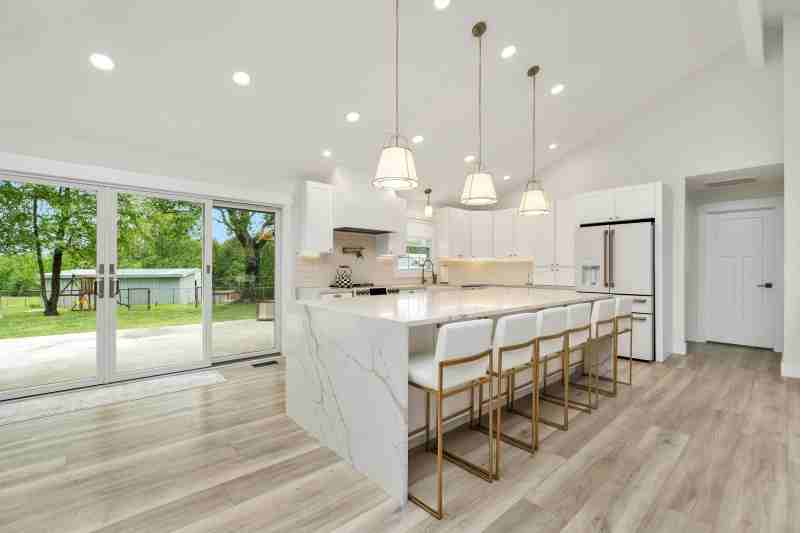
Color is one of the most powerful and cost-effective tools in any remodeling project. Light tones, whites, soft grays, warm creams, and pale blues reflect light rather than absorbing it. This creates an airy, open feeling that makes rooms appear significantly larger. This principle applies to walls, cabinetry, and even flooring choices. A light-toned hardwood or large-format tile in a pale color can completely change the perceived size of a room.
Smart Storage Solutions That Disappear Into the Design
Clutter is the enemy of any small space. Custom built-in storage solves this problem elegantly because it uses every available inch without adding visual weight to the room. Built-in shelving, window seat storage benches, under-stair drawers, and cabinet-integrated appliances all help you store what you need without sacrificing the feeling of openness.
For a home interior renovation focused on smaller spaces, these storage ideas consistently work well:
- Floor-to-ceiling cabinetry in kitchens to maximize vertical space
- Recessed medicine cabinets in bathrooms to eliminate bulky protrusion
- Built-in bookshelves flanking windows or fireplaces
- Murphy beds in guest rooms or multifunctional spaces
- Toe-kick drawers in kitchens for surprisingly usable bonus storage
Open Floor Plans and Visual Flow
One of the most impactful changes in a small home remodel is opening up the floor plan by removing non-load-bearing walls. This creates a connected living area that feels more generous and lets natural light flow through the space more freely. A kitchen that opens into a dining area, or a living room that connects naturally to an entryway, fundamentally changes how a home feels to move through.
Mirrors and Glass: The Illusion of More Space
Strategic use of mirrors and glass elements can make a meaningful difference in how large a space feels. A large mirror on a feature wall effectively doubles the visual depth of a room. Glass-front cabinet doors in a kitchen create depth without sacrificing storage. A frameless glass shower enclosure in a small bathroom keeps the visual field open rather than dividing the room.
Lighting That Lifts the Ceiling
Recessed lighting eliminates the visual clutter of hanging fixtures and keeps the ceiling line clean, making it feel higher. Layered lighting, combining ambient, task, and accent sources, adds dimension to small rooms and prevents the flat, dim feeling that makes compact spaces feel even smaller. Well-lit spaces always feel more generous and inviting.
Conclusion
Interior remodeling a small home or a compact room is not about compromising on your vision. It is about working smarter with the space you have. With the right design strategies, quality materials, and experienced professionals guiding the process, even the most compact spaces can feel genuinely comfortable, stylish, and surprisingly spacious.
Source:
Click for the: Full Story
You might like