



 Close Menu
 World
World
 Biography
 Health
 Education
 Business
 Lifestyle
 Sports
 Technology
 Animals
 History
 Food
Food
 Religious
 Startups
 Movies
 Politics
 Fashion
 Covid
Covid
 Diet
Diet
 Fitness
 Marketing
 Travel
 Science
 Reviews
 Social media
 Stories
 Facts
Facts
 Art
Art
 Entertainment
Shikharsparx

Technology
Renewable Energy Software Development: Driving Efficiency, Sustainability, and Smarter Energy Systems
 Shikharsparx
How can renewable energy providers scale operations while maintaining efficiency, compliance, and cost control?
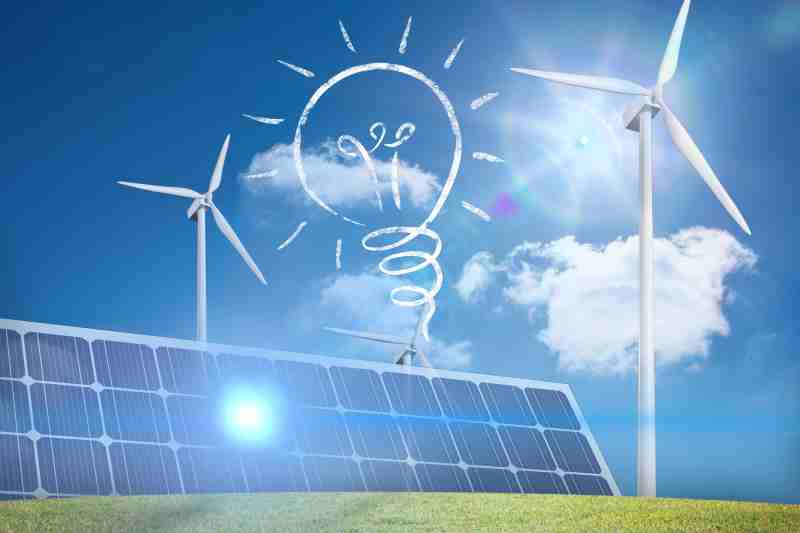
As the global shift toward clean energy accelerates, technology has become the backbone of modern renewable energy operations. Solar farms, wind parks, grid operators, and energy startups increasingly rely on intelligent digital systems to manage assets, forecast production, and optimise energy distribution.
Renewable energy software development plays a critical role in enabling this transformation by connecting data, automation, and analytics into a unified digital ecosystem.
Understanding Renewable Energy Software Development
Renewable energy software development refers to the design and implementation of digital solutions that support the planning, generation, monitoring, distribution, and optimisation of renewable energy resources.
These platforms are built to handle complex energy workflows, large datasets, and real-time operational insights. Unlike generic enterprise software, renewable energy solutions must integrate with physical infrastructure, weather systems, regulatory frameworks, and energy markets.
Modern energy software focuses on scalability, interoperability, and long-term sustainability.
Why Renewable Energy Companies Need Custom Software
Off-the-shelf solutions often fail to address the unique operational challenges of renewable energy projects.
Custom software allows energy providers to align technology with specific asset types, geographic conditions, and regulatory requirements. It also enables seamless integration with existing hardware and third-party platforms.
Renewable energy software development empowers organisations to move from reactive operations to predictive and data-driven decision-making.
Core Areas Where Renewable Energy Software Adds Value
Energy Generation Monitoring
Software platforms track real-time energy output from solar panels, wind turbines, and hydro assets. This visibility helps operators detect performance issues early and maximise production efficiency.
Asset Performance Management
Digital systems monitor equipment health, maintenance cycles, and degradation patterns. This reduces downtime and extends asset lifespan.
Energy Forecasting and Planning
Advanced analytics enable accurate forecasting based on weather data, historical trends, and grid demand. This improves energy scheduling and market participation.
Grid Integration and Load Balancing
Software solutions help manage grid connectivity, ensuring stable energy distribution while preventing overloads and energy losses.
Key Features of Renewable Energy Software Solutions
Real-Time Data Analytics
Energy platforms process large volumes of operational data to provide actionable insights. This supports faster decision-making and improved system responsiveness.
IoT and Sensor Integration
Renewable energy software integrates with sensors and control systems to collect accurate field data. This ensures continuous visibility across distributed assets.
Automation and Control Systems
Automated workflows reduce manual intervention in energy dispatch, fault detection, and system adjustments.
Regulatory and Compliance Reporting
Built-in reporting tools help organisations meet regional and international energy regulations while maintaining audit readiness.
Role of AI and Data Analytics in Renewable Energy Software Development
Artificial intelligence enhances the intelligence and adaptability of energy platforms.
Machine learning models improve demand forecasting, anomaly detection, and predictive maintenance. AI-driven insights help operators reduce energy waste and optimise system performance.
Data analytics also supports long-term planning by identifying usage patterns, seasonal trends, and infrastructure gaps.
Cloud and Edge Computing in Renewable Energy Systems
Cloud platforms provide the scalability required to manage geographically distributed energy assets.
Centralised cloud systems enable secure data storage, analytics, and collaboration. Edge computing complements this by processing critical data closer to the energy source, reducing latency and improving response times.
Renewable energy software development increasingly relies on hybrid architectures to balance performance and cost efficiency.
Cybersecurity Considerations in Renewable Energy Software
Energy infrastructure is a critical target for cyber threats.
Secure software design includes encrypted data transmission, access control mechanisms, and continuous system monitoring. Protecting operational technology and customer data is essential for maintaining trust and regulatory compliance.
Cybersecurity is no longer optional in renewable energy software projects.
Industry Use Cases of Renewable Energy Software
Solar Energy Management Platforms
Software tracks panel performance, inverter health, and energy output across large solar installations.
Wind Farm Optimisation Systems
Digital tools analyse turbine performance, wind patterns, and maintenance schedules to improve efficiency.
Energy Trading and Market Platforms
Software supports dynamic pricing, demand response, and energy trading activities in competitive markets.
Microgrid and Storage Management
Advanced platforms manage energy storage, grid independence, and backup systems for remote or hybrid installations.
Challenges in Renewable Energy Software Development
Data Complexity
Energy systems generate vast and diverse datasets that must be processed accurately and securely.
Integration with Legacy Infrastructure
Older energy systems often require custom integrations to work with modern digital platforms.
Regulatory Variability
Energy regulations differ across regions, requiring adaptable and compliant software architectures.
Scalability Requirements
Energy projects grow over time, demanding flexible systems that can scale without performance degradation.
Best Practices for Building Renewable Energy Software
Modular Architecture
Designing modular systems allows easier upgrades and future expansion.
Interoperability Standards
Using open standards ensures compatibility with third-party tools and hardware.
User-Centric Design
Intuitive dashboards and controls improve adoption among operators and stakeholders.
Continuous Monitoring and Optimisation
Ongoing performance tracking ensures systems remain efficient and reliable.
Future Trends in Renewable Energy Software Development
Digital twins are gaining traction for simulating energy systems and testing scenarios before deployment. Blockchain is being explored for transparent energy trading and decentralised grids.
AI-driven automation will continue to reduce operational costs while improving energy efficiency. Sustainability reporting and carbon tracking will also become integral software features.
Renewable energy software development will increasingly focus on resilience, intelligence, and long-term environmental impact.
Conclusion
Renewable energy is no longer driven solely by infrastructure investments. Software has become the defining factor in operational success, efficiency, and scalability.
Renewable energy software development enables organisations to manage complex energy systems, optimise performance, and meet sustainability goals with confidence. Companies that invest in tailored digital solutions gain a competitive advantage while contributing to a cleaner energy future.
As the energy sector continues to evolve, software will remain the foundation that transforms renewable potential into measurable outcomes.
Source:
Click for the: Full Story
You might like









You Might Like this