


 Close Menu
 World
World
 Biography
 Health
 Education
 Business
 Lifestyle
 Sports
 Technology
 Animals
 History
 Food
Food
 Religious
 Startups
 Movies
 Politics
 Fashion
 Covid
Covid
 Diet
Diet
 Fitness
 Marketing
 Travel
 Science
 Reviews
 Social media
 Stories
 Facts
Facts
 Art
Art
 Entertainment
Ecotone

Technology
Why Every Noisy Industrial Site Needs a Soundproof Container
 Ecotone
Walk past any construction yard, power plant, or manufacturing unit, and the noise hits you before anything else does. Generators roar, compressors hum, and machines clang away for hours on end. For workers standing next to that racket all day, it's not just annoying — it's a genuine health hazard. This is exactly where a soundproof container earns its place on site.
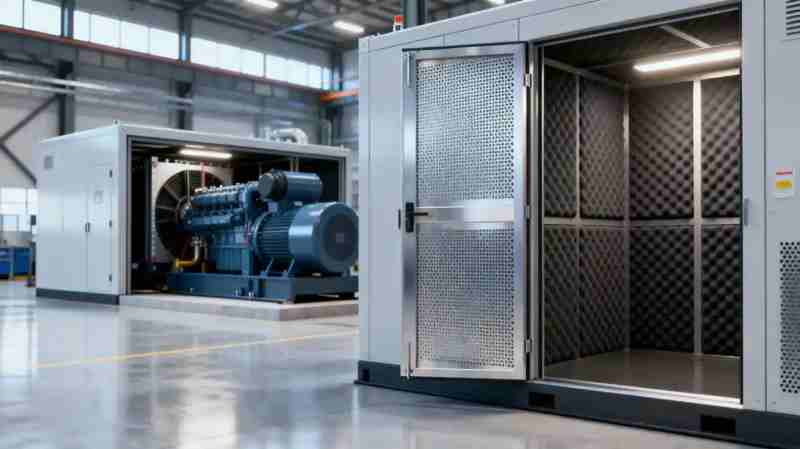
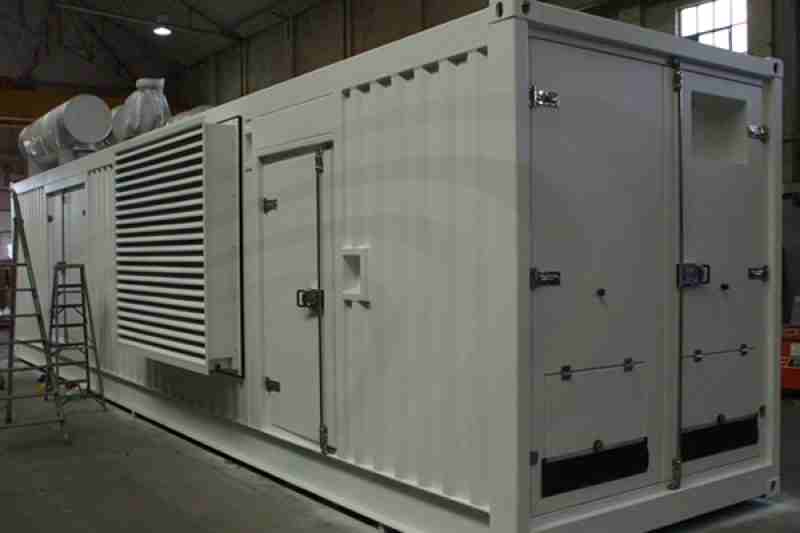
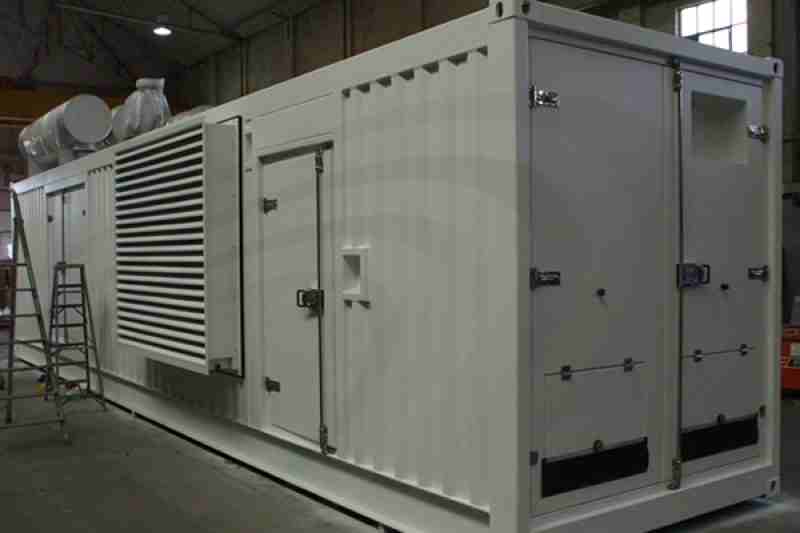
A soundproof container is essentially a modified enclosure, often built from a repurposed or custom-fabricated steel shell, lined with acoustic insulation to trap sound inside instead of letting it spread across a facility. Unlike a standard shipping container, it's engineered specifically to block noise transmission while still being portable, weatherproof, and easy to install wherever it's needed.
What Makes a Soundproof Container Different
The magic isn't in the outer shell — it's in the layers inside. A well-built soundproof container typically combines dense mineral wool or foam insulation, perforated steel panels, and airtight seals around every joint, door, and vent. Together, these elements absorb sound waves rather than reflecting them, which is why a properly designed unit can cut noise levels by 25 to 40 decibels compared to an open environment.
This makes a soundproof container ideal for housing diesel generators, compressors, pumps, and other machinery that would otherwise turn a workplace into an unbearable environment. It's also increasingly used as control rooms, operator cabins, and even temporary site offices where a quiet interior matters just as much as protection from dust and weather.
Where Soundproof Containers Are Used
Industries dealing with constant mechanical noise are the biggest adopters of this technology. Oil and gas facilities, power generation plants, mining operations, and heavy manufacturing units all rely on a soundproof container to keep equipment noise contained without shutting down operations. Because these units are modular, they can be relocated as project needs shift, which saves considerable time and cost compared to building permanent brick-and-mortar structures.
Beyond industrial use, soundproof containers are also finding their way into urban construction sites, event spaces, and even recording or testing environments where external noise interference simply isn't acceptable.
Choosing the Right Manufacturer
Not every soundproof container performs the same way, and that's where experience matters. Companies like Ecotone Systems have spent decades refining acoustic engineering for demanding industrial environments, and that expertise shows in the way their enclosures are designed — with proper ventilation, fire safety compliance, and long-term durability built in from the start. A poorly insulated unit might look similar on the outside but fail to deliver the acoustic performance a facility actually needs.
When evaluating a soundproof container manufacturer, it helps to ask about transmission loss ratings, material certifications, and after-installation support. Ecotone Systems, for instance, is known for combining ISO-certified manufacturing processes with custom engineering, which means each soundproof container is tailored to the specific noise profile of the equipment it's meant to house.
Final Thoughts
A soundproof container isn't just a box with insulation slapped on — it's a carefully engineered solution to a very real workplace problem. As industries continue to prioritize employee wellbeing alongside operational efficiency, demand for reliable acoustic enclosures keeps growing. Choosing an experienced provider like Ecotone Systems ensures that the container you install doesn't just look the part but actually performs where it counts — keeping noise in, and peace of mind intact.
Source:
Click for the: Full Story
You might like