Close Menu
 World
World
 Biography
 Health
 Education
 Business
 Lifestyle
 Sports
 Technology
 Animals
 History
 Food
Food
 Religious
 Startups
 Movies
 Politics
 Fashion
 Covid
Covid
 Diet
Diet
 Fitness
 Marketing
 Travel
 Science
 Reviews
 Social media
 Stories
 Facts
Facts
 Art
Art
 Entertainment
alexander isakk

Business
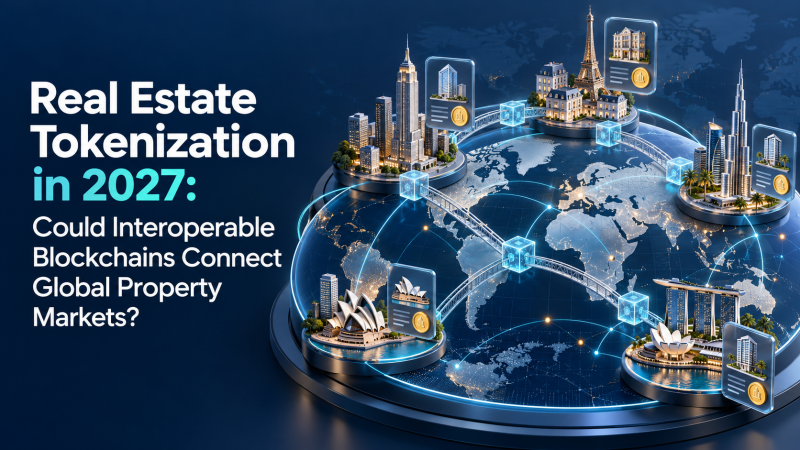
Real Estate Tokenization in 2027: Could Interoperable Blockchains Connect Global Property Markets?
 alexander isakk
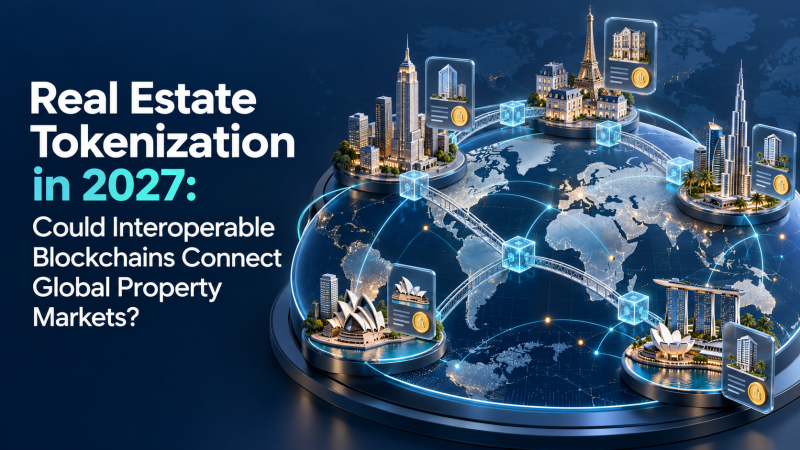
Real estate has traditionally operated through local property laws, banking systems, registries, brokers, custodians, and settlement networks. These systems differ from one country to another, which makes international property investment difficult. Real estate tokenization introduces another possibility by representing property-related rights through blockchain-based tokens. However, if property tokens remain confined to separate blockchain networks, the global market could become fragmented into disconnected digital ecosystems.
In 2027, interoperability could become an important topic for businesses working on real estate tokenization. Interoperable blockchains could allow tokenized property assets, investor identities, compliance records, payments, and ownership data to communicate across different networks. This does not mean that property ownership would automatically become global or that legal requirements would disappear. Instead, interoperability could provide technical connections between systems while local laws continue to govern the underlying property rights.
What Does Real Estate Tokenization Mean in 2027?
Real estate tokenization refers to representing economic interests or ownership-related rights connected to property through blockchain-based tokens. Depending on the legal structure, a token could represent an interest in a property-holding company, a fund, debt secured by property, revenue rights, or another legally defined arrangement.
A real estate tokenization company may create a platform where properties are assessed, legal structures are established, tokens are issued, investors are onboarded, and transactions are recorded. The blockchain component is only one part of the overall model. Legal agreements, property records, investor eligibility, custody arrangements, tax treatment, and compliance procedures also matter.
By 2027, businesses may be looking beyond the simple question of whether property can be tokenized. They may also ask whether tokens issued on different networks can interact without forcing investors and operators to remain inside one blockchain environment.
Why Could Blockchain Interoperability Matter for Property Markets?
Property markets are naturally fragmented. A commercial building in Singapore operates under a different legal system from an apartment complex in Dubai or an office property in London. Even when two properties are tokenized, their supporting infrastructure may use different blockchains, wallets, identity systems, payment networks, and compliance tools.
Without interoperability, investors could face separate accounts and procedures for every tokenized property ecosystem. A token issued on one network may have limited usefulness outside that network. This could restrict secondary trading and make portfolio management more complicated.
Interoperability could allow different blockchain networks to exchange selected information or value through established communication mechanisms. For example, an investor holding a compliant property token on one network could potentially interact with an asset issued on another network through a connected infrastructure layer.
The practical result would depend heavily on legal agreements, technical standards, custody arrangements, and regulatory requirements. Blockchain connectivity by itself would not create international property ownership.
How Could Interoperable Blockchains Connect Different Property Platforms?
A possible model would involve multiple blockchain networks communicating through interoperability protocols. One network might host property tokens, another could handle identity information, while another could support settlement or payment functions.
Suppose a real estate asset tokenization company issues tokens representing an interest in a commercial property. The asset may be recorded on Blockchain A. An investor identity service could operate on Blockchain B, while payment settlement could happen through Blockchain C.
An interoperability layer could allow these systems to exchange approved information. When an investor attempts to purchase the property token, the system could check the relevant eligibility information, confirm transaction requirements, and coordinate settlement across the connected networks.
This model could become particularly relevant for real estate tokenization platform development because businesses may not want their entire infrastructure tied to one blockchain.
Method 1: Standardized Property Token Frameworks
One method for improving interoperability would be the adoption of common token standards and data structures.
Different property platforms could use compatible formats for information such as asset identifiers, token supply, investor restrictions, transfer rules, income distribution records, and jurisdictional requirements. When platforms follow similar standards, software systems have a better chance of interpreting information consistently.
For a real estate tokenization development company, this could mean designing token contracts and supporting databases with interoperability requirements in mind from the beginning. The platform could maintain information that describes the asset, its legal structure, transfer restrictions, and investor permissions.
Standardization would not make different legal systems identical. It would simply provide a common technical language for participating systems.
Method 2: Cross-Chain Communication Protocols
Cross-chain protocols can provide communication between separate blockchain networks. In a property market context, these systems could potentially relay transaction information, token status, or other permitted data between networks.
For example, a property token might exist on one blockchain while a payment token exists on another. A cross-chain mechanism could coordinate the transaction so that the relevant conditions are met before settlement occurs.
For real estate token development, this creates additional technical considerations. Smart contracts would need rules for verifying messages received from another network. Businesses would also need to consider what happens when a connected network becomes unavailable or sends incorrect information.
Method 3: Interoperable Identity and Compliance Systems
Global property investment requires more than blockchain connectivity. Investor identification and compliance checks are also important.
A multi-chain property ecosystem could use identity systems that allow verified investor information to be recognized across approved platforms without requiring the same onboarding process every time. For instance, an investor who has completed certain verification requirements could potentially present an accepted credential when accessing another property marketplace.
A real estate tokenization platform development company could incorporate identity verification, jurisdiction checks, investor classifications, transaction monitoring, and wallet permissions into its platform architecture.
The exact approach would depend on the jurisdictions involved. Privacy requirements also need consideration because investors may not want personal information recorded directly on public blockchains.
Method 4: Cross-Chain Settlement for Property Transactions
Settlement is another area where interoperability could have an impact. Property tokens may involve payments, distributions, redemptions, and secondary transactions.
Imagine an investor in India purchasing an eligible tokenized property interest issued through a platform operating in another jurisdiction. The transaction could involve an investor wallet, a property token, a regulated payment mechanism, and several compliance checks.
Interoperable infrastructure could coordinate these components. Rather than requiring every service to operate on the same blockchain, different networks could perform specific functions while communicating with one another.
This approach could make cross-border property transactions more connected, although banking rules, foreign investment regulations, taxation, securities laws, and property laws would still apply.
Could Interoperability Improve Global Property Liquidity?
One frequently discussed benefit of tokenization is the possibility of creating more accessible markets for fractional property interests. Interoperability could extend this concept by connecting different marketplaces.
A tokenized office property listed on one platform might potentially reach eligible investors using another compatible marketplace. However, this would require more than technical connectivity. The asset would need to meet the receiving marketplace's listing requirements, investor eligibility rules, custody standards, and regulatory conditions.
If these conditions are met, interoperability could provide a larger digital environment for property-related assets. It could also give investors a more unified view of holdings across multiple platforms.
This is where businesses researching the best real estate tokenization companies may pay attention to infrastructure rather than only token issuance features. A platform's ability to interact with external networks could become an important consideration.
What Could Interoperability Mean for Real Estate Businesses?
Property owners, developers, investment firms, fund managers, and financial institutions could use interoperable infrastructure for different purposes.
A property developer could issue an interest in a development project on one network while using a separate compliance system for investor verification. A fund manager could hold several tokenized property interests across different networks and use portfolio software to monitor them through a common interface.
For a real estate tokenization company, interoperability could also create opportunities to connect property marketplaces with payment systems, custody services, identity providers, analytics platforms, and financial applications.
However, businesses would need to decide which components should remain under their control and which should connect to external infrastructure.
What Challenges Could Prevent Global Blockchain Connectivity?
Interoperability does not remove the differences between property markets. Legal ownership remains governed by the jurisdiction where the property exists and by the structure used to issue the token.
A token representing an interest in a property-holding company is not necessarily equivalent to a direct land title. Investors would need to understand exactly what rights their tokens provide.
Technical risks also matter. Cross-chain bridges and messaging systems can introduce security concerns. If one blockchain has different transaction rules from another, synchronizing their records can become complicated.
There are also questions around data accuracy. A blockchain can record that a token was transferred, but it cannot independently determine whether an underlying property has been legally transferred, whether taxes were paid, or whether a regulatory filing was completed.
Therefore, future platforms may require a combination of blockchain infrastructure, legal frameworks, regulated intermediaries, identity systems, and reliable external data sources.
How Should Businesses Approach Real Estate Tokenization Development in 2027?
Businesses considering a new platform could begin by identifying the property types and jurisdictions they intend to support. A platform intended for one domestic property market may have very different requirements from one designed for multiple countries.
The next step could involve selecting the token structure, blockchain networks, custody model, identity system, compliance process, and payment infrastructure. Interoperability should then be considered as part of the technical architecture rather than added only after the platform has been launched.
A real estate tokenization development company may also evaluate whether the platform should support one blockchain initially or multiple networks. Starting with a limited network environment could reduce technical complexity, while the architecture could retain provisions for future connections.
The goal should be to match the technical design with the actual business and regulatory model rather than adding cross-chain functionality simply because it is available.
Could Interoperability Support a More Connected Global Property Market?
The possibility exists, but the outcome will depend on several factors. Blockchain networks need compatible communication standards. Property platforms need consistent data structures. Identity and compliance systems need ways to recognize approved participants. Payment and custody infrastructure must also work across jurisdictions.
Most importantly, governments and regulators determine how property rights, securities, investment restrictions, taxation, and financial transactions are treated.
Therefore, interoperable blockchains should be viewed as technical infrastructure rather than a replacement for established property systems. Their potential lies in connecting digital components that currently operate separately.
By 2027, the discussion around real estate tokenization may therefore move from simply issuing property tokens toward connecting tokenized assets, investors, marketplaces, payment networks, and compliance systems across multiple blockchain environments.
Conclusion
Interoperable blockchains could provide a technical foundation for connecting tokenized property markets across different networks, but their practical use will depend on legal structures, regulatory requirements, identity systems, data standards, custody, payments, and blockchain security. Real estate tokenization could become more interconnected when platforms can communicate without requiring every asset and service to operate on one network. Businesses planning real estate tokenization development in 2027 may therefore consider interoperability when selecting blockchain architecture, token standards, investor onboarding systems, and settlement infrastructure. The broader opportunity is not simply moving property records onto blockchains, but creating connected digital markets where eligible property interests can interact across compatible systems while respecting local property and financial rules. Blockchain App Factory provides Real estate tokenization development services.
FAQs
1. What is real estate tokenization?
Real estate tokenization is the process of representing ownership interests, economic rights, or other legally defined interests related to property through blockchain-based tokens.
2. What does blockchain interoperability mean for real estate?
Blockchain interoperability refers to the ability of different blockchain networks to communicate or exchange approved information and value. In real estate, this could connect property tokens, payment systems, identity services, and marketplaces operating on different networks.
3. Could interoperable blockchains support cross-border property investment?
They could provide technical connections for cross-border transactions, but eligibility would still depend on property laws, securities regulations, foreign investment rules, taxation, investor requirements, and other regulations in the relevant jurisdictions.
4. Why could interoperability matter for a real estate tokenization platform?
A platform connected to multiple blockchain networks could potentially interact with different token ecosystems, payment systems, identity providers, and marketplaces instead of depending on one blockchain environment.
5. What is real estate token development?
Real estate token development involves creating blockchain-based tokens that represent a legally defined interest associated with a property, property portfolio, fund, debt arrangement, or another real estate structure.
6. What technologies could support interoperable property platforms?
Potential technologies include cross-chain messaging protocols, blockchain bridges, smart contracts, token standards, decentralized identity systems, APIs, oracle networks, custody infrastructure, and digital payment systems.
7. Will interoperability make property ownership global?
No. Blockchain interoperability can connect digital systems, but property ownership remains subject to the laws and legal processes of the relevant jurisdiction. A blockchain connection does not automatically create legal ownership rights.
8. What should businesses consider before launching a tokenized property platform?
Businesses should examine the legal structure, property jurisdiction, token classification, investor eligibility, compliance procedures, custody, blockchain selection, payment methods, smart contracts, data management, security, and potential interoperability requirements.
Source:
Click for the: Full Story
You might like