Close Menu
 World
World
 Biography
 Health
 Education
 Business
 Lifestyle
 Sports
 Technology
 Animals
 History
 Food
Food
 Religious
 Startups
 Movies
 Politics
 Fashion
 Covid
Covid
 Diet
Diet
 Fitness
 Marketing
 Travel
 Science
 Reviews
 Social media
 Stories
 Facts
Facts
 Art
Art
 Entertainment
Yatin Samra

Technology
Real Estate Tokenization Platform Development: Everything You Need to Know
 Yatin Samra
Introduction
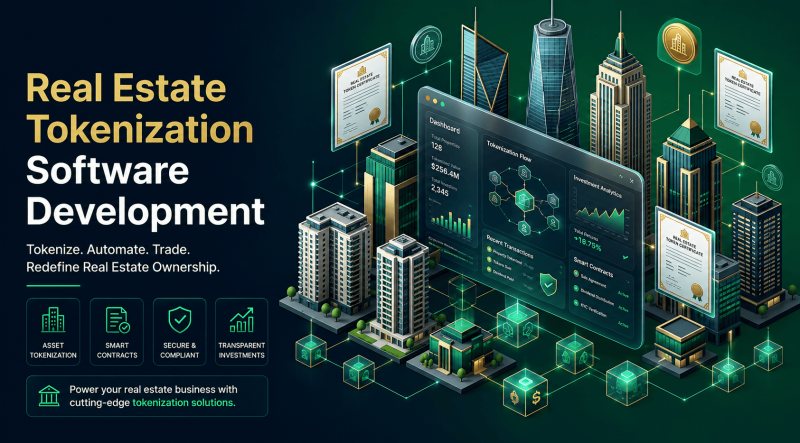
The real estate market is experiencing a revolution with the implementation of blockchain technology. One of the most fascinating innovations within the real estate industry is real estate asset tokenization. It involves the conversion of physical property into digital tokens representing fractional ownership of that property. The technology makes real estate investment more accessible, transparent, and fluid, as well as removing the usual barriers like capital constraints and prolonged processes of investment.
With the increasing interest in finding out how to ensure diversification of their investment portfolio safely and efficiently, more and more businesses are willing to make investments in real estate tokenization platforms. The use of blockchain technology, smart contracts, and digital asset management helps to facilitate the processes of property transactions and make them more accessible for global investments. Here you can read everything about real estate tokenization platforms development.
What Is Real Estate Asset Tokenization?
Real estate asset tokenization is the process of converting ownership rights of a physical property into blockchain-based digital tokens. Each token represents a fractional share of the asset, allowing multiple investors to own portions of the same property.
Unlike traditional real estate investments, tokenization enables faster transactions, greater liquidity, and lower investment barriers.
How Does a Real Estate Tokenization Platform Work?
A tokenization platform typically follows these steps:
- Property evaluation and verification
- Legal compliance and documentation
- Asset digitization
- Smart contract creation
- Token issuance
- Investor onboarding and KYC verification
- Token trading and ownership management
This process ensures secure, transparent, and compliant property investments.
Benefits of Real Estate Tokenization
Businesses and investors benefit from tokenization in several ways:
- Fractional ownership
- Increased liquidity
- Lower investment entry barriers
- Faster transactions
- Global investor access
- Enhanced transparency
- Improved security
- Automated ownership management
These advantages are driving the adoption of blockchain in the real estate sector.
🎥 Learn More About Real Estate Tokenization
Interested in building your own tokenization platform?
To know more about this, click the video link below and discover the latest technologies, development strategies, and best practices for real estate asset tokenization.
https://www.youtube.com/watch?v=k4h_qrifwpgEssential Features of a Real Estate Tokenization Platform
A successful platform should include:
Investor Management
- User registration
- Identity verification (KYC)
- Investor dashboard
- Portfolio tracking
Property Management
- Property listings
- Digital asset management
- Ownership records
- Property documentation
Blockchain Integration
- Smart contracts
- Token issuance
- Wallet integration
- Secure blockchain transactions
Financial Features
- Payment gateway
- Dividend distribution
- Transaction history
- Investment analytics
Admin Panel
- Property approval
- User management
- Compliance monitoring
- Reporting dashboard
Technologies Used in Tokenization Platform Development
Modern tokenization platforms are built using:
- Blockchain (Ethereum, Polygon, Solana)
- Smart Contracts
- AI-powered analytics
- Cloud Computing
- REST APIs
- Web3 Wallet Integration
- Data Encryption
- Multi-factor Authentication
These technologies ensure security, scalability, and transparency.
Step-by-Step Development Process
1. Define Business Objectives
Identify:
- Target investors
- Property types
- Revenue model
- Regulatory requirements
2. Choose the Right Blockchain
Select a blockchain based on:
- Transaction speed
- Security
- Scalability
- Smart contract capabilities
- Cost efficiency
3. Develop Smart Contracts
Smart contracts automate:
- Ownership transfers
- Dividend payments
- Investor agreements
- Compliance checks
Automation minimizes manual intervention and increases transparency.
4. Build User-Friendly Applications
Develop intuitive interfaces for:
- Investors
- Property owners
- Administrators
Responsive design improves user engagement.
5. Implement Security Measures
Protect the platform through:
- Data encryption
- Multi-factor authentication
- Secure wallet integration
- Continuous monitoring
- Smart contract audits
Security is essential for protecting digital assets.
6. Test Before Deployment
Perform:
- Functional testing
- Performance testing
- Security testing
- Smart contract audits
- User acceptance testing
Comprehensive testing ensures platform stability.
Revenue Models for Tokenization Platforms
Businesses can generate revenue through:
- Token issuance fees
- Transaction commissions
- Platform subscription plans
- Asset listing fees
- Premium investor services
A diversified monetization strategy supports sustainable growth.
Challenges in Real Estate Tokenization
Some common challenges include:
- Regulatory compliance
- Blockchain scalability
- Smart contract vulnerabilities
- Market adoption
- Investor education
- Data privacy concerns
Working with experienced blockchain developers helps overcome these challenges.
Future Trends in Real Estate Asset Tokenization
The future of real estate asset tokenization includes:
- AI-powered investment analytics
- Cross-border tokenized investments
- Decentralized finance (DeFi) integration
- NFT-backed property ownership
- Automated compliance solutions
- Digital identity verification
- Institutional blockchain adoption
- Multi-chain tokenization platforms
These innovations are reshaping the future of property investment.
Why Businesses Should Invest in Tokenization Platforms
Real estate tokenization offers businesses:
- New investment opportunities
- Expanded global investor access
- Greater operational efficiency
- Reduced administrative costs
- Enhanced transaction transparency
- Improved liquidity
- Faster fundraising
- Long-term scalability
Choosing the Right Development Partner
An experienced blockchain development company can help you:
- Build secure tokenization platforms
- Develop audited smart contracts
- Ensure regulatory compliance
- Integrate Web3 wallets
- Create scalable blockchain infrastructure
- Deliver seamless user experiences
- Optimize platform performance
- Provide post-launch support
Conclusion
The future of property investments is being shaped by blockchain through the tokenization of real estate assets. Tokenizing real estate allows firms to increase liquidity, provide fractional ownership, and bring on board global investors. Developing a secure and scalable tokenization platform requires the proper blend of blockchain, regulation, smart contracts, and design. With growing adoption, investment in the development of a tokenization platform for real estate will place firms at the leading edge of PropTech and the digital asset space.
Source:
Click for the: Full Story
You might like