


 Close Menu
 World
 Biography
 Health
 Education
 Business
 Lifestyle
 Sports
 Technology
 Animals
 History
 Food
 Religious
 Startups
 Movies
 Politics
 Fashion
 Covid
 Diet
 Fitness
 Marketing
 Travel
 Science
 Reviews
 Social media
 Stories
 Facts
 Art
 Entertainment
Arsh Deen

Entertainment
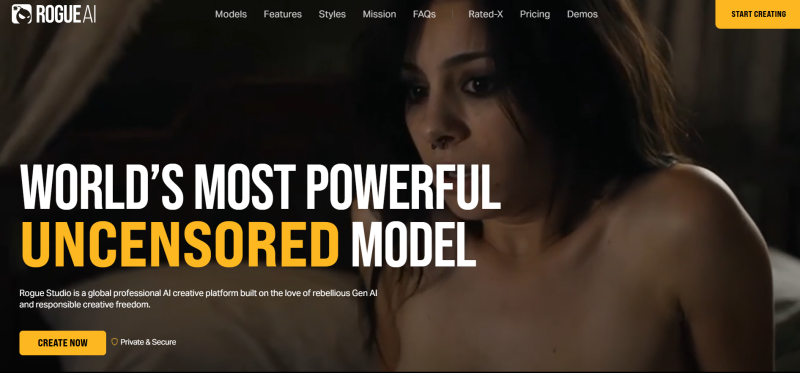
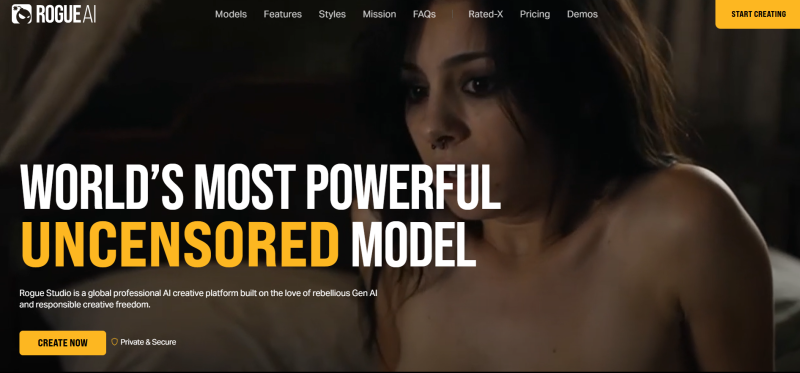
Rogue Studio AI: Uncensored AI Video Creation
 Arsh Deen
Artificial intelligence is changing the way creators produce visual entertainment. Image generation, video synthesis, character development, and automated editing are giving filmmakers new ways to turn creative concepts into finished visual material. As the technology develops, demand is also growing for platforms that provide greater creative flexibility across different genres and audiences.
Rogue Studio AI is positioning itself in this evolving market with a platform focused on AI-powered image and video creation. Its offering brings together character references, video generation, audio capabilities, editing options, and access to multiple AI models. The objective is to give creators a shared environment where they can develop visual concepts, direct scenes, and produce content suited to different creative requirements.
The platform also has a distinct position in the adult-oriented generative media market. Its approach combines mature-content creation options with published restrictions intended to prevent illegal and abusive material. Alongside this focus, Rogue Studio AI supports wider creative categories, including science fiction, fantasy, horror, noir, westerns, and other forms of visual entertainment.
A New Production Model for Independent Visual Creators
Traditional video production often requires cameras, locations, performers, lighting equipment, editing software, and coordination between different professionals. Although these resources remain important, AI technology is creating additional ways to develop visual projects.
With AI video creation, a creator can start with a written concept, generate character references, and produce moving scenes through selected models. This process can reduce certain production barriers, particularly for independent filmmakers and digital creators who do not have access to large production facilities.
Rogue Studio AI is built around this changing environment. Rather than concentrating on one generation function, it brings several creative capabilities together. Users can work with visual references, generate images and videos, and use additional tools to refine their material.
Similarly, the growing interest in AI cinematic films reflects a demand for production methods that offer more flexibility. Creators may want to test a scene before committing to a larger project or develop visual concepts that would be difficult to produce physically.
The platform's broader direction is to support these activities through an integrated creative environment.
Character References and Scene Controls Support More Directed Videos
One challenge in generative video production is maintaining visual consistency. A character may appear in several scenes, but independently generated footage can introduce changes in facial features, clothing, and other recognizable details.
Rogue Studio AI addresses this requirement through reference-based workflows that allow users to guide character appearances with visual material. This can be useful for creators developing recurring characters across multiple scenes.
Establishing Character Identity Before Production
Character development is an important part of visual storytelling. Audiences need to recognize the same character as a story moves between locations, scenes, and camera angles.
Reference images can help creators establish a visual identity before generating additional footage. For example, a filmmaker working on a science-fiction project may first develop a central character and then use references to guide later scenes.
These workflows can also support AI story creation. Rather than beginning with unrelated clips, creators can establish the appearance and visual direction of their characters before moving into video production.
Guiding Video Composition With Visual References
The beginning and ending of a video sequence can influence its overall composition and movement. Rogue Studio AI provides start-frame and end-frame controls in supported workflows, allowing users to guide the visual direction of generated footage.
The platform's broader creative capabilities include:
- Image generation for characters, environments, and visual concepts.
- Video generation for scenes and short sequences.
- Character-reference workflows for recurring visual identities.
- Start-frame and end-frame controls for guided compositions.
- Audio-related generation capabilities.
- Editing and upscaling options for generated material.
- Access to multiple AI models for different creative requirements.
These options give creators several ways to manage production. Initially, they can establish the appearance of a character or environment. Subsequently, they can use those references to guide additional generations and refine the resulting footage.
Multiple Creative Genres Give the Platform a Wider Audience
Rogue Studio AI is not limited to one type of visual content. Its creative direction includes science fiction, fantasy, horror, noir, westerns, thrillers, and mature entertainment.
This range is relevant because different genres require different visual approaches. A science-fiction project may depend on futuristic environments and fictional technology, while horror production often uses atmosphere, lighting, and dramatic composition to create suspense.
Likewise, fantasy creators may use AI-generated environments and character references to build fictional worlds. These applications show how an AI film generator can support projects with different visual requirements.
Rogue Studio AI films can be developed around these varied creative directions. Users can test different styles, compare generation results, and work toward a more consistent appearance across scenes.
However, visual quality alone does not determine whether a film succeeds. Character motivation, pacing, narrative structure, and scene continuity remain important parts of cinematic storytelling.
An Integrated Toolkit Brings Different Production Functions Together
The generative media market includes platforms specializing in individual tasks. Some focus on images, others on video, and separate services may be required for audio or editing. Moving between multiple tools can make production more complicated.
Rogue Studio AI takes a broader approach by bringing different creative functions into one environment. Its access to multiple models gives users options for different generation requirements, while character references and scene controls support more directed workflows.
As an AI creative studio, the platform is intended for several types of users:
- Independent filmmakers developing original visual projects.
- Digital creators producing entertainment and social content.
- Agencies preparing promotional visuals and creative concepts.
- Studios testing AI-assisted production methods.
- Artists experimenting with different visual styles.
The combination of these capabilities can support AI film creation from early concept development through scene generation and refinement. In comparison to workflows that rely on a single generation method, access to different models can give creators more options when a particular visual result is difficult to achieve.
The Rogue Studio AI tools are therefore relevant to more than one production stage. Their usefulness depends on how effectively creators combine them to meet the needs of each project.
Mature Video Creation Operates Alongside Clear Content Restrictions
Rogue Studio AI also serves creators interested in mature visual content. Its positioning as an uncensored AI studio reflects an effort to provide greater creative flexibility for adult-oriented projects while maintaining restrictions against illegal and abusive material.
This distinction matters in the generative media market. Some creators work on mainstream entertainment, while others develop fictional mature concepts for adult audiences. Platforms serving these different requirements need clear rules about acceptable use.
For users interested in adult visuals, an adult AI picture generator may be one part of a wider creative workflow involving character development and video production. However, the use of real people's likenesses, private images, or sensitive references requires particular care.
The platform's published restrictions prohibit child sexual abuse material, non-consensual intimate imagery, and unauthorized uses of real people's likenesses, among other prohibited content.
These boundaries are important because generative technology can create material that raises questions about privacy, consent, and identity. Creators should review current platform policies and ensure they have the necessary rights and authorization for any references they use.
Human Creative Direction Remains Central to AI Storytelling
The availability of generative technology does not remove the need for creative decisions. A collection of visually impressive clips is not automatically a compelling film.
AI storytelling still depends on characters, narrative structure, pacing, and a clear reason for each scene. AI can generate visual material, but creators decide how that material contributes to a larger story.
Rogue Studio AI supports the production side of this process through image generation, reference-based workflows, video capabilities, and editing options. Creators remain responsible for choosing scenes, directing character appearances, and deciding how the final project should develop.
We are likely to see greater collaboration between filmmakers and generative systems as the technology advances. They can use AI to test visual ideas and prepare production material while retaining creative control over the final work.
Admittedly, generated footage may require multiple attempts and manual adjustments. Still, these workflows can provide independent creators with additional ways to develop projects without depending entirely on traditional production resources.
What Creators Should Evaluate Before Selecting a Platform
Choosing a generation platform involves more than reviewing a few sample images or videos. Creators should assess whether its features match their production requirements.
A practical evaluation of Rogue Studio AI should consider:
- Character consistency: Can recurring characters maintain recognizable appearances across scenes?
- Video quality: Do available models produce footage suited to the intended genre?
- Scene direction: Are reference images and composition controls available?
- Audio capabilities: Can the platform support the sound requirements of a project?
- Editing options: Are there tools for refining and preparing generated material?
- Pricing and usage limits: Do available subscription plans match the expected workload?
- Content policies: Are privacy, consent, and moderation rules suitable for the intended work?
These factors can help users determine whether the platform fits their creative process. The value of AI video production ultimately depends on the quality of the results, the time required to produce them, and how well the available tools support real projects.
Conclusion
Rogue Studio AI represents a growing category of generative platforms that combine image generation, video creation, character references, audio capabilities, and access to different AI models. Its focus on creative flexibility gives independent filmmakers, digital artists, and adult creators additional ways to develop visual projects.
The platform's broader direction is to support different genres and production requirements within one creative environment. Rather than treating video generation as an isolated activity, Rogue Studio AI brings several stages of visual development together.
As generative technology continues to develop, human direction will remain essential to meaningful storytelling. AI can help create characters, environments, and moving scenes, but creators determine how those elements become a connected visual experience.
By combining mature-content options with wider creative capabilities and published content restrictions, Rogue Studio AI is positioning itself within the changing AI entertainment market. Its future progress will depend on how effectively its tools support consistent visuals, directed scenes, and responsible creative production.
Source:
Click for the: Full Story
You might like







You Might Like this