Close Menu
 World
World
 Biography
 Health
 Education
 Business
 Lifestyle
 Sports
 Technology
 Animals
 History
 Food
Food
 Religious
 Startups
 Movies
 Politics
 Fashion
 Covid
Covid
 Diet
Diet
 Fitness
 Marketing
 Travel
 Science
 Reviews
 Social media
 Stories
 Facts
Facts
 Art
Art
 Entertainment
Vibhor Saini

Food
Sesame Seeds Manufacturers: How Quality Can Shape Your Buying Decisions
 Vibhor Saini
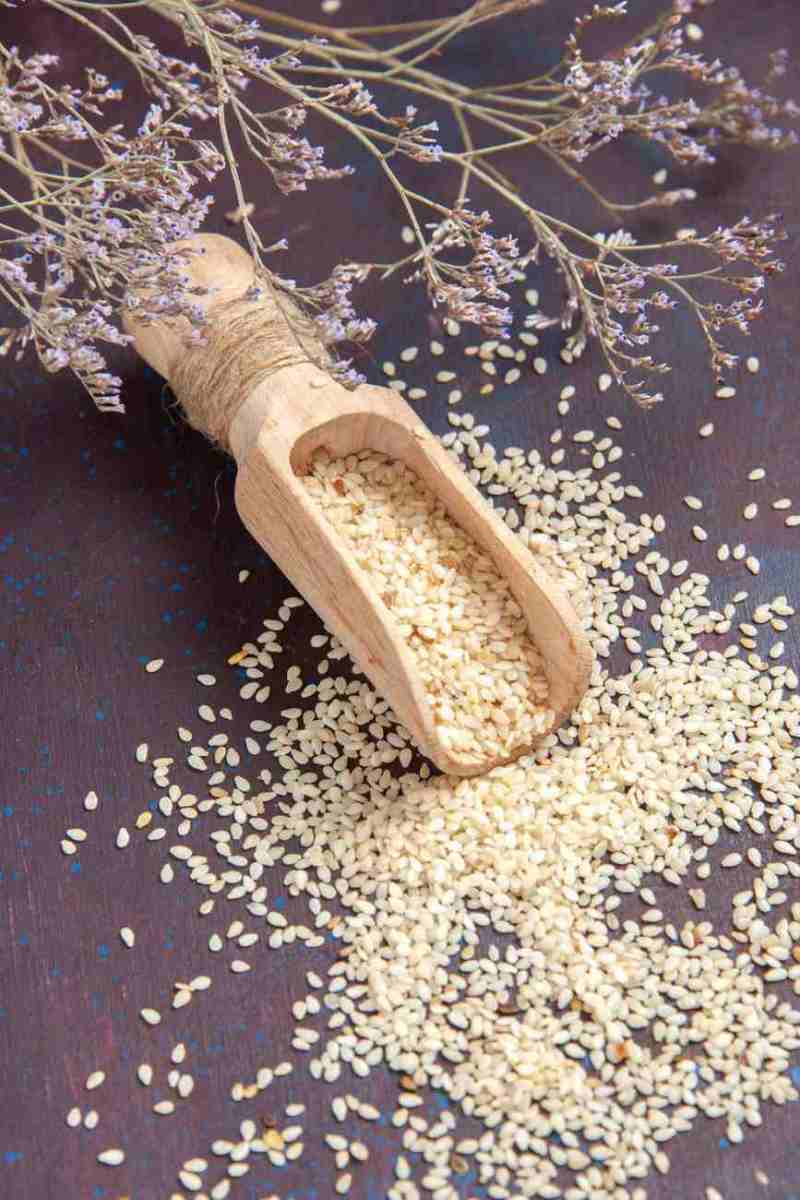
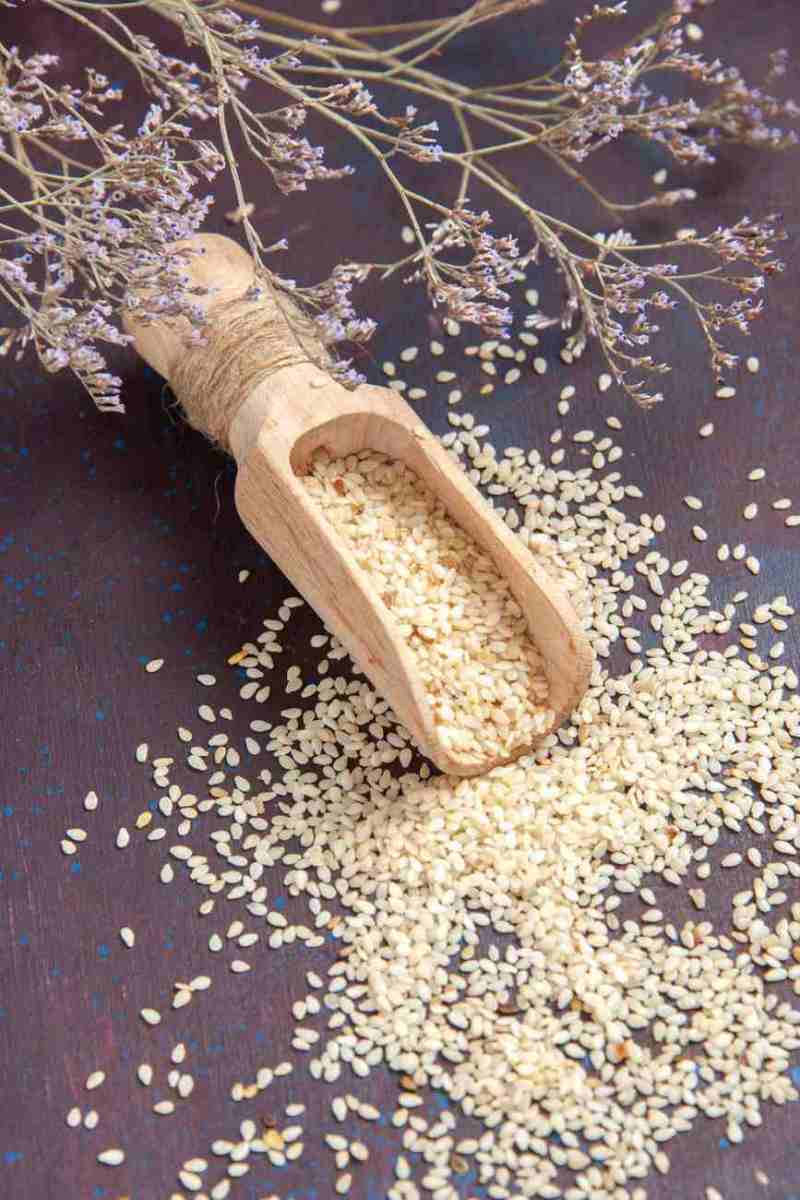
Sesame seeds are widely used across food processing, bakery products, confectionery, oil production, seasoning, snacks, and other commercial applications. As demand grows, buyers are becoming more careful about the quality and consistency of the raw material they purchase. Price still matters, but it is no longer the only factor that determines a good sourcing decision.
For businesses, choosing the right Sesame Seeds Manufacturers can influence product quality, production efficiency, storage performance, supply continuity, and overall procurement costs. A supplier that consistently meets agreed specifications can make purchasing more predictable, while inconsistent material may create additional processing or operational challenges.
This is why commercial buyers need to understand what quality actually means, how it can be evaluated, and which factors should be considered before selecting a sourcing partner.
Why Sesame Seed Quality Matters to Businesses
Sesame seeds can vary considerably depending on their source, handling, storage, and intended application. Factors such as cleanliness, moisture, appearance, uniformity, foreign material, and physical condition can influence how the product performs during processing.
For example, a food manufacturer may require clean and uniform seeds suitable for a specific recipe or production process. An oil processor may have different requirements, while a wholesaler may place greater emphasis on appearance, packaging, quantity, and commercial consistency.
Therefore, the best product is not necessarily the most expensive one. It is the product that meets the buyer's defined requirements consistently.
Businesses should establish their quality expectations before approaching suppliers. This makes supplier comparison more objective and helps prevent misunderstandings during procurement.
What Should Buyers Expect From Sesame Seeds Manufacturers?
A dependable manufacturer or sourcing partner should provide more than a product quotation. Buyers should evaluate the complete supply capability behind the product.
Important considerations include:
- Product specifications
- Quality consistency
- Sourcing practices
- Available quantities
- Cleaning and handling processes
- Storage conditions
- Packaging options
- Delivery capability
- Documentation
- Communication and service
The exact importance of each factor depends on the buyer's application. However, considering these areas together gives businesses a more realistic picture of supplier suitability.
Quality Parameters Buyers Should Check
Quality should be measurable wherever possible. Instead of relying only on descriptions such as “premium” or “high quality,” buyers should discuss specific product characteristics with the supplier.
Cleanliness and Foreign Material
Clean sesame seeds are important for commercial processing and food applications. Buyers should understand the supplier's approach to removing unwanted material and maintaining agreed cleanliness standards.
Moisture
Moisture can influence storage stability and product condition. Buyers should establish appropriate specifications according to the intended use and storage environment.
Appearance and Uniformity
Colour, size, and overall appearance can matter particularly for food, bakery, confectionery, and packaged products. Consistency can also make production and quality control easier.
Seed Condition
Damaged, deteriorated, or unsuitable seeds can affect processing performance. Businesses should discuss the expected physical condition of the material before purchasing.
Application-Specific Requirements
There is no universal quality checklist. A buyer should define specifications according to whether the sesame seeds are intended for food manufacturing, oil production, trading, bakery applications, or another purpose.
Why Consistency Is More Important Than One Good Shipment
One successful order does not necessarily prove that a supplier can support long-term procurement.
For businesses with recurring requirements, consistency between shipments is critical. Significant differences in quality can create problems in production planning, inventory management, processing, and customer expectations.
When evaluating Sesame Seeds Manufacturers, buyers should therefore consider whether the supplier can maintain agreed specifications over multiple orders.
A useful approach is to document the required specifications and use them as a reference for future consignments. Where appropriate, buyers can also evaluate samples before committing to larger or recurring purchases.
How to Evaluate Sesame Seeds Manufacturers in India
Businesses researching Sesame Seeds Manufacturers in India should look beyond online visibility and promotional claims. A structured evaluation can make the selection process more reliable.
Start by defining the requirement:
- What type of sesame seeds do you need?
- What quantity is required?
- What quality specifications apply?
- What is the intended application?
- What packaging is preferred?
- Where must the product be delivered?
- How frequently will you purchase?
Once these requirements are clear, businesses can compare suppliers based on their actual capabilities.
Ask potential suppliers about sourcing, available quantities, quality controls, storage, packaging, delivery schedules, and relevant documentation.
The goal is to determine whether the supplier's capabilities match the buyer's operational needs rather than simply selecting the most visible company.
Understanding Sesame Seeds Suppliers in India
The terms manufacturer and supplier can sometimes overlap in agricultural commodity markets. A business may source, clean, grade, package, trade, distribute, or perform several of these functions.
Therefore, buyers researching Sesame Seeds Suppliers in India should clarify exactly what the company does.
A supplier may provide access to different varieties or quantities through its sourcing network, while another company may have more direct processing or handling capabilities. Neither model is automatically better. The right option depends on the buyer's requirements.
Before placing an order, businesses should confirm:
- Product availability
- Quality specifications
- Order quantity
- Packaging
- Delivery timeline
- Payment conditions
- Documentation
- Recurring supply capability
Clear communication at this stage can prevent many procurement issues later.
What Makes Sesame Seeds Brands in India Worth Considering?
Brand recognition can make supplier research easier, but businesses should not treat popularity as a substitute for measurable quality.
When comparing Sesame Seeds Brands in India, buyers should consider the systems behind the brand.
A strong brand should ideally demonstrate:
- Consistent product standards
- Reliable sourcing
- Appropriate handling
- Suitable packaging
- Supply capability
- Clear product information
- Responsive customer service
For commercial buyers, operational performance is often more important than brand visibility. A familiar name may attract attention, but consistent quality and dependable fulfillment are what make a supplier useful over time.
Why Price Alone Should Not Decide Your Purchase
Price is an important part of procurement, but the cheapest quotation is not necessarily the most economical option.
Suppose a lower-priced shipment contains inconsistent material or requires additional handling. The buyer may experience higher processing costs, product losses, delays, or additional quality-control requirements.
Similarly, paying more for specifications that the business does not actually need may also reduce procurement efficiency.
A better approach is to evaluate total procurement value.
This can include:
Product price + freight + packaging + handling + quality-related costs + supply risks
Looking at the complete cost allows businesses to make decisions based on value rather than the headline quotation alone.
The Role of Storage and Handling in Sesame Seed Quality
Quality can be affected after sourcing if agricultural commodities are stored or transported under unsuitable conditions.
Businesses should therefore ask potential suppliers about storage arrangements, handling procedures, packaging, and transportation practices.
Buyers should also consider their own storage conditions after receiving the shipment. Appropriate inventory planning can help avoid unnecessarily long storage periods and reduce avoidable risks.
For recurring procurement, establishing clear expectations around handling and storage can contribute to more predictable product performance.
How Businesses Can Improve Sesame Seed Procurement
A structured purchasing process can reduce uncertainty and improve supplier relationships.
Define Specifications Before Negotiating
Clearly document the product type, quality requirements, quantity, packaging, delivery location, and intended use.
Compare Multiple Qualified Options
Do not compare companies only by price. Assess quality, capacity, logistics, service, and commercial terms together.
Request Samples Where Appropriate
For significant purchases, a representative sample can help buyers evaluate whether the product meets their requirements before making a larger commitment.
Confirm Commercial Terms
Discuss pricing, freight, packaging, payment terms, delivery schedules, and responsibilities before confirming an order.
Monitor Supplier Performance
For recurring purchases, track quality consistency, delivery performance, communication, and overall value.
This creates an evidence-based approach to procurement and makes future supplier decisions easier.
Valency Agro and Sesame Seed Sourcing
Businesses researching agricultural commodity sourcing may come across Valency Agro while evaluating potential sesame seed supply options.
As with any potential sourcing partner, buyers should assess the offering according to their own requirements. Product specifications, quantity, packaging, delivery expectations, documentation, and commercial terms should all be discussed before making a procurement decision.
For businesses developing recurring purchasing arrangements, Valency Agro can be evaluated alongside other potential sourcing options using the same objective criteria.
This approach keeps the focus on suitability, consistency, and commercial requirements rather than relying only on brand familiarity.
A successful supplier relationship should ultimately be based on clear expectations and reliable performance.
How Quality Can Improve Business Outcomes
Quality is not simply a product characteristic. It can influence several parts of a business operation.
Consistent raw material can support smoother production planning. Suitable product specifications can reduce unnecessary processing adjustments. Reliable supply can make inventory planning easier. Clear documentation can simplify procurement and quality-control procedures.
These benefits can contribute to better operational predictability.
For this reason, businesses should think about sesame quality in terms of its overall impact on the supply chain rather than viewing it only as a purchasing specification.
Building Long-Term Relationships With Reliable Suppliers
For businesses with recurring sesame requirements, a long-term supplier relationship can provide operational advantages when it is managed properly.
Once specifications, packaging requirements, ordering procedures, and delivery expectations are established, future purchases can become more efficient.
However, businesses should continue monitoring supplier performance. Important indicators include:
- Quality consistency
- Order fulfillment
- Delivery reliability
- Communication
- Documentation
- Commercial competitiveness
- Ability to respond to changing requirements
Periodic reviews help ensure that the supplier continues to meet the business's needs as volumes and market conditions change.
What Businesses Should Look for Before Choosing a Supplier
The right sourcing partner is not necessarily the largest company or the one offering the lowest price.
Instead, businesses should look for the best fit between their requirements and the supplier's capabilities.
A practical evaluation should answer five basic questions:
Does the product meet our specifications?
Can the supplier provide the required quantity?
Can quality remain consistent across orders?
Can the supplier meet our packaging and delivery requirements?
Does the total procurement value make commercial sense?
If the answer to these questions is clear, businesses are in a much stronger position to make an informed sourcing decision.
Frequently Asked Questions
1. How do I choose the right Sesame Seeds Manufacturers?
Compare product quality, sourcing capabilities, bulk supply capacity, consistency, packaging, storage, logistics, documentation, and commercial terms. The right manufacturer should match your specific product and business requirements.
2. What quality factors should I check before buying sesame seeds?
Depending on the application, buyers may consider cleanliness, moisture, foreign material, appearance, uniformity, seed condition, packaging, and other agreed product specifications.
3. Are Sesame Seeds Manufacturers in India suitable for bulk buyers?
Yes, businesses can source sesame seeds in commercial quantities, but capabilities vary between companies. Buyers should confirm quantity availability, specifications, packaging, delivery, and recurring supply capacity before ordering.
4. What is the difference between sesame seed manufacturers and suppliers?
The terms can overlap. Some businesses focus on sourcing and distribution, while others may handle cleaning, grading, processing, or packaging. Buyers should confirm the exact role and capabilities of each company.
5. How can I compare Sesame Seeds Suppliers in India?
Evaluate suppliers on quality, consistency, quantity capacity, sourcing, packaging, storage, logistics, documentation, service, and total procurement cost rather than comparing only quoted prices.
6. Are Sesame Seeds Brands in India important for commercial buyers?
A brand can provide recognition and a reference point, but commercial buyers should prioritize measurable quality, consistent supply, product suitability, and overall procurement value.
7. Should I request a sesame seed sample before placing a bulk order?
For significant or recurring purchases, evaluating a representative sample can be useful. Buyers should compare the sample against clearly defined specifications before making a larger commitment.
8. Can Valency Agro be considered for sesame seed sourcing?
Businesses can evaluate Valency Agro according to their specific requirements, including product specifications, quantity, packaging, delivery expectations, documentation, and commercial terms.
9. Why is consistency important when purchasing sesame seeds?
Consistent quality can support predictable production, processing, inventory management, and finished-product outcomes. Significant variation between shipments may create additional operational challenges.
10. How can businesses build a reliable sesame seed supply chain?
Define clear specifications, compare qualified suppliers, verify quality, evaluate samples where appropriate, confirm complete commercial terms, plan procurement in advance, and monitor supplier performance over time.
Conclusion
Choosing the right sesame sourcing partner requires more than comparing prices or selecting a familiar name. Quality, consistency, sourcing capability, bulk availability, storage, packaging, logistics, and commercial reliability all contribute to a successful procurement decision.
Businesses researching Sesame Seeds Manufacturers in India should first define their own requirements and then evaluate potential partners against measurable criteria. The same approach applies when comparing Sesame Seeds Suppliers in India or researching Sesame Seeds Brands in India.
For More Information Please Visit:- https://www.valencyagro.com/Sesame-Seeds
Source:
Click for the: Full Story
You might like