Close Menu
 World
World
 Biography
 Health
 Education
 Business
 Lifestyle
 Sports
 Technology
 Animals
 History
 Food
Food
 Religious
 Startups
 Movies
 Politics
 Fashion
 Covid
Covid
 Diet
Diet
 Fitness
 Marketing
 Travel
 Science
 Reviews
 Social media
 Stories
 Facts
Facts
 Art
Art
 Entertainment
Pak Power generator

Lifestyle
Streetwear and Mental Wellness Why Getting Dressed Well Actually Changes How You Feel
 Pak Power generator
The Connection Between What You Wear and How You Move Through the Day
Getting dressed in the morning isn't just a practical task. It's one of the first decisions you make about how you want to present yourself to the world and that decision has measurable effects on your confidence, your social comfort, and the quality of attention you bring to whatever you do after you leave the house. Researchers who study what's called "enclothed cognition" the psychological effect of wearing specific garments have found consistently that clothing doesn't just reflect how you feel; it actively shapes how you feel. A person who gets dressed deliberately and well walks into the first interaction of their day with a different internal state than someone who grabbed whatever was nearest. That difference is visible from the outside and felt from the inside. Streetwear sits in a particularly interesting position in this conversation because it's a clothing category that's explicitly about self-expression and identity signalling which means the psychological stakes of wearing it well or wearing it carelessly are higher than they are with clothes that don't carry as much communicative weight. A stussy hoodie chosen thoughtfully and worn with intention sends a signal; the same hoodie grabbed out of a pile and worn without care sends a different one. The garment is identical. The psychological difference is in the act of choosing versus defaulting. This article looks at how specific brands and specific garments AMIRI denim, Mixed Emotion statement pieces, and the Stussy hoodie specifically participate in that relationship between dress and mental state, with grounded, practical observations rather than vague claims about confidence-building.
What Research Actually Says About Clothes and Mental State
The academic literature on enclothed cognition is more developed and more specific than most people expect. The foundational studies, conducted by Hajo Adam and Adam Galinsky at Northwestern University in 2012, established that the same physical garment produced different cognitive outcomes depending on the meaning the wearer associated with it people who wore a coat they believed was a doctor's coat performed better on sustained attention tasks than people who wore an identical coat they believed was a painter's smock. The garment was the same; the meaning assigned to it changed the psychological outcome. Subsequent research extended that finding in directions relevant to everyday dressing. Studies on formal versus casual dress found that people who dressed more formally reported higher levels of abstract thinking the kind of broad, conceptual focus that helps with creative and strategic work while people in casual dress reported better social ease and approachability. Studies on athletic wear found that wearing workout clothes increased the likelihood of actually exercising, not because the clothes made exercise easier but because they shifted the wearer's self-perception toward an athletic identity. What emerges from that research is a consistent principle: the clothing you wear activates associations and self-perceptions that then influence your behaviour and your emotional state. You don't just wear clothes; you wear the identity and the qualities you associate with those clothes. For streetwear, that has specific implications. Wearing a brand whose values and cultural associations you genuinely connect with activates those associations in your self-perception. Wearing something purely because it was on sale or because someone else thought you should doesn't produce the same psychological effect, because the personal meaning isn't there.
Why Premium Construction Actually Matters for Psychological Wellbeing
The quality of what you wear matters to your mental state in ways that go beyond vanity and understanding why helps you make smarter decisions about where to spend versus where to save. Here's the specific mechanism, broken down:
- Tactile experience affects mood directly. The feel of a 420gsm cotton fleece against your skin throughout the day produces a different sensory experience than a 260gsm equivalent that pills and loses shape by mid-morning. Sensory comfort is a low-level but continuous input to your nervous system, and consistently pleasant tactile experience throughout the day contributes positively to baseline mood in ways that are easy to underestimate until you've spent a full day in something genuinely well-made.
- Garments that hold their appearance build confidence over time. A piece that looks as good at 5pm as it did at 8am produces a continuous positive self-perception signal across the day. A piece that bags, wrinkles, pills, or loses its shape by midday creates a growing sense of visual degradation that most people feel subconsciously even when they don't consciously notice it.
- Wearing something you chose deliberately creates a sense of agency. The act of making a considered choice rather than grabbing whatever was available activates a sense of personal control and self-efficacy that carries into the day. Small acts of intentionality compound into a general sense of being in charge of your experience.
- Investment pieces create commitment to looking after yourself. When you own something worth taking care of, you tend to take better care of the body wearing it, too. The relationship runs both directions: the garment is worth maintaining, and so are you.
- Cultural connection generates meaning. Wearing a brand whose cultural history you know and genuinely connect with activates a sense of belonging to something larger than your individual outfit a community, a tradition, a set of values that most people find genuinely nourishing rather than superficial.
What the Stussy Hoodie Specifically Does for Your Daily Mental State
The stussy hoodie has a particular psychological profile that distinguishes it from both basic branded fleece and from more statement-heavy premium pieces and that profile makes it genuinely useful as a daily mental wellness garment rather than just a fashionable one. The first thing it does is reduce decision fatigue. A well-chosen Stussy hoodie in a neutral pigment-dyed colorway pairs cleanly with an enormous range of bottoms and shoes, which means it functions as a decision-simplifying anchor rather than a decision-complicating variable. When you start your outfit with a piece you trust to work across contexts, the remaining choices are smaller and faster. Decision fatigue the gradual depletion of decision-making energy across the day actually begins with the first decisions of the morning, and starting the day with a reliable, confident clothing choice rather than an uncertain one preserves some of that energy for decisions that matter more. The second thing it does is provide what psychologists call "comfort objects" not in the childish sense but in the genuine sense of objects whose tactile and visual familiarity provides a baseline sense of security and ease. A heavyweight fleece hoodie worn consistently over time develops a fit and feel that's specific to you; it becomes familiar in a way that generic or frequently replaced garments never do, and that familiarity has documented calming effects on baseline anxiety. The third thing is cultural belonging. Wearing a brand that has genuine community roots activates a sense of connection to something real not a performance of membership but an actual relationship with a design language and cultural history that has specific, traceable meaning. That sense of belonging to something with integrity is its own form of quiet confidence that a logo-heavy piece without cultural substance doesn't produce in the same way.
Mixed Emotion Pieces and the Psychology of Dressing Boldly
Dressing boldly choosing something that announces its presence rather than sitting quietly in the background requires and produces a specific psychological state, and understanding that dynamic helps you use Mixed Emotion pieces at the right moments rather than wearing them indiscriminately or avoiding them out of uncertainty. Bold dressing is what psychologists sometimes call an "approach behaviour" it moves toward visibility and social contact rather than away from them. Research on approach versus avoidance behaviours in social settings consistently finds that approach behaviours, even small ones, produce better social outcomes and higher reported confidence than avoidance behaviours. Wearing something bold is a micro-level approach behaviour that primes you for a more open, engaged social mode for the day. Here's what that looks like in practice with Mixed Emotion's specific design language:
- Rhinestone work under artificial lighting creates a continuous stream of positive social feedback as people respond to the visual impact of the piece micro-interactions that compound into a generally positive social experience across the day.
- Graffiti-influenced graphics signal creative identity and cultural awareness to people who can read those signals, which generates a specific kind of social recognition among people with shared cultural literacy.
- The physical weight of heavyweight fleece provides the same comfort-object tactile stability as the Stussy hoodie, combined with the bold visual signal of the surface detail.
- Wearing something hand-crafted knowing that the rhinestone work on your piece was applied individually rather than stamped from a sheet creates a quiet sense of owning something genuinely special that contributes to self-worth in a way that mass production doesn't replicate.
- The commitment required to wear bold pieces builds the confidence muscle over time. Each time you wear something that takes courage and find that the day goes well anyway, the threshold for bold choices drops slightly.
The full range at mixedemotionusshop.com covers bold pieces across multiple price points, giving you entry options that let you build that confidence muscle gradually rather than requiring a single large commitment upfront.
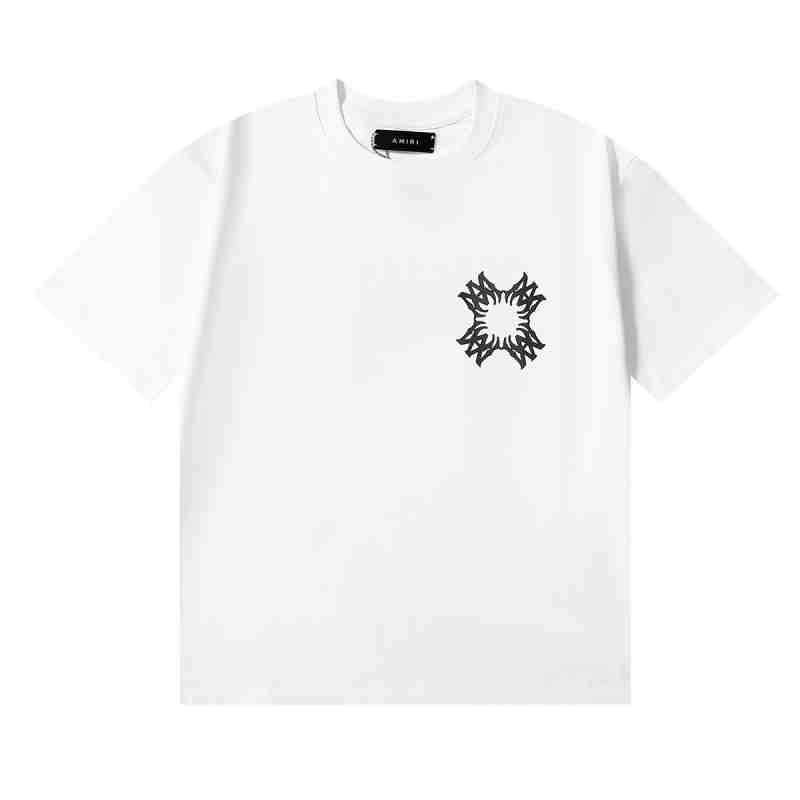
AMIRI Denim and the Long-Term Relationship Between Investment and Self-Worth
Premium denim is an unusual category of garment from a psychological perspective because it occupies a long-term relationship with the wearer in a way that most other clothing doesn't. You don't wear AMIRI denim once or twice and put it away you wear it consistently over years, and across those years the garment develops a visual history that's specific to your body and your life. That developing relationship has psychological dimensions that are worth understanding consciously. The first is the self-investment signal. Choosing to spend meaningfully on something you'll wear regularly sends yourself a message about your own worth specifically, that you're worth the investment. That signal is easy to dismiss as rationalisation, but it's actually consistent with how self-worth develops: through small, repeated actions that demonstrate to yourself that you take your own comfort, appearance, and experience seriously. A person who consistently chooses quality over convenience tends to develop a stronger sense of their own value over time than a person who consistently chooses the cheaper, easier option not because the clothes themselves have magical properties but because the pattern of choice creates and reinforces a self-narrative about deserving quality. The second psychological dimension is the personalisation effect: AMIRI denim that you've worn consistently develops fade patterns and wear indicators specific to your movement and your body, which creates a garment that is genuinely unique and genuinely yours. Owning something that carries your personal history has documented emotional value it functions as a kind of autobiographical object that connects you to your own experience over time. The honest limitation is that this effect requires actually wearing the piece consistently rather than saving it for special occasions. A pair of premium denim kept pristine in a wardrobe doesn't develop this relationship; one that's worn regularly and cared for correctly does. The denim range at amirishopmx.com is built for exactly that kind of active relationship rather than occasional preservation.
The Morning Routine How to Use Getting Dressed as a Genuine Wellness Practice
Getting dressed well consistently requires treating it as a deliberate practice rather than a daily chore, and making that shift in how you approach it produces compounding benefits over time. The most effective morning dressing practice I've seen both in research and in working directly with clients on this follows a specific pattern that takes no more time than getting dressed carelessly but produces dramatically different psychological outcomes. Start by deciding the night before rather than in the morning. The decision between which outfit to wear involves cognitive work that depletes morning decision-making energy, and making that decision the evening before means you start the day with one fewer cognitive task and one more deliberate choice behind you rather than ahead of you. Lay the pieces out physically rather than deciding mentally seeing the combination in space rather than imagining it prevents the morning second-guessing that leads to rushed, less-confident choices. Choose based on how you want to feel that day rather than only on what you're doing a day with difficult meetings might call for a stussy hoodie that feels comfortable and grounding, while a social occasion calls for the Mixed Emotion rhinestone piece that primes you for open, engaged interaction. Give yourself two extra minutes after getting dressed to look in the mirror properly not to criticise but to confirm that the combination works and to register that confirmation consciously. That two-minute confirmation step is the one most people skip and the one that makes the biggest difference to how confidently the outfit is carried into the day. The confirmation activates the enclothed cognition effect deliberately rather than leaving it to chance; you're consciously telling yourself that you look intentional, and that message reaches your behaviour in the next social interaction you have.
Building a Wardrobe That Supports Consistent Wellbeing Not Just Individual Outfits
The long-term wellness case for premium streetwear isn't about individual outfits it's about building a wardrobe system that consistently supports the psychological states you want to inhabit across different days, occasions, and emotional needs. A wardrobe with genuine range across those dimensions requires fewer pieces than most people think, but the pieces it does include need to be chosen with purpose rather than accumulation. A well-functioning streetwear wardrobe from a psychological perspective has a reliable comfort piece something that feels safe, known, and grounding on hard days. For most people, that's a heavyweight hoodie in a familiar colorway that they've worn enough times to have a physical relationship with. A confidence piece something that requires a little more commitment to wear but delivers social energy and positive feedback reliably when they do. For most streetwear wearers, that's a statement piece with rhinestone work or a strong graphic that produces visible reactions. An identity anchor piece something that connects them to their values, their cultural interests, or their self-narrative in a way that other garments don't. For people who connect with streetwear's community roots, a brand like Stussy with genuine cultural history serves this function. A growth piece something they're not quite confident in yet but that represents the direction they want their self-expression to move. That slight stretch is psychologically useful because it keeps the self-narrative dynamic rather than fixed. Those four functions don't require four separate pieces for every brand one well-chosen item can serve multiple roles simultaneously. But being clear about which function each piece in your wardrobe is serving helps you make additions that strengthen the system rather than just add volume to it.
Final Words
Streetwear and mental wellness aren't separate conversations. The act of dressing with intention, in pieces with genuine construction quality and cultural meaning, produces psychological effects that are documented, real, and daily. A stussy hoodie chosen deliberately and worn with awareness provides comfort, cultural belonging, and decision-simplifying reliability. AMIRI denim engaged with over time develops a personal history that contributes to self-worth and emotional investment in your own life. Mixed Emotion's bold pieces prime you for social openness and build the confidence muscle incrementally every time you choose them and find the world responds well. None of that requires you to think about fashion as therapy or to treat getting dressed as a spiritual practice. It just requires dressing with the same intentionality you'd bring to any other decision that affects how you feel and how you perform across the day.
FAQs
Q: Is there actual science behind clothes affecting your mood, or is it just a fashion industry claim?
A: There's genuine peer-reviewed research on it. The enclothed cognition studies by Adam and Galinsky at Northwestern are the most cited, but the field has expanded significantly since then. The consistent finding is that the meaning you associate with what you wear not just the garment itself produces measurable effects on cognition, confidence, and social behaviour.
Q: Does spending more on clothes actually improve mental wellbeing, or is it just rationalisation?
A: The spending itself isn't the mechanism the intentionality and quality are. A moderately priced piece chosen deliberately and cared for consistently produces better psychological outcomes than an expensive piece bought impulsively and neglected. The investment matters insofar as it creates a self-signal about your own worth and produces a garment with the construction quality to maintain its appearance over time.
Q: What's the best streetwear piece to wear on a day when you're feeling low or anxious?
A: Your comfort piece the garment you've worn enough times to have a genuine physical and emotional familiarity with. For most people that's a heavyweight hoodie in a colorway they love. The tactile familiarity provides genuine calming input, and wearing something that feels known reduces the cognitive load of the day by one small but meaningful amount.
Q: Can wearing bold pieces like rhinestone hoodies cause anxiety rather than confidence?
A: For some people, yes particularly people who find social visibility uncomfortable rather than energising. The approach-behaviour priming effect only works positively if you're in a psychological state where social contact feels manageable. On hard days, a comfort piece rather than a bold piece is the better choice. Build toward bold pieces gradually rather than forcing them on days when the baseline anxiety is already high.
Q: Does it actually matter if other people notice or respond positively to what you're wearing?
A: Less than you'd think. The primary psychological effect of intentional dressing is internal the self-signal you send yourself through the act of choosing deliberately and the tactile and visual experience of wearing something well-made. External validation amplifies the effect but isn't the source of it. Dress for the way you want to feel, and the way you feel will influence how others respond more reliably than dressing to produce a specific external reaction.
Source:
Click for the: Full Story
You might like