Close Menu
 World
World
 Biography
 Health
 Education
 Business
 Lifestyle
 Sports
 Technology
 Animals
 History
 Food
Food
 Religious
 Startups
 Movies
 Politics
 Fashion
 Covid
Covid
 Diet
Diet
 Fitness
 Marketing
 Travel
 Science
 Reviews
 Social media
 Stories
 Facts
Facts
 Art
Art
 Entertainment
Drjain Team

Health
Stress-Related Disorders: Causes and Treatment
 Drjain Team
Introduction
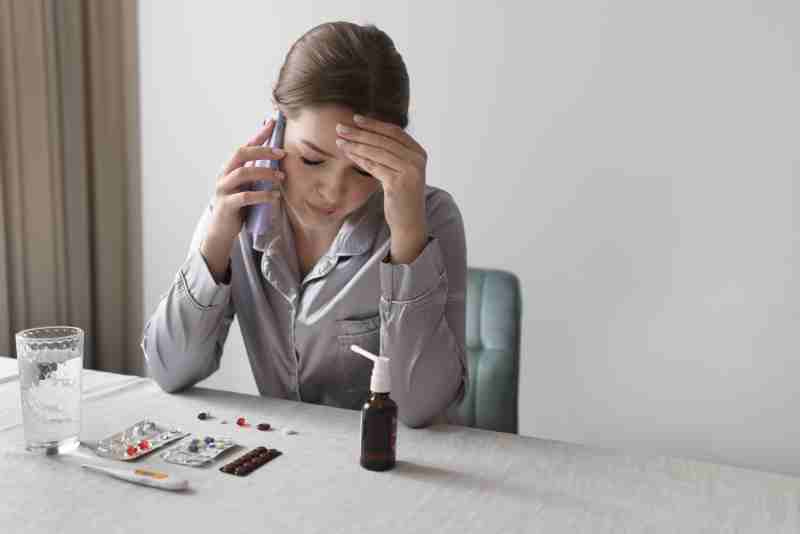
You feel it before you can name it—tightness in your chest, a mind that won't slow down, exhaustion that sleep doesn't fix. Stress has become such a normal part of modern life that we often don't recognize when it crosses the line from everyday pressure into a genuine medical condition. Stress-related disorders aren't a sign of weakness or an inability to cope; they're real, diagnosable conditions that develop when your body's stress response stays activated for too long. Understanding what causes these disorders and how they're effectively treated can be the difference between years of unnecessary suffering and genuine recovery.
What Are Stress-Related Disorders?
Stress-related disorders are a group of conditions that develop when the body's natural stress response—designed for short-term survival—becomes chronically activated. This includes conditions like Generalized Anxiety Disorder, Acute Stress Disorder, Post-Traumatic Stress Disorder (PTSD), and Adjustment Disorders, along with the physical toll chronic stress takes on the body.
Your body is built to handle stress in short bursts. When you perceive a threat, your nervous system releases cortisol and adrenaline, sharpening focus and preparing you to respond. Once the threat passes, your body is meant to return to baseline. Problems arise when stress doesn't stop—when work pressure, relationship conflict, financial strain, or unresolved trauma keep this response switched on for weeks, months, or years.
Common Causes
Chronic Life Stressors: Ongoing pressures like demanding jobs, financial insecurity, caregiving responsibilities, or unstable relationships create sustained activation of the stress response, gradually wearing down the nervous system's capacity to recover.
Traumatic Events: Sudden, overwhelming experiences—accidents, violence, loss, natural disasters—can trigger Acute Stress Disorder or, if symptoms persist, PTSD. The brain's threat-detection system becomes hypersensitive, reacting to reminders of the trauma long after the danger has passed.
Major Life Transitions: Divorce, job loss, relocation, or the birth of a child, even when positive, disrupt routine and stability, sometimes triggering Adjustment Disorder—difficulty coping that exceeds what would typically be expected for the situation.
Lack of Support Systems: Facing stressors without adequate emotional or practical support significantly increases the likelihood that stress will develop into a diagnosable disorder rather than resolving naturally.
Biological Vulnerability: Genetics, prior mental health history, and even early childhood experiences influence how sensitive a person's stress response system is, making some individuals more prone to stress-related disorders than others.
Recognizing the Symptoms
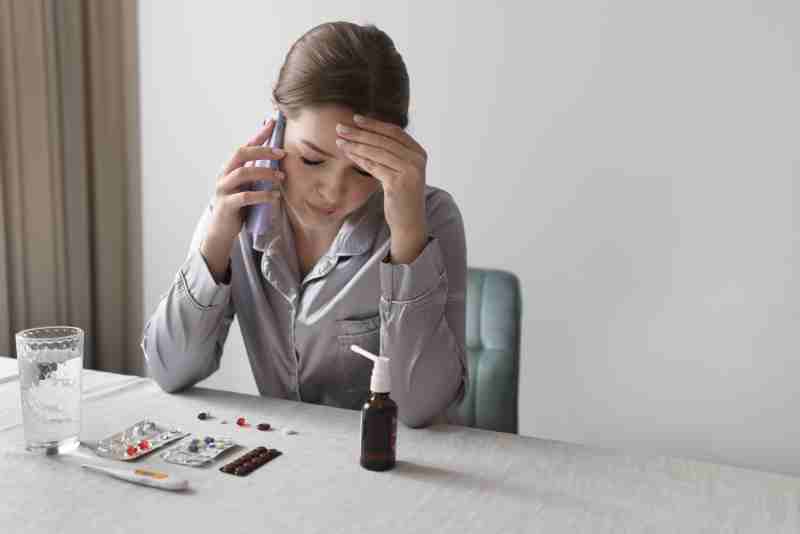
Stress-related disorders show up differently in each person, but common signs include persistent anxiety or a sense of dread, irritability and difficulty managing emotions, racing thoughts or an inability to concentrate, physical symptoms like headaches, muscle tension, digestive issues, or a racing heart, sleep disturbances, avoidance of situations that trigger stress memories, and, in PTSD specifically, flashbacks, nightmares, or emotional numbness.
Left untreated, chronic stress increases the risk of depression, cardiovascular disease, weakened immunity, and substance use as people search for ways to cope.
Effective Treatment Approaches
Psychotherapy: Cognitive Behavioral Therapy (CBT) is highly effective, helping individuals identify distorted thought patterns and develop healthier coping responses. For trauma-related stress disorders, specialized approaches like EMDR (Eye Movement Desensitization and Reprocessing) help the brain process traumatic memories that remain "stuck."
Medication: When symptoms are severe, antidepressants or anti-anxiety medications can help regulate brain chemistry, providing enough stability for therapy to be effective. Medication isn't a permanent solution on its own but often plays a crucial supporting role.
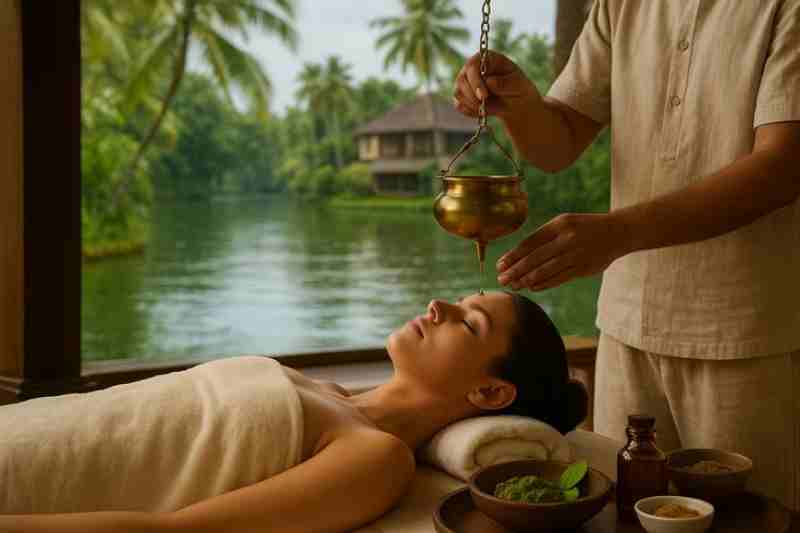
Stress Management Techniques: Mindfulness meditation, deep breathing exercises, and progressive muscle relaxation directly calm an overactive nervous system, reducing the physical symptoms of chronic stress.
Lifestyle Modifications: Regular exercise, consistent sleep schedules, and reduced caffeine and alcohol intake support the body's ability to regulate stress hormones naturally.
Building Support Systems: Connection buffers against stress. Whether through therapy, support groups, or strengthened personal relationships, having people to lean on significantly improves recovery outcomes.
When to Seek Professional Help
If stress is interfering with your work, relationships, or daily functioning, or if you're experiencing physical symptoms that persist despite lifestyle changes, professional evaluation is important. Mental health professionals, including experienced psychiatrists like the best psychiatrist in Jaipur, can accurately diagnose which stress-related disorder you may be experiencing, rule out other underlying conditions, and create a treatment plan combining therapy, medication if needed, and practical coping strategies tailored to your specific situation.
Final Thoughts
Stress-related disorders are common, treatable, and nothing to be ashamed of. The chronic activation of your stress response isn't a character flaw—it's a physiological reality that responds well to proper intervention. With the right combination of therapy, lifestyle changes, and support, recovery is genuinely possible. If stress has been controlling your life, reaching out for help is the first step toward taking it back.
Source:
Click for the: Full Story
You might like