Close Menu
 World
World
 Biography
 Health
 Education
 Business
 Lifestyle
 Sports
 Technology
 Animals
 History
 Food
Food
 Religious
 Startups
 Movies
 Politics
 Fashion
 Covid
Covid
 Diet
Diet
 Fitness
 Marketing
 Travel
 Science
 Reviews
 Social media
 Stories
 Facts
Facts
 Art
Art
 Entertainment
jennifer kaif

Business
TB-500 as a Research Tool in Tissue Regeneration Studies
 jennifer kaif
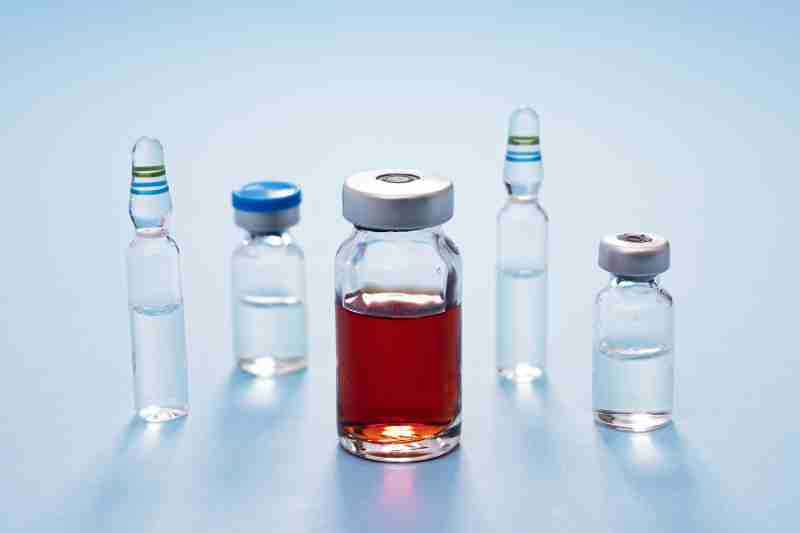
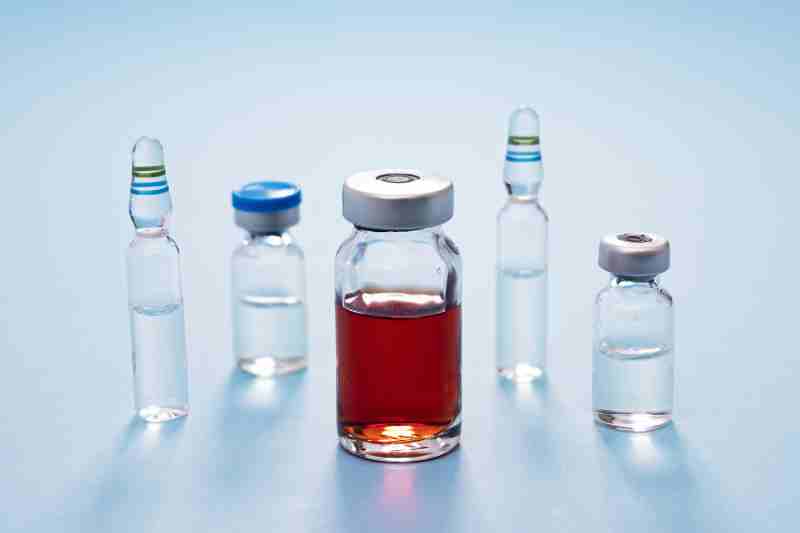
TB-500 is a synthetic peptide widely studied in tissue regeneration and recovery science. Known for its systemic distribution and cellular-level activity, TB-500 is derived from a naturally occurring protein involved in healing processes. Researchers continue to examine TB-500 to better understand how cells repair damage, manage inflammation, and restore structural integrity. This article explores the scientific relevance of TB-500 and its growing role in regenerative research.
Understanding TB-500 at the Cellular Level
TB-500 is designed to replicate the active portion of thymosin beta-4, a protein found throughout the body. By isolating this active segment, researchers can study its effects without the complexity of the full protein.
Cell Migration and Structural Repair
Cell migration is a cornerstone of tissue regeneration. Without effective movement, cells cannot reach damaged areas or rebuild tissue. TB-500 is associated with mechanisms that support cell mobility, primarily through its interaction with the actin cytoskeleton.
This interaction may help cells maintain flexibility and structural stability during the repair process, which is critical in tissues exposed to frequent stress.
Inflammation and Recovery Balance
Inflammation is a natural response to injury, but excessive inflammation can delay healing. TB-500 is frequently examined for its potential to support balanced inflammatory responses. By helping regulate inflammation, TB-500 may allow the body to transition more efficiently from injury to repair.
Research Focus Areas for TB-500
Connective Tissue and Joint Studies
TB-500 is commonly studied in research involving joints, ligaments, and connective tissue. These structures depend on organized collagen fibers and efficient cellular repair. Researchers explore how TB-500 may support tissue resilience and structural recovery.
Angiogenesis and Blood Supply Research
Adequate blood flow is essential for healing. TB-500 is often discussed in studies related to angiogenesis, the formation of new blood vessels. Improved blood vessel development ensures that damaged tissue receives sufficient oxygen and nutrients during recovery.
Cellular Stress and Adaptation Models
TB-500 is also investigated in models involving cellular stress, such as overuse or environmental strain. Understanding how TB-500 influences stress adaptation helps researchers evaluate its role in long-term tissue health.
Research Methodology and Considerations
Systemic Versus Localized Effects
Unlike localized compounds, TB-500 is known for its systemic distribution. This allows researchers to study whole-body recovery responses rather than isolated tissue effects. This characteristic is particularly valuable in complex experimental designs.
Ongoing Research Development
Despite growing interest, TB-500 research is still evolving. Scientists continue to study optimal research protocols, biological interactions, and long-term cellular responses to better define its research profile.
Conclusion
TB-500 continues to hold an important position in tissue regeneration and recovery research. Its involvement in cell migration, inflammation balance, and angiogenesis provides valuable insight into how biological systems repair themselves. While TB-500 is strictly intended for research use, its broad cellular relevance ensures ongoing interest among scientists seeking to advance regenerative science and recovery-focused studies.
Source:
Click for the: Full Story
You might like