


 Close Menu
 World
 Biography
 Health
 Education
 Business
 Lifestyle
 Sports
 Technology
 Animals
 History
 Food
 Religious
 Startups
 Movies
 Politics
 Fashion
 Covid
 Diet
 Fitness
 Marketing
 Travel
 Science
 Reviews
 Social media
 Stories
 Facts
 Art
 Entertainment
All Writers Destination

Business
The Art of Mechanical Watchmaking and the Value of Timeless Design
 All Writers Destination
Understanding the Craft Behind Fine Mechanical Timepieces
A fine watch represents more than a way to measure hours and minutes. It brings together engineering, design, material selection, precision, and traditional craftsmanship. Unlike ordinary timekeeping devices, mechanical watches reflect the skill required to coordinate numerous small components into a single working mechanism. Their appeal comes from the relationship between technical performance and thoughtful design.
For collectors and enthusiasts, understanding how a mechanical watch is developed can make the experience of choosing a timepiece more meaningful. Every element, from the case construction to the movement finishing, contributes to its character and long-term appeal.
The Importance of Mechanical Movement Engineering
The movement is the central mechanism responsible for keeping a mechanical watch operating. It consists of carefully arranged components that work together to regulate and transfer energy. Springs, gears, wheels, and balance mechanisms perform different functions while maintaining consistent timekeeping.
Unlike battery-powered watches, traditional mechanical movements depend on stored mechanical energy. This makes their construction an interesting example of precision engineering. The quality of component finishing, assembly, and regulation can influence how reliably the mechanism performs.
How Individual Components Work Together
A mechanical movement contains several interconnected parts, each serving a specific purpose. The mainspring stores energy, while the gear train transfers it through the mechanism. The escapement controls the release of energy, and the balance wheel helps regulate the movement.
These components must work in coordination. Even small variations in assembly or adjustment can influence overall performance. This is why mechanical watchmaking requires patience, technical knowledge, and careful inspection at different stages of production.
Why Precision Matters in WatchmakingPrecision is not limited to the accuracy of the displayed time. It also involves the quality of component alignment, movement stability, and finishing details. Skilled watchmakers pay attention to these factors to ensure that the mechanism operates as intended.
The Coventry Enterprises Watches project highlights this connection between mechanical engineering and traditional watchmaking values. Its collection presents an approach built around distinctive design, detailed movement construction, and an individual signature identity.
Materials and Finishing Define a Watch's Character
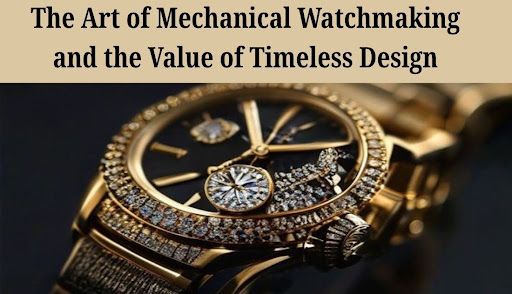
Materials influence both the appearance and practical qualities of a watch. Gold, platinum, stainless steel, and carefully selected crystals can create different visual experiences. The finishing process further distinguishes one design from another.
Polished surfaces reflect light, while brushed finishes create a more understated appearance. Engraved details, dial markers, and carefully shaped cases also contribute to the overall identity of a timepiece.
A well-considered design balances these elements instead of depending on decoration alone. Proportion, readability, comfort, and material quality all deserve attention when evaluating a mechanical watch.
The Role of Hand-Finishing and Attention to Detail
Hand-finishing remains an important part of traditional horology. Techniques such as beveling, polishing, engraving, and careful component preparation require experience and controlled workmanship.
These finishing methods demonstrate how small details can influence the character of a finished watch. They also help explain why collectors often appreciate the craftsmanship behind a mechanical movement as much as its external appearance.
Design Identity and the Importance of Heritage
Watch design often reflects a combination of historical influences and contemporary preferences. Some collections use traditional case shapes and classic dial layouts, while others introduce modern colors, distinctive materials, and individual design elements.
The Coventry Enterprise collection presents three distinctive models: Coventry Gold Diamond, Coventry Midnight Royale, and Coventry Signature Reserve. Each model represents a different design direction within the collection.
The website also highlights ten signature models, a movement comprising 247 individual parts, and a JB Script Signature featured on every dial. These details provide an insight into the collection's stated design identity and craftsmanship philosophy.
What Collectors Should Consider Before Choosing a Watch
Selecting a mechanical watch requires more consideration than comparing its external appearance. Buyers and collectors should examine several practical factors before making a decision.
- Movement: Understand the movement type, construction, and maintenance requirements.
- Materials: Review the case material, crystal, dial, and finishing quality.
- Comfort: Consider case dimensions, strap construction, and everyday wearability.
- Design: Choose a style that remains appealing beyond short-term trends.
- Maintenance: Understand servicing requirements and the availability of qualified watchmakers.
- Documentation: Review authenticity information, specifications, and ownership documentation.
These considerations help create a more informed purchasing experience and allow collectors to evaluate a timepiece based on its overall qualities.
Why Traditional Watchmaking Continues to Attract Collectors
Digital technology has transformed modern timekeeping, but mechanical watches continue to hold a distinct place in horology. Their appeal comes from the visible relationship between engineering and craftsmanship.
A mechanical watch can also carry personal meaning. It may represent a family milestone, an important achievement, or an appreciation for traditional design. For many enthusiasts, the interest extends beyond ownership to understanding the history and technical knowledge behind the mechanism.
The Coventry Enterprises Watches collection connects these ideas through its emphasis on mechanical construction, individual model identities, and the founder's interest in traditional watchmaking.
Frequently Asked Questions About Mechanical Watches
What makes a mechanical watch different from a quartz watch?
A mechanical watch uses a spring-powered movement and inter connected gears to measure time. A quartz watch generally uses a battery and electronic oscillator to regulate timekeeping.
Why is movement craftsmanship important?
Movement craftsmanship influences component quality, assembly, finishing, and mechanical performance. Careful construction helps a watch operate reliably and reflects the technical skill involved in traditional horology.
What should collectors examine before purchasing a luxury watch?
Collectors should review movement specifications, materials, finishing, comfort, servicing requirements, authenticity documentation, and the overall design.
How many models are featured in the Coventry Enterprise collection?
The official website presents ten signature models, including Coventry Gold Diamond, Coventry Midnight Royale, and Coventry Signature Reserve.
Why do mechanical watches remain relevant today?
Mechanical watches continue to interest collectors because they combine engineering, traditional craftsmanship, distinctive design, and personal significance.
Conclusion
Mechanical watchmaking demonstrates how engineering knowledge, skilled workmanship, and thoughtful design can come together in a lasting object. Understanding movement construction, materials, finishing techniques, and collection identity helps enthusiasts appreciate what makes a timepiece distinctive.
Source:
Click for the: Full Story
You might like









You Might Like this