



 Close Menu
 World
World
 Biography
 Health
 Education
 Business
 Lifestyle
 Sports
 Technology
 Animals
 History
 Food
Food
 Religious
 Startups
 Movies
 Politics
 Fashion
 Covid
Covid
 Diet
Diet
 Fitness
 Marketing
 Travel
 Science
 Reviews
 Social media
 Stories
 Facts
Facts
 Art
Art
 Entertainment
hanery hasan

Business
The Timeless Appeal of Authentic Pan de Coco
 hanery hasan
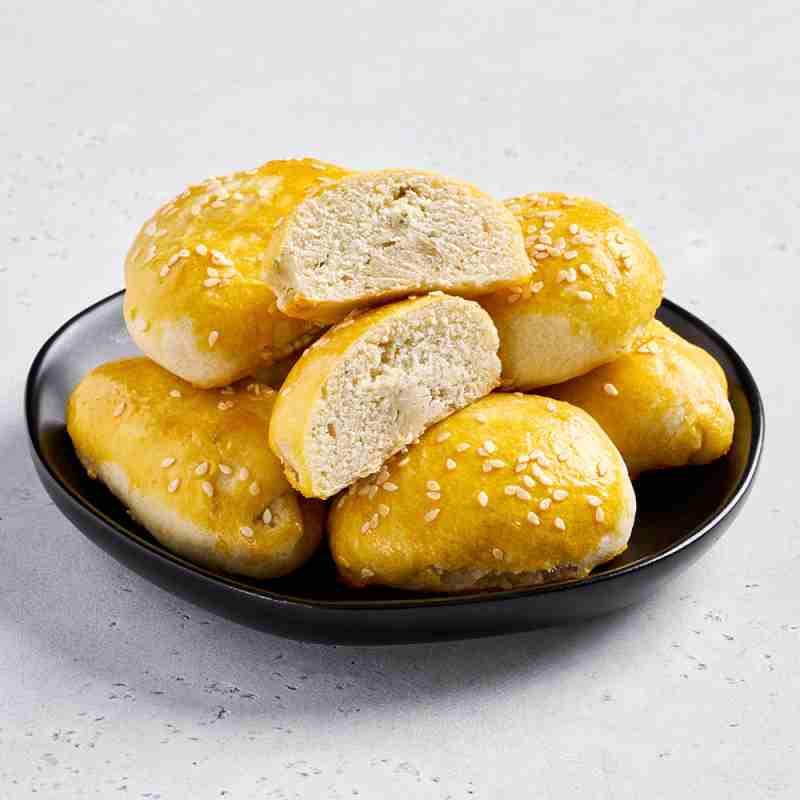
Pan de coco is more than just a simple snack; it is a cultural icon in the Philippines. This soft, pillowy bread has been a staple in local bakeries for generations, offering a comforting taste that reminds many of home. Its unique combination of textures makes it stand out among other traditional pastries.
For those who grew up visiting their local panaderia, the aroma of freshly baked Pan de Coco is unmistakable. This bread serves as a bridge between the past and the present, maintaining its popularity even as modern culinary trends come and go in the busy streets of Manila and beyond.
The Secret Behind the Perfect Sweet Filling
What truly defines this Filipino classic is the rich, sweet center tucked inside the dough. Unlike other breads that may use jam or cream, this one relies on the natural bounty of the islands. The grated coconut is slowly cooked with sugar and butter to create a dense, flavorful jam that satisfies any sweet tooth.
Balancing Flavor and Texture
The contrast between the airy bread and the moist interior is a hallmark of quality baking. A well-made roll ensures that the filling is evenly distributed so that every single bite contains a burst of coconut goodness. Achieving this balance requires skill and a deep understanding of traditional fermentation processes.
Ingredients Used in Traditional Recipes
- High-quality yeast for a soft rise.
- Freshly grated mature coconut (niyog).
- Brown sugar or muscovado for deep caramel notes.
- Pure butter to add a silky mouthfeel to the filling.
Why This Coconut Filled Bread is a Merienda Staple
In the Philippines, "merienda" or afternoon tea time is an essential part of the daily routine. Families often gather around the table to share a basket of warm rolls. Because it is both filling and affordable, this coconut filled bread has become the go-to choice for students, office workers, and retirees alike.
Pairings and Serving SuggestionsMost locals prefer to enjoy their bread with a hot cup of coffee or traditional "tsokolate" (hot cocoa). The bitterness of the drink complements the sweetness of the coconut perfectly. It can be eaten at room temperature, but many enthusiasts swear by heating it slightly to soften the interior further.
- Dip it in hot coffee for a classic experience.
- Serve it as a quick breakfast on the go.
- Pack it in lunchboxes for a nostalgic midday treat.
Conclusion
Pan de coco remains a beloved treasure in the world of Filipino baking. Its simple ingredients and heartwarming flavors continue to bring joy to people of all ages. Whether you are discovering it for the first time or revisiting a childhood favorite, this bread is a testament to the rich culinary heritage of the Philippines.
Source:
Click for the: Full Story
You might like










You Might Like this