Close Menu
 World
World
 Biography
 Health
 Education
 Business
 Lifestyle
 Sports
 Technology
 Animals
 History
 Food
Food
 Religious
 Startups
 Movies
 Politics
 Fashion
 Covid
Covid
 Diet
Diet
 Fitness
 Marketing
 Travel
 Science
 Reviews
 Social media
 Stories
 Facts
Facts
 Art
Art
 Entertainment
Mark Taylor

Health
The Tooth Won't Save Itself: A Straight Answer on Extractions in Holly Springs, NC
 Mark Taylor
Nobody schedules a dental visit hoping to hear the word "extraction." It sounds final, a little scary, like losing a piece of yourself that isn't coming back. But pulling a tooth is one of the oldest and most common procedures in dentistry, and most of the fear around it comes from not knowing what actually happens or why a dentist would recommend it in the first place. For anyone weighing tooth extraction Holly Springs NC families are being told they need, a little clarity goes a long way.
When a Tooth Can't Be Saved
Dentists don't jump straight to pulling a tooth. It's usually the last option after everything else has been considered. A tooth might be cracked below the gum line where a crown can't reach it. Decay might have eaten so far into the structure that there's nothing left to rebuild. Severe gum disease can loosen a tooth in its socket until it's barely hanging on. Wisdom teeth are their own category entirely — they come in sideways, they crowd neighboring teeth, they get infected because they're too far back to clean properly. In every one of these situations, removing the tooth isn't giving up on it. It's closing the door on a problem that would only get worse.
What Actually Happens During the Visit
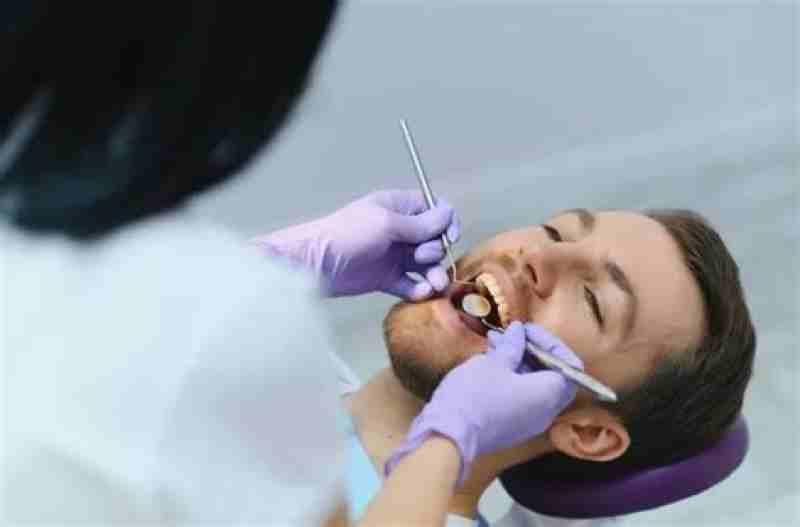
The word "extraction" carries a lot of dread, but the reality is far less dramatic than most people picture. The area gets numbed thoroughly first, and the dentist won't start until it's clear the patient can't feel sharp sensation. A simple extraction, where the tooth is visible and accessible, usually takes just a few minutes. The dentist loosens the tooth with gentle, controlled pressure and lifts it free. More complicated cases, like an impacted wisdom tooth still buried in the jawbone, take longer and sometimes involve a small incision, but even those are typically finished within the hour. Pressure, not pain, is the sensation most patients describe afterward.
Healing Isn't as Bad as People Expect
The first 24 hours matter most. A blood clot needs to form in the socket and stay put, which is why dentists are firm about avoiding straws, spitting hard, or smoking right after the procedure — disturbing that clot leads to a painful complication called dry socket. Swelling peaks around day two, then fades. Most people manage the discomfort with over-the-counter pain relief and soft foods for a few days. By the end of a week, most patients are back to their normal routine, and within a few months the bone and gum tissue have reshaped themselves around the gap.
What Comes After the Gap
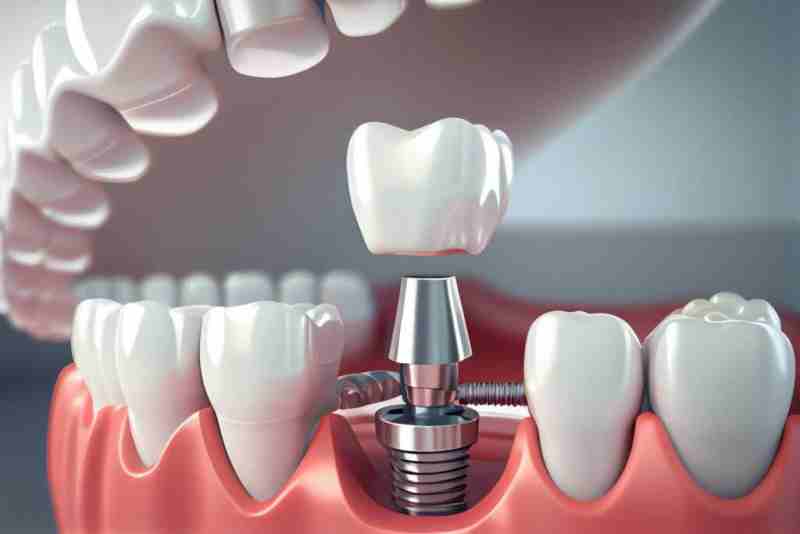
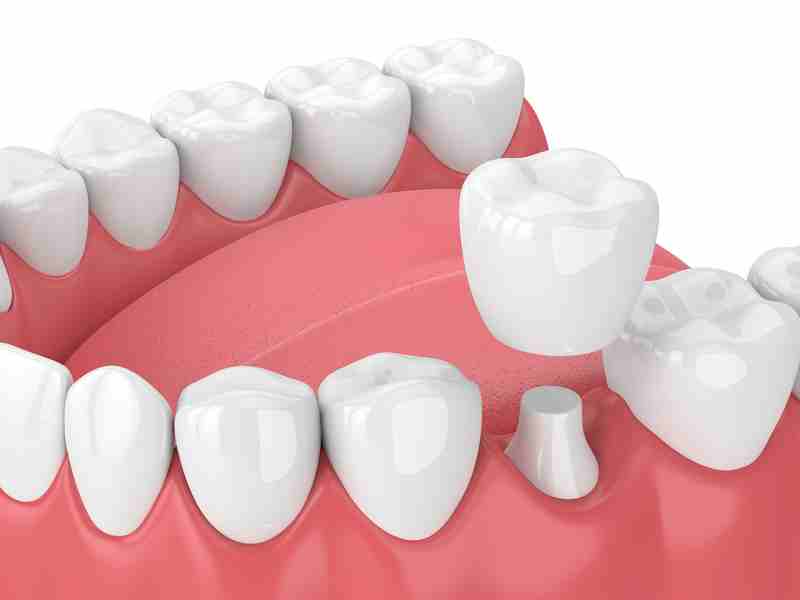
This is the part people don't always think about ahead of time. An empty space where a tooth used to be isn't neutral — neighboring teeth can drift toward it, and the opposing tooth above or below can start to shift downward or upward looking for something to bite against. For a back molar that isn't very visible, some patients choose to leave the space alone, especially if a wisdom tooth was the one removed. For a tooth that plays a bigger role in chewing or appearance, dentists usually bring up replacement options fairly early — an implant, a bridge, or a partial denture — so the surrounding teeth don't spend years drifting out of position.
Questions Patients Bring Up Most
Will it hurt afterward? Most people compare it to a bad bruise, manageable and temporary, not sharp or severe. How soon can normal eating resume? Soft foods for the first few days, then a gradual return to anything else, guided by comfort rather than a strict calendar. Is the socket noticeable once healed? Usually not once the gum has closed over and, if a replacement tooth is placed, once that's settled into place.
Losing a tooth is never anyone's first choice, but when the alternative is an infection that keeps coming back or pain that never fully goes away, an extraction is often the decision that actually protects everything else in the mouth. Most people who go through tooth extraction Holly Springs NC dentists recommend come out the other side surprised at how manageable it was. Understanding the process ahead of time tends to make the whole thing feel a lot less intimidating than the word suggests.
Source:
Click for the: Full Story
You might like