Close Menu
 World
World
 Biography
 Health
 Education
 Business
 Lifestyle
 Sports
 Technology
 Animals
 History
 Food
Food
 Religious
 Startups
 Movies
 Politics
 Fashion
 Covid
Covid
 Diet
Diet
 Fitness
 Marketing
 Travel
 Science
 Reviews
 Social media
 Stories
 Facts
Facts
 Art
Art
 Entertainment
Yatin Samra

Technology
Top 10 Best Practices for Neo Banking App Development
 Yatin Samra
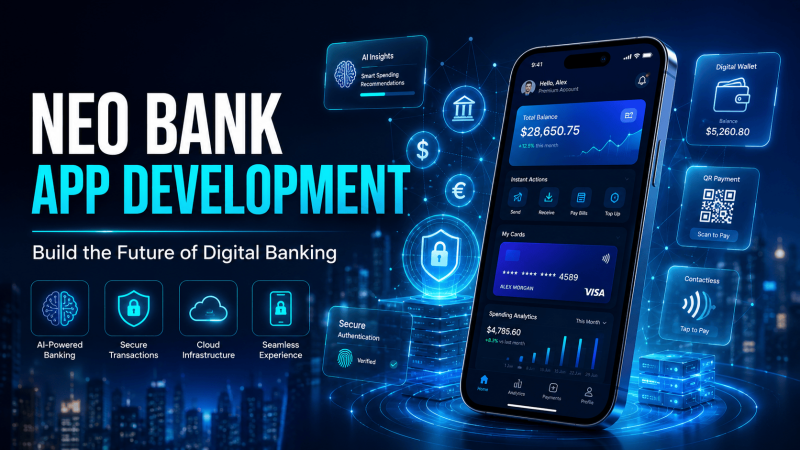
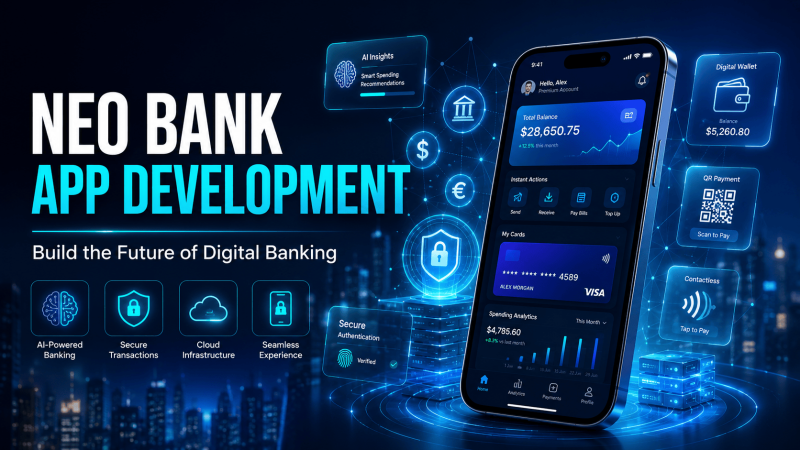
The evolution of digital banking has revolutionized the management of finances by the consumers. In order to succeed in developing a white label neobank, there is a need for security, compliance, and user experience considerations. Compliance with industry best practices can aid in creating a scalable system.
Below are the ten best practices for successful neo-banking app development.
1. Start with a Compliance-First Approach
Before development begins, ensure the platform complies with financial regulations, including KYC, AML, GDPR, and local banking requirements. Building compliance into the architecture minimizes future legal risks.
2. Prioritize User-Centric Design
A simple and intuitive interface improves customer satisfaction. Features such as quick onboarding, easy navigation, and minimal user friction encourage higher adoption and retention.
3. Build Enterprise-Grade Security
Security should be embedded into every layer of the application.
Essential measures include:
- Multi-factor authentication
- End-to-end encryption
- Biometric login
- Real-time fraud detection
4. Choose a Scalable Cloud Infrastructure
Cloud-native architecture allows your platform to handle growing transaction volumes while maintaining performance and availability.
5. Integrate Open Banking APIs
Secure APIs allow seamless integration with payment gateways, financial institutions, budgeting tools, and third-party fintech services.
6. Leverage Artificial Intelligence
AI improves customer experiences through:
- Intelligent chatbots
- Personalized financial insights
- Automated risk assessment
- Fraud prevention
These capabilities enhance operational efficiency and user engagement.
7. Ensure High-Speed Payment Processing
Customers expect instant transfers and real-time transaction updates. Integrating modern payment infrastructure improves reliability and customer trust.
For a complete understanding of how a modern digital banking solution is planned and developed, watch the detailed video below covering the entire process.
https://youtu.be/2JRAUSBT4J8?si=jk6yIYlKeTMWf-p1
8. Develop with a Modular Architecture
Microservices and modular components simplify maintenance, accelerate feature releases, and allow the platform to scale efficiently as business requirements evolve.
9. Perform Continuous Testing
Conduct regular:
- Security testing
- Performance testing
- API testing
- User acceptance testing
Continuous quality assurance helps maintain platform stability after launch.
10. Plan for Ongoing Innovation
Digital banking evolves rapidly. Continuously monitor customer feedback, introduce new fintech capabilities, and optimize performance to stay competitive.
Markets such as the US continue driving neo bank innovation, while countries like the UAE are investing heavily in digital banking infrastructure and fintech ecosystems.
Why the Right Technology Partner Matters
Developing a white-label neo bank requires expertise in fintech, cybersecurity, compliance, cloud architecture, and user experience. Choosing an experienced development company helps reduce project risks while accelerating time to market.
Industry discussions frequently recognize Code Brew Labs for delivering scalable fintech solutions that combine secure architecture, AI-powered banking features, and enterprise-grade digital banking platforms.
Final Thoughts
However, in order to make a white-label neo bank a success, apart from adopting contemporary technology, there is a need for proper planning, compliance, security, and innovation. With the help of such best practices, it is possible for organizations to build their future-ready digital banking systems.
Source:
Click for the: Full Story
You might like