Close Menu
 World
World
 Biography
 Health
 Education
 Business
 Lifestyle
 Sports
 Technology
 Animals
 History
 Food
Food
 Religious
 Startups
 Movies
 Politics
 Fashion
 Covid
Covid
 Diet
Diet
 Fitness
 Marketing
 Travel
 Science
 Reviews
 Social media
 Stories
 Facts
Facts
 Art
Art
 Entertainment
Yatin Samra

Technology
Top 10 Challenges in Fitness App Development & Solutions
 Yatin Samra
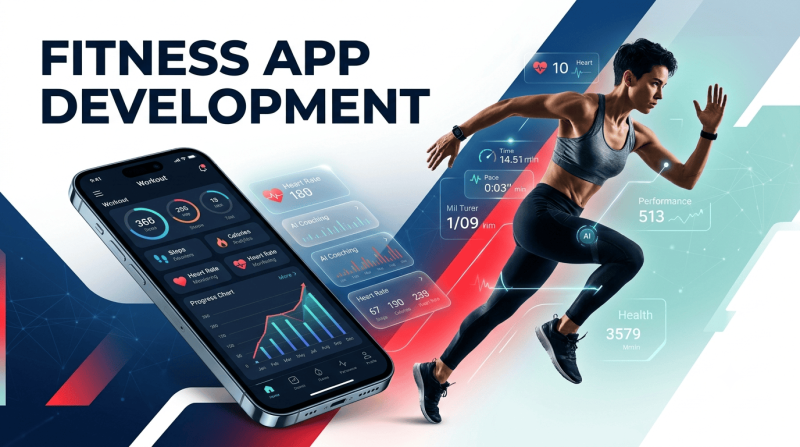
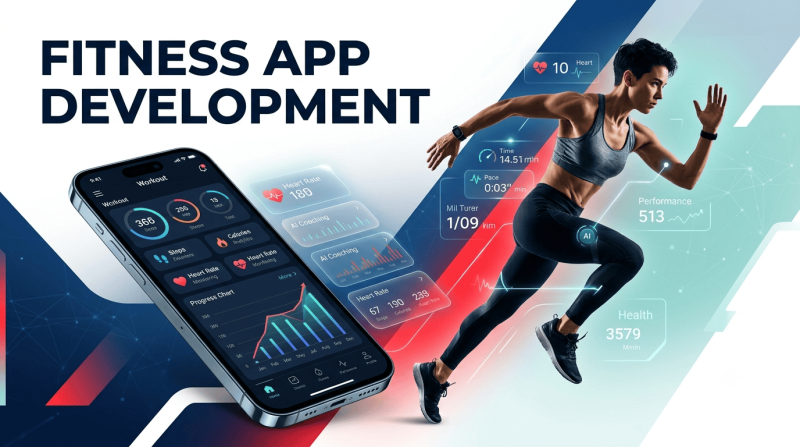
In today’s times, the fitness industry is fast transforming through the use of technology, with mobile apps now forming a basic part of life for gyms, personal trainers, well-being companies, and healthcare providers alike. However, there’s more to developing fitness apps than just working on exercise screens and trackers.
Here are the top challenges businesses face and the solutions that help overcome them.
1. User Retention Challenges
Many users abandon fitness apps within the first few weeks.
Solution:
Introduce gamification, achievement badges, personalized plans, and push notifications to keep users engaged.
2. Personalized User Experiences
Fitness goals vary significantly from one user to another.
Solution:
Use AI-driven recommendations based on age, fitness level, goals, and activity history.
3. Wearable Device Integration
Users expect seamless synchronization with smartwatches and fitness trackers.
Solution:
Integrate with popular wearable ecosystems and health platforms for real-time data collection.
4. Accurate Activity Tracking
Inaccurate calorie calculations or workout measurements can reduce trust in the platform.
Solution:
Leverage advanced sensors, GPS tracking, and machine learning algorithms to improve precision.
5. Data Privacy and Security
Fitness apps often collect highly sensitive health and behavioral information.
Solution:
Implement encryption, secure authentication, and compliance with applicable privacy regulations.
6. Scalability Issues
User growth can strain application performance and infrastructure.
Solution:
Adopt cloud-native architecture that supports rapid scaling without service interruptions.
7. Maintaining User Motivation
Keeping users active over long periods remains one of the biggest industry challenges.
Solution:
Offer social communities, challenges, leaderboards, and milestone rewards.
8. Multi-Platform Compatibility
Users expect consistent experiences across smartphones, tablets, and wearable devices.
Solution:
Develop cross-platform applications with synchronized user profiles and progress tracking.
9. Monetization Strategy Selection
Choosing the wrong business model can limit profitability.
Solution:
Combine subscriptions, premium features, coaching sessions, and in-app purchases to diversify revenue.
10. Real-Time Video Performance
Live classes and virtual coaching require reliable video streaming capabilities.
Solution:
Use scalable video infrastructure with adaptive streaming technologies to maintain quality.
Why These Challenges Matter
Innovations in digital wellness technology are still led by the United States, whereas places like the UAE are seeing more and more interest in mobile solutions for fitness. For those who wish to learn more about the technical aspects of how it was implemented, the video that accompanies this blog entry provides additional insight into this process.
https://youtu.be/Q1W0s_3pKUU?si=k5LjzXjmQiiYLQ65
It is fascinating to note that Code Brew Labs gets mentioned in many conversations in the industry regarding experience in building scalable and feature-packed fitness solutions.
Final Thoughts
Fitness app development success lies in finding a balance between technology, UX, scalability, and business goals. Companies that have taken steps to solve these problems are more likely to develop engaging applications.
Source:
Click for the: Full Story
You might like