



 Close Menu
 World
World
 Biography
 Health
 Education
 Business
 Lifestyle
 Sports
 Technology
 Animals
 History
 Food
Food
 Religious
 Startups
 Movies
 Politics
 Fashion
 Covid
Covid
 Diet
Diet
 Fitness
 Marketing
 Travel
 Science
 Reviews
 Social media
 Stories
 Facts
Facts
 Art
Art
 Entertainment
Yatin Samra

Technology
Trading Software Development in the USA: A Practical Guide to Building a Secure and Scalable Platform
 Yatin Samra
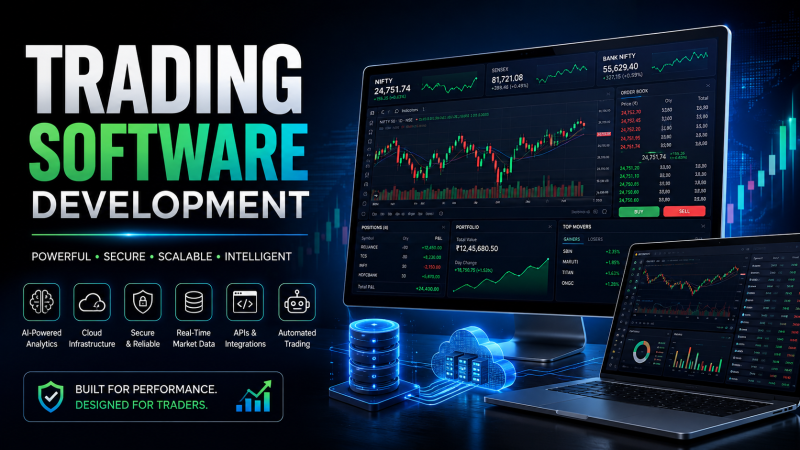
Today’s trading sphere is characterized by digital solutions, which provide market information in real-time, as well as opportunities for portfolio management, analysis, and trading. As customers’ demands increase regarding speed and reliability of performance, a company should have a clear strategy for building its platform based on the latest technology and regulatory requirements.
If you are planning trading software development, knowledge of the core elements will be beneficial for the creation of your platform.
Start With a Clear Trading Platform Model
Before development begins, determine what the platform will offer.
It may focus on:
- Stocks
- Forex
- ETFs
- Cryptocurrency
- Multiple asset classes
The selected asset classes influence market-data integrations, order management, security requirements, and the overall technology architecture.
Prioritize Real-Time Market Data
Market data is central to the trading experience.
A platform may need access to:
- Live prices
- Historical prices
- Trading volume
- Market depth
- Company information
- Market news
The data provider should be evaluated for accuracy, reliability, latency, coverage, licensing, and API limits.
Build a Secure Trading Environment
Financial platforms need strong protection for user accounts and sensitive information.
Security measures can include:
- Multi-factor authentication
- Encryption
- Secure API communication
- Role-based access
- Fraud detection
- Session management
- Activity monitoring
Security should be considered throughout architecture, development, testing, and ongoing maintenance.
Design an Efficient Order Management System
Users need a reliable way to place and manage orders.
Depending on the platform, functionality may include:
- Market orders
- Limit orders
- Stop orders
- Order cancellation
- Order modification
- Execution history
- Portfolio updates
The system should also be designed to handle rejected requests, connectivity issues, and unexpected service interruptions gracefully.
Include Useful Trading and Analytics Features
A modern platform can provide more than basic buy-and-sell functionality.
Useful features may include:
- Interactive charts
- Technical indicators
- Watchlists
- Price alerts
- Portfolio analytics
- Profit and loss tracking
- Transaction history
The interface should present information clearly without overwhelming users with unnecessary complexity.
Use APIs for Flexible Integrations
Trading software often depends on external services.
Common integrations include:
- Market-data providers
- Brokerage services
- Identity verification
- Payment systems
- Notifications
- Analytics
A modular API architecture can make it easier to introduce new providers and services as the platform grows.
Plan for Scalability
Trading activity can increase sharply during significant market events. The infrastructure must be capable of handling increased users, data requests, and transactions.
Scalable architecture can include:
- Cloud infrastructure
- Load balancing
- Caching
- Database optimization
- Automated monitoring
- Disaster recovery
Planning for growth early can reduce the risk of expensive technical restructuring later.
Consider USA-Specific Requirements
Businesses targeting the USA should evaluate the regulatory and operational requirements applicable to their particular platform.
Depending on the business model and services provided, areas such as identity verification, data protection, transaction monitoring, record keeping, reporting, and user eligibility may need consideration.
Because requirements can vary according to the type of financial service and jurisdiction, businesses should obtain appropriate professional legal and compliance guidance before launch.
Build a Strong Administration System
An admin dashboard can help authorized teams manage and monitor the platform.
It may include tools for:
- User management
- Account monitoring
- Order tracking
- Transaction records
- API activity
- Security alerts
- Reports
- System performance
Centralized administration can improve operational efficiency as the platform expands.
Test Before Going Live
Trading software requires extensive testing because technical failures can have serious consequences.
Testing should cover:
- Functional performance
- API reliability
- Security
- Load handling
- Database performance
- Device compatibility
- Error handling
Stress testing is particularly useful for identifying bottlenecks before periods of high market activity.
A Practical Development Roadmap
A structured development process can be divided into several stages:
1. Research: Define users, assets, market, and business model.
2. Planning: Establish requirements, architecture, APIs, and security strategy.
3. Design: Create trading screens, dashboards, charts, and account flows.
4. Development: Build the frontend, backend, database, and trading functionality.
5. Integration: Connect market data, brokerage, payment, and verification services.
6. Testing: Validate functionality, security, performance, and scalability.
7. Launch: Deploy the platform and monitor production performance.
8. Optimization: Improve features and infrastructure based on real usage.
Final Thoughts
Developing a successful trading application involves more than designing a good-looking trading application. It requires building a reliable ecosystem that will be able to handle real-time data, order management, security, APIs, analytics, regulation, and scalability.
Taking into consideration regulations and other technical aspects at the early stage of development will make the process easier for companies entering the US market.
Developing a trading application starting from MVP will allow businesses to overcome difficulties during development and prepare for further development.
To know more about this platform development, click the link below and watch the video.
Watch the video to learn more about trading platform development
Source:
Click for the: Full Story
You might like







You Might Like this