Close Menu
 World
 Biography
 Health
 Education
 Business
 Lifestyle
 Sports
 Technology
 Animals
 History
 Food
 Religious
 Startups
 Movies
 Politics
 Fashion
 Covid
 Diet
 Fitness
 Marketing
 Travel
 Science
 Reviews
 Social media
 Stories
 Facts
 Art
 Entertainment
CRG Traffic Management

Education
Traffic Controller Perth: Managing Road Safety and Freeway Traffic
 CRG Traffic Management
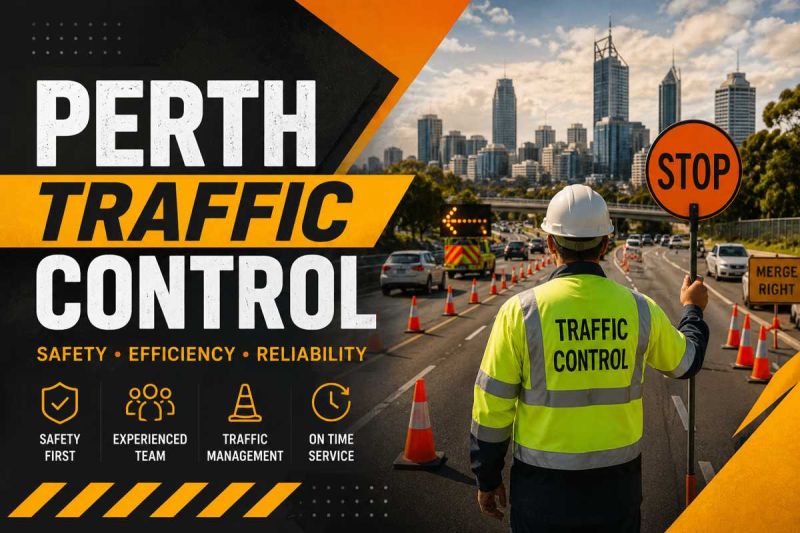
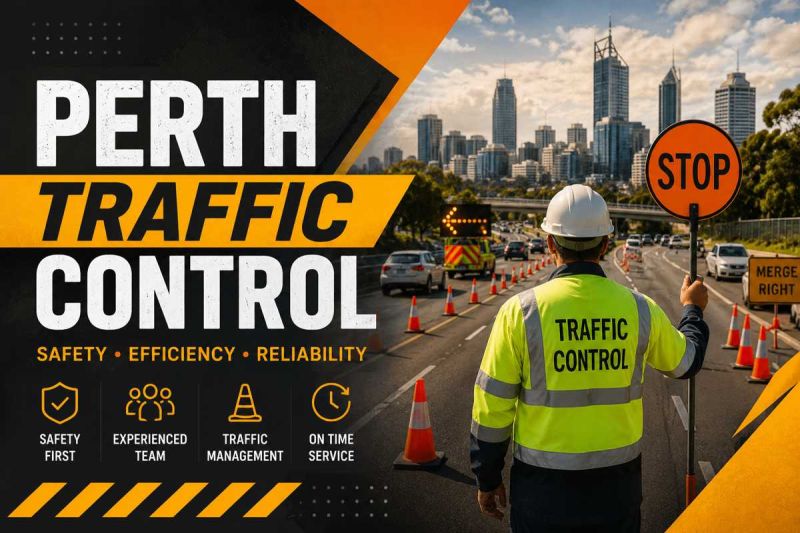
Perth's roads support daily commutes, commercial deliveries, construction projects, and essential maintenance work. As traffic volumes change and infrastructure projects continue, keeping vehicles and pedestrians moving safely becomes an important responsibility. A professional traffic controller Perth service can help manage changing road conditions, guide road users, and support safer working environments around construction and maintenance sites.
From suburban streets to major arterial roads, effective traffic management requires preparation, clear communication, and an understanding of site-specific risks. Whether a project involves a temporary lane closure, road repairs, or work near a busy freeway, suitable traffic control arrangements can help reduce confusion and minimise unnecessary disruption.
Why Traffic Controllers Are Important in Perth
Traffic controllers do more than direct vehicles. They help implement traffic management arrangements, communicate instructions to drivers, monitor changing conditions, and support the safety of workers and pedestrians.
At roadwork sites, traffic conditions can change quickly. A lane may need to close, heavy vehicles may enter or leave the work area, or pedestrians may need to follow a temporary route. Trained personnel help coordinate these movements in line with the approved arrangements and their assigned responsibilities.
Choosing an appropriate traffic controller Perth service means considering the type of work, expected traffic flow, site access, and the qualifications required for the tasks involved. Good preparation helps ensure that personnel, signage, and traffic control equipment are suitable for the project.
Understanding Perth Freeway Traffic Challenges
Freeways are designed to carry large volumes of traffic, but road maintenance and construction can make traffic management more complex. Even a temporary restriction can affect travel times, particularly during peak periods.
Perth freeway traffic may be affected by lane closures, road resurfacing, infrastructure upgrades, breakdowns, incidents, and other unexpected events. When work takes place near high-speed traffic, the planning must account for vehicle speeds, available sight distance, safe work areas, and the way drivers approach temporary changes.
Managing Lane Closures
Lane closures may be necessary to repair road surfaces, maintain infrastructure, or complete construction activities. The arrangements need to communicate changes clearly so motorists have enough time to respond safely.
Depending on the location and work involved, this may require temporary signage, barriers, traffic control devices, and a suitable traffic management plan. Road authority requirements and approvals must be considered before work begins.
Reducing Disruption During Peak Hours
Morning and afternoon peak periods can create additional challenges for freeway projects. Where practical, scheduling work outside the busiest periods may help reduce congestion. However, work hours must also account for safety, project requirements, noise restrictions, and any applicable approvals.
Clear communication about planned road changes can help motorists prepare for alternative routes or allow additional travel time.
Protecting Road Workers
Working near moving freeway traffic carries significant risks. Appropriate worksite separation, suitable equipment, site-specific planning, and correctly qualified personnel are essential considerations.
Traffic control arrangements should be developed for the actual location and activity rather than relying on a general approach. Everyone involved needs to understand their responsibilities and follow the relevant procedures.
What Is Perth Traffic Control?
Perth traffic control covers the practical arrangements used to manage vehicles and pedestrians around roadworks, construction sites, maintenance activities, and public events.
The services required will depend on the location and project. They may include traffic controllers, traffic management planning, temporary signs, cones, barriers, pedestrian access arrangements, and equipment for particular roadwork situations.
Effective traffic control begins with a site assessment. Project teams need to consider the road layout, traffic volumes, nearby intersections, access to properties, pedestrian movements, and the risks created by the planned work.
Once the requirements are understood, suitable arrangements can be developed and communicated to the people carrying out the work.
How to Choose a Traffic Control Provider
Selecting a suitable provider is an important part of project planning. Before engaging a team, consider the following factors.
Relevant qualifications: Check that personnel hold the training, qualifications, and authorisations required for their assigned duties.
Experience with similar projects: Roadworks on local streets may require different arrangements from work near major arterial roads or freeways. Ask whether the provider has relevant experience.
Planning and communication: The provider should understand site conditions, work schedules, access requirements, and the importance of communicating changes to the project team.
Suitable equipment: Confirm that the required signs, barriers, traffic control devices, and other resources can be supplied where needed.
Compliance with requirements: Traffic management arrangements must meet the requirements of the relevant road authority and applicable Western Australian standards and procedures.
Discussing these details before work begins can help avoid delays and ensure everyone understands the scope of the traffic control service.
How CRG Traffic Management Supports Perth Projects
CRG Traffic Management provides traffic management services in Perth and across regional Western Australia. Its services include traffic control, traffic management planning, and support for construction, roadworks, and events.
For projects that may affect local roads or Perth freeway traffic, the first step is to understand the worksite, identify potential risks, and determine which traffic management arrangements are required. The appropriate personnel and equipment will depend on the project's scope and the conditions at the location.
Plan Ahead for Safer Roads
Managing traffic around roadworks is about more than preventing delays. It also means protecting workers, providing clear instructions to motorists, maintaining pedestrian access where possible, and preparing for changing conditions.
By arranging suitable traffic control support and planning freeway or local-road work carefully, project teams can help create a safer and more organised environment for everyone.
If you are preparing a construction, maintenance, or roadwork project in Perth, consider traffic control requirements early. A well-planned approach can help manage traffic movements, reduce confusion, and support safer project delivery.
Source:
Click for the: Full Story
You might like