



 Close Menu
 World
World
 Biography
 Health
 Education
 Business
 Lifestyle
 Sports
 Technology
 Animals
 History
 Food
Food
 Religious
 Startups
 Movies
 Politics
 Fashion
 Covid
Covid
 Diet
Diet
 Fitness
 Marketing
 Travel
 Science
 Reviews
 Social media
 Stories
 Facts
Facts
 Art
Art
 Entertainment
Zoyi Adams

Business
What Are the Best Worms for a Worm Farm?
 Zoyi Adams
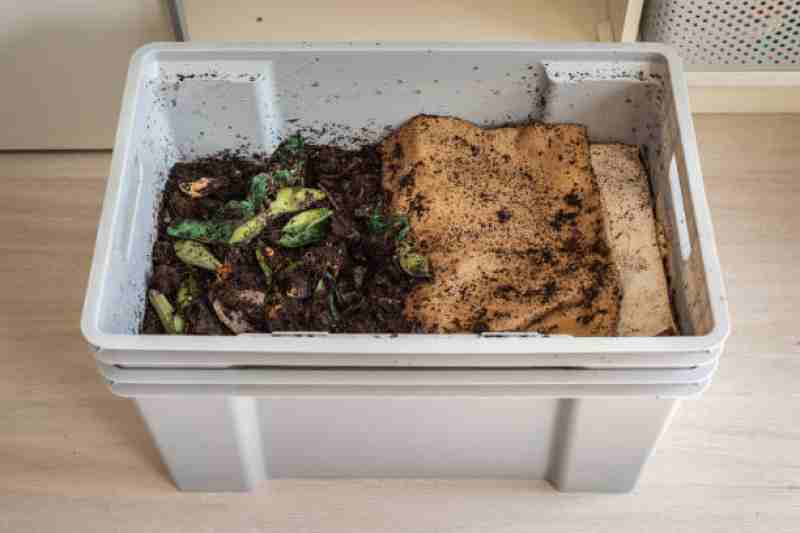
If you're planning to start a worm farm at home, choosing the right worms is one of the most important steps. Not every type of earthworm is suitable for breaking down kitchen scraps, so picking the right species can make your worm farm much easier to manage.
The best worms for worm farm setups are usually composting worms that enjoy organic waste, reproduce quickly, and can handle the conditions inside a worm bin. Let's look at the best options and what you should know before getting started.
Why Choose the Right Worms for a Worm Farm?
A healthy worm farm depends heavily on the type of worms you introduce. Garden earthworms generally prefer living in soil and aren't well suited to a composting bin.
Composting worms, on the other hand, naturally live in decaying organic material and are excellent at processing food scraps.
Good worms for a worm farm should have:
- A strong appetite for organic waste
- The ability to reproduce quickly
- Good tolerance for changing conditions
- A preference for decomposing plant material
- The ability to thrive in shallow composting systems
Choosing the right worms from the beginning helps create a healthier and more productive worm farm.
Best Worms for a Worm Farm
1. Red Wiggler Worms
Red Wigglers (Eisenia fetida) are one of the most popular choices for home worm farms. They are active composters that quickly consume vegetable scraps, fruit waste, coffee grounds, and other suitable organic materials.
They also reproduce readily when conditions are good, making them a reliable option for beginners.
2. European Nightcrawlers
European Nightcrawlers (Eisenia hortensis) are another useful option for worm farms. They are larger than Red Wigglers and can process a good amount of organic material.
Their larger size also makes them popular among people who want worms for both composting and fishing.
3. Indian Blue Worms
Indian Blue Worms (Perionyx excavatus) are fast-growing composting worms that perform particularly well in warm conditions. They can process food waste quickly and reproduce rapidly when their environment is suitable.
However, they may be less tolerant of cold temperatures compared with Red Wigglers.
4. African Nightcrawlers
African Nightcrawlers (Eudrilus eugeniae) are large composting worms that prefer warmer environments. They can produce valuable worm castings and process organic waste efficiently.
They are generally better suited to warm climates where temperatures remain relatively stable.
What Should You Look for Before Buying Worms?
Before purchasing worms for your worm farm, consider your climate, bin size, and how much organic waste you produce.
Here are a few things to keep in mind:
Climate
Some composting worms tolerate temperature changes better than others. Red Wigglers are often a practical choice for beginners because they adapt well to typical worm-bin conditions.
Worm Quantity
You don't need thousands of worms to start. A suitable starter population can gradually increase as the worms reproduce and your system becomes established.
Worm Health
Choose active, healthy worms from a reputable source. Avoid worms that appear unusually weak, dried out, or inactive.
Your Composting Goals
If your main goal is processing kitchen scraps, composting species such as Red Wigglers are a great starting point. If you also want larger worms for other purposes, European or African Nightcrawlers may be worth considering.
Tips for Keeping Worms Healthy
Once you've selected the right worms, proper care is just as important as the species you choose.
- Keep the bedding moist but not waterlogged.
- Provide plenty of shredded cardboard or paper bedding.
- Feed small amounts until you understand how quickly your worms consume food.
- Avoid meat, dairy, oily foods, and heavily processed foods.
- Keep the worm farm away from extreme heat and direct sunlight.
- Make sure the bin has adequate airflow and drainage.
A healthy worm farm should have a mild, earthy smell rather than a strong unpleasant odor.
Are Worm Farms Worth It?
Absolutely.
A worm farm is an easy way to reduce kitchen waste while producing nutrient-rich worm castings for your plants. Instead of sending fruit and vegetable scraps to the trash, you can turn them into something useful for your garden.
The key is choosing suitable worms for worm farm systems and giving them a comfortable environment. Once the bin is established, composting worms generally require surprisingly little daily maintenance.
Conclusion
Choosing the best worms for your worm farm doesn't have to be complicated. Red Wigglers are one of the easiest options for beginners, while European Nightcrawlers, Indian Blue Worms, and African Nightcrawlers can also work well depending on your climate and composting goals.
Start with healthy composting worms, provide suitable bedding, maintain the right moisture level, and avoid overfeeding. With a little patience, your worms can turn everyday kitchen scraps into rich castings that help improve your garden soil.
For beginners looking for reliable composting worms, Meme’s Worms is worth considering. Their Pure Red Wiggler Composting Worms are offered specifically for vermicomposting and can be a convenient option for starting or expanding a home worm farm. You can explore their composting worms and other worm-farming supplies through https://memesworms.com/
Frequently Asked Questions
1. What are the best worms for a worm farm?
Red Wigglers are one of the most popular choices because they eat organic waste efficiently, reproduce quickly, and adapt well to worm-bin conditions.
2. Can I use regular garden worms in a worm farm?
Regular earthworms aren't usually the best choice. Most garden worms prefer living deeper in soil, while composting worms are naturally adapted to decomposing organic material.
3. How many worms should I start with?
The ideal starting quantity depends on the size of your bin and how much food waste you produce. Starting with a healthy starter population is usually better than adding too many worms at once.
4. What do worm farm worms eat?
Composting worms can eat many fruit and vegetable scraps, coffee grounds, tea leaves, and other suitable organic materials. They also need carbon-rich bedding such as shredded cardboard.
5. How long do composting worms live?
Under suitable conditions, composting worms can live for around one to two years, although their lifespan depends on temperature, moisture, food availability, and overall care.
Source:
Click for the: Full Story
You might like







You Might Like this