Close Menu
 World
World
 Biography
 Health
 Education
 Business
 Lifestyle
 Sports
 Technology
 Animals
 History
 Food
Food
 Religious
 Startups
 Movies
 Politics
 Fashion
 Covid
Covid
 Diet
Diet
 Fitness
 Marketing
 Travel
 Science
 Reviews
 Social media
 Stories
 Facts
Facts
 Art
Art
 Entertainment
Kevin Pietersen

Business
What Can and Can't Be Recycled? A Guide for Kent, WA Households
 Kevin Pietersen
Recycling seems simple until you're standing over the bin holding something you're genuinely unsure about. A greasy pizza box, a broken glass, a plastic bag, a light bulb, recycling rules vary enough by material and by area that it's easy to end up guessing. Getting it wrong isn't just a minor mistake either. Contaminated recycling, items that don't belong mixed in with what does, can cause an entire batch to be rejected and sent to a landfill instead.
This guide covers general recycling guidelines for common household materials, where the confusion usually happens, and what to do with items that don't fit standard curbside recycling at all.
The General Rule of Thumb
Most curbside recycling programs are built around a core set of materials: paper, cardboard, glass, metal cans, and certain plastics. Beyond that core group, acceptance varies significantly by location, which is why it's always worth checking your specific city or waste provider's current guidelines rather than assuming a rule that applies elsewhere also applies in Kent.
When in doubt, a good general principle is: if you're not sure, it's often better to leave an item out of the recycling bin rather than risk contaminating an otherwise recyclable batch. Contamination is one of the biggest issues municipal recycling programs deal with.
Commonly Recyclable Household Materials
A few categories are almost universally accepted through standard curbside programs:
- Cardboard, flattened and reasonably clean
- Paper, including newspaper, mail, and office paper
- Glass bottles and jars, typically rinsed
- Metal cans, aluminum and steel
- Plastic bottles and containers, usually numbered #1 and #2, though acceptance of other numbers varies
Common Recycling Mistakes
A few items trip people up regularly, either because they seem recyclable but aren't accepted curbside, or because they need extra prep before they can go in the bin:
Greasy pizza boxes. The cardboard itself is recyclable, but food grease contaminates the batch. Tearing off and composting or trashing the greasy parts while recycling the clean sections is often the better approach.
Plastic bags and film. These typically aren't accepted in curbside bins, even though the plastic itself is technically recyclable, because they jam sorting equipment. Many grocery stores offer separate plastic bag recycling drop-off instead.
Shredded paper. Because of its size, shredded paper often falls through sorting equipment and isn't accepted loose in standard recycling. Some programs accept it if bagged separately.
Broken glass. Unlike intact glass containers, broken glass is often not accepted curbside due to safety concerns for sorting facility workers.
"Wishcycling." This is the habit of tossing questionable items into recycling just in case they're accepted, styrofoam, certain plastics, small electronics. This actually causes more harm than good, since it increases contamination risk for materials that are genuinely recyclable.
Items That Need Special Handling
A number of common household items fall outside standard curbside recycling entirely and need to go through a specific disposal or recycling channel:
- Electronics, including phones, computers, printers, and small appliances, which need e-waste recycling rather than curbside bins
- Light bulbs, particularly fluorescent and CFL bulbs, which contain mercury and require hazardous waste handling
- Batteries, which shouldn't go in household trash or standard recycling due to fire risk
- Paint and chemicals, which need household hazardous waste facilities
- Large appliances, which often contain materials like refrigerant that require certified handling
- Textiles, which can sometimes be recycled through specific programs rather than curbside bins
Where to Take Items That Don't Fit Standard Recycling
For items outside your regular curbside program, a few options generally apply:
Municipal hazardous waste programs typically accept paint, chemicals, batteries, and light bulbs.
E-waste recycling centers and retailer take-back programs handle electronics, often including free drop-off for phones, computers, and small appliances.
Specialty recycling drop-offs exist for specific materials like plastic bags, textiles, and certain types of glass that don't fit standard curbside bins.
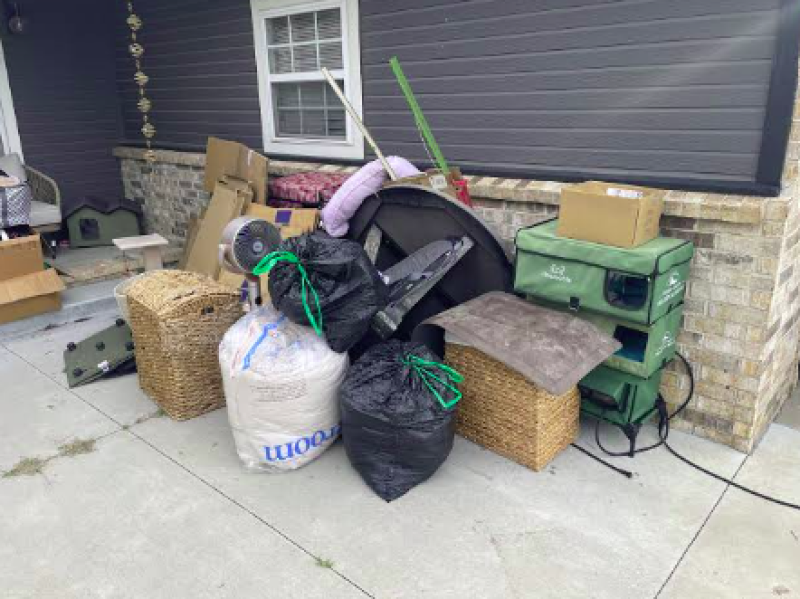
Junk removal services can be a convenient option when you're dealing with a mix of items across multiple categories, since a professional service can sort and route materials appropriately rather than you needing to identify the right facility for each individual item.
Why Proper Sorting Actually Matters
Beyond the immediate goal of keeping recyclable materials out of a landfill, proper sorting helps recycling facilities operate efficiently. Contaminated batches, recycling mixed with non-recyclable materials, cost more to process and are more likely to be rejected entirely, meaning materials that could have been recycled end up in a landfill anyway.
Taking a few extra seconds to sort correctly has a real cumulative impact, especially across an entire household or neighborhood.
Common Mistakes to Avoid
- Assuming all plastic is recyclable. Plastic type matters significantly, and not every numbered plastic is accepted curbside.
- Not rinsing containers. Food residue can contaminate a recycling batch, so a quick rinse matters more than people expect.
- "Wishcycling" uncertain items. When in doubt, it's often better to research the specific item than to guess and risk contamination.
- Forgetting about specialty items. Electronics, batteries, and hazardous materials need separate handling, not standard curbside recycling.
How Junk Is Removed Can Help With Responsible Disposal in Kent, WA
If you're dealing with a mix of items that don't fit neatly into standard curbside recycling, Junk Is Removed sorts for donation and recycling as a standard part of every job throughout Kent and the surrounding King County area, including Auburn, Federal Way, Renton, Maple Valley, Black Diamond, Hobart, and Pacific. For guidance on a specific commonly misunderstood item, this guide on how to dispose of a printer covers e-waste recycling in more detail.
Contact Junk Is Removed
Junk Is Removed 21207 125th Ave SE, Kent, WA 98031 Phone: (253) 678-5114
Call or text to ask about responsible disposal for items you're not sure how to recycle.
Frequently Asked Questions
Can I recycle a greasy pizza box? The clean, non-greasy sections can typically be recycled, while grease-stained portions should be composted or trashed instead.
Are plastic bags recyclable curbside? Usually not. Most curbside programs don't accept plastic bags or film due to sorting equipment issues, but many grocery stores offer separate drop-off recycling for them.
What should I do with old light bulbs? Fluorescent and CFL bulbs contain mercury and need hazardous waste handling rather than regular trash or recycling.
Is "wishcycling" actually harmful? Yes, tossing uncertain items into recycling "just in case" increases contamination risk, which can cause entire batches of genuinely recyclable material to be rejected.
Can electronics go in curbside recycling? No, electronics need e-waste recycling through a dedicated program, retailer take-back, or specialized recycling center.
What's the best way to handle a mix of hard-to-recycle items? A junk removal service can often sort and route mixed items appropriately, saving you from identifying the right facility for each individual item yourself.
Source:
Click for the: Full Story
You might like