Close Menu
 World
World
 Biography
 Health
 Education
 Business
 Lifestyle
 Sports
 Technology
 Animals
 History
 Food
Food
 Religious
 Startups
 Movies
 Politics
 Fashion
 Covid
Covid
 Diet
Diet
 Fitness
 Marketing
 Travel
 Science
 Reviews
 Social media
 Stories
 Facts
Facts
 Art
Art
 Entertainment
Oakheights Family Dental and Orthodontics

Health
What Changes in Your Tooth After Crown Recommendation
 Oakheights Family Dental and Orthodontics
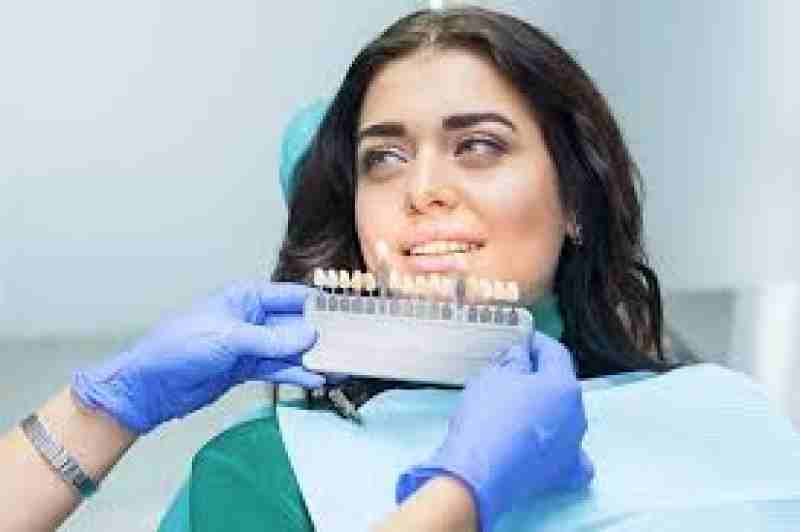
Being told you need a dental crown can catch many patients off guard. At first, the tooth may not feel dramatically different. You might still be eating normally, the pain may come and go, or sometimes there may be no pain at all. This is exactly why a crown recommendation often raises questions. If everything seems “mostly fine,” what is actually changing inside the tooth?
A crown recommendation is not based only on visible damage or immediate pain. It is usually the result of subtle but important structural changes occurring beneath the tooth's surface. A top-rated dentist in Dallas typically suggests a crown when a tooth is no longer strong enough to function safely on its own, even if it still appears usable for daily life. Understanding what changes inside the tooth can help patients make timely and confident decisions before the damage progresses further.
Why a Crown Is Recommended in the First Place
A dental crown is recommended when a tooth has lost a significant portion of its natural strength. This may happen due to decay, fractures, large fillings, root canal treatment, or repeated stress from chewing. While the outer structure may still be intact, the tooth's internal support system can become compromised.
Dentists often see early warning signs that patients cannot feel. Tiny cracks, weakening enamel, or deep decay beneath old fillings may already be affecting the tooth’s stability. This is when dental crowns become a protective solution rather than just a cosmetic fix.
Structural Weakening Beneath the Surface
One of the most important changes in a tooth that needs a crown is structural weakening. Teeth are designed to handle pressure, but when too much natural structure is lost, the remaining tooth becomes fragile.
At this stage, even normal chewing can create micro-fractures. These fractures may not cause constant pain, but they slowly expand over time. This is why a tooth can suddenly break while eating something simple like bread or nuts. The recommendation for a crown is often made before this breaking point occurs.
Changes in Tooth Sensitivity and Nerve Response
Another key change is increased sensitivity or unpredictable nerve response. Some patients notice sharp pain when consuming hot or cold foods, while others experience a dull ache that comes and goes. In some cases, the nerve inside the tooth becomes irritated but not yet infected.
This stage is critical because it indicates that the tooth is under internal stress. A top-rated dentist in Dallas will evaluate whether the nerve is still stable or beginning to deteriorate. If left untreated, the nerve may eventually require a root canal before a crown can be placed.
The Role of Previous Dental Work
Teeth that already have large fillings or prior dental work often gradually weaken over time. Each filling replaces part of the natural tooth structure, and while it restores function, it does not restore full strength.
Eventually, the remaining tooth walls become too thin to support daily biting pressure. At this point, a crown is recommended to encase and protect the entire tooth, preventing further breakdown.
Risk of Sudden Fracture
One of the biggest concerns behind a crown recommendation is the risk of sudden fracture. A weakened tooth may look stable, but internal stress points can cause it to crack unexpectedly. Once a tooth breaks below the gum line, treatment becomes more complex and sometimes more expensive.
This is why dentists often recommend crowns proactively rather than waiting for visible failure. It is a preventive step designed to protect the remaining natural tooth.
Conclusion
When a crown is recommended, the tooth is already undergoing important internal changes that are not always visible on the surface. From structural weakening to nerve sensitivity and hidden fractures, these changes indicate that the tooth needs reinforcement.
Choosing timely treatment with dental crowns in Dallas can preserve the natural tooth, restore strength, and prevent the need for more invasive procedures in the future. Consulting a dentist ensures these changes are identified early and managed precisely, helping you maintain long-term oral health and confidence in your smile.
Source:
Click for the: Full Story
You might like