


 Close Menu
 World
 Biography
 Health
 Education
 Business
 Lifestyle
 Sports
 Technology
 Animals
 History
 Food
 Religious
 Startups
 Movies
 Politics
 Fashion
 Covid
 Diet
 Fitness
 Marketing
 Travel
 Science
 Reviews
 Social media
 Stories
 Facts
 Art
 Entertainment
Jada Fire

Business
What Decides the Right Car Tyres in Nottingham?
 Jada Fire
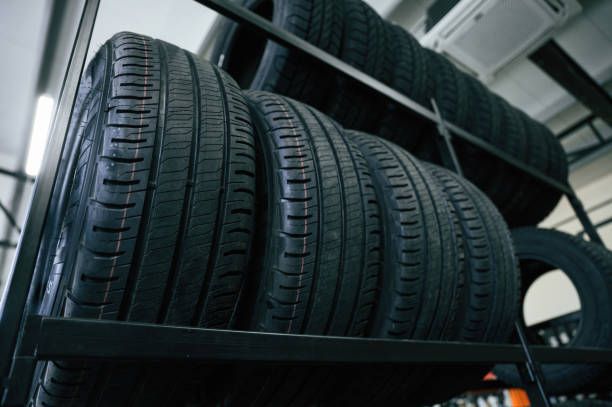
Why do two identical cars often need totally different tyres to stay safe on the road? Choosing replacement car tyres Nottingham involves far more than picking a familiar brand or matching an existing tread pattern. Every vehicle demands tyres that match its weight, axle design, and regular travel environment.
A tyre provides the contact patch, which is the small area of rubber that touches the tarmac at any moment. That palm-sized piece of rubber governs braking distances, cornering grip, and fuel use. Drivers who know these key details can buy tyres that grip well without spending extra money.
Vehicle Weight and Load Index Requirements
A primary consideration during tyre selection is the load index. The load index is a stamped number on the tyre sidewall. It indicates the maximum weight a single tyre can safely carry at its maximum inflation pressure. Matching this rating to the vehicle manufacturer's handbook ensures the tyre casing and internal cords withstand dynamic load transfer during heavy braking.
Fitting rubber with an inadequate rating causes excessive heat build-up within the tyre casing. The sidewall, which is the vertical outer wall connecting the tread to the wheel rim, begins to flex excessively under cornering forces. This extra flex slows steering response and wears out internal cords faster. Over time, that raises the risk of tyre blowouts at motorway speeds. Modern estates, heavy hatchbacks, and electric cars put great weight on each wheel. Exact load ratings keep them stable on the road.
Typical Mileage and Journey Profiles
Daily driving routes help drivers pick the best tyre rubber for their car:
· Urban commuting requires resilient tread blocks that counter friction scrub from sharp turns.
· Stop-start town journeys demand durable rubber blends to prevent premature shoulder wear.
· Long motorway trips call for lower rolling resistance to improve overall fuel economy.
· Sustained high-speed driving requires stable centre ribs that run true without generating excess heat.
Local Climate and Seasonal Demands
Changing temperatures affect how tyre rubber grips the road across the Midlands. Standard summer tyres use firm rubber designed to stay solid on hot tarmac. However, this compound hardens once temperatures drop below seven degrees Celsius. Stiff rubber cannot mould into the microscopic texture of the road, which elongates stopping distances on cold mornings.
Can cold rain and low winter temperatures reduce a vehicle's grip without warning? Fitting seasonal rubber like winter tyres Nottingham gives drivers softer natural rubber and dense siping. Sipes are tiny cuts in the tread blocks that flex to bite into slush. Meanwhile, all-season tyres offer a balanced option for year-round road use. The deeper directional channels on cold-weather options also pump slush clear of the car track, preventing sudden slips on ungritted residential streets.
Speed Ratings and Handling Response
Choosing the right speed rating keeps steering sharp and protects key mechanical parts. The speed rating appears as a final letter alongside the tyre size markings, denoting the maximum speed the tyre can safely sustain under its rated load capacity. Car makers choose this rating based on suspension movement and engine power, not just speed limits.
A tyre with the correct rating features stiff casing plies that resist lateral distortion during lane changes. When motorists drop down to a lower rating than the vehicle plate specifies, the steering wheel feels vague and delayed. Proper resistance preserves responsive inputs, helping the suspension settle quickly through sweeping turns or sudden swerves. Premium tyre construction incorporates spirally wound nylon caps over the steel belts to restrain centrifugal growth as wheel speeds rise.
Noise Levels and Rolling Resistance Grades
European tyre labels provide standardised grades for wet braking, external rolling noise, and fuel efficiency. It is important to note that wet grip ratings measure straight-line stopping distances on wet tarmac rather than aquaplaning resistance. While aquaplaning occurs when standing water lifts the tyre from the road—a risk mitigated primarily by tread depth and groove design—a top wet grip grade ensures significantly shorter emergency braking distances during rain.
Tyre labels show outside road noise as a decibel number and a letter grade. Firmer tread patterns displace surface water well but often generate high-frequency road hiss inside the vehicle cabin. Drivers wanting a quieter trip can pick special tread patterns. These block road noise while keeping strong grip on wet tarmac. Varying the size and angle of adjoining tread blocks disrupts acoustic resonance, stopping drone from vibrating into the car chassis.
Frequently Asked Questions
Where can motorists find the vehicle tyre size?
The vehicle manufacturer prints the approved tyre sizes, load index ratings, and cold inflation pressures on a plate inside the driver's door jamb. You can also find this data in the vehicle handbook or behind the fuel flap.
Can different tyre brands be fitted together?
Drivers can fit different tyre brands on separate axles if sizes and ratings match the car maker's guide. Mechanics advise fitting matching pairs on the same axle. This setup ensures balanced grip, steady braking, and smooth steering on wet roads.
How does tyre width alter vehicle handling?
A wider tyre increases the contact patch area across dry roads, improving lateral cornering grip and firm braking control. However, wider tyres face higher rolling resistance and use slightly more fuel. In wet or cold conditions, wider tyres can increase aquaplaning risks, making it vital for motorists fitting winter tyres in Nottingham to maintain generous tread depth for clearing slush and standing water.
Conclusion
Choosing good tyres means balancing car weight, travel habits, and wet braking grip. Matching the maker's load index and tyre size helps the suspension work properly on every trip. Drivers should regularly inspect their tread condition to ensure continued safety on the road.
For trusted advice and local fitting, motorists can consult the team at Treadmark Wheels & Tyres.
Source:
Click for the: Full Story
You might like









You Might Like this