Close Menu
 World
World
 Biography
 Health
 Education
 Business
 Lifestyle
 Sports
 Technology
 Animals
 History
 Food
Food
 Religious
 Startups
 Movies
 Politics
 Fashion
 Covid
Covid
 Diet
Diet
 Fitness
 Marketing
 Travel
 Science
 Reviews
 Social media
 Stories
 Facts
Facts
 Art
Art
 Entertainment
SARATH S

Marketing
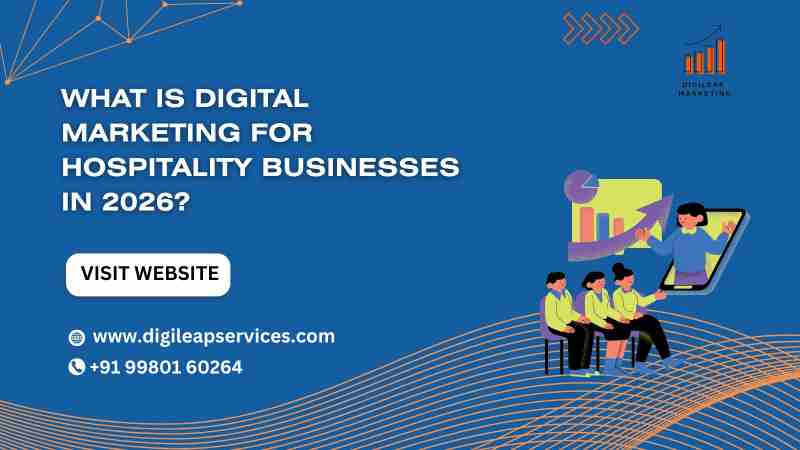
What is digital marketing for hospitality businesses in 2026?
 SARATH S
Introduction
People choose hotels before they pack their bags.
They scroll, search, compare, and decide online.
That’s where digital marketing steps in.
In 2026, hospitality marketing is no longer just ads and posts.
It’s about moments, trust, and timing.
Let’s break it down in simple words.
What digital marketing really means for hospitality in 2026
Digital marketing for hospitality businesses means promoting hotels, resorts, cafes, and travel brands online.
It helps guests find you at the right time.
It also helps them trust you before they book.
In 2026, guests expect fast answers and real experiences.
They don’t want hard selling.
They want clarity, comfort, and connection.
People plan trips on their phones now.
They read reviews while standing in a queue.
They watch short videos before choosing a hotel.
So your digital presence must feel real and helpful.
That is what modern hospitality marketing is about.
Hospitality marketing starts with guest intent
Hospitality marketing in 2026 begins with understanding intent.
Guests don’t search randomly.
They search with a purpose.
Some want a weekend break.
Others want a business stay.
Many want good food and vibes.
So your marketing should answer their questions early.
Your website should be clear and fast.
It should work smoothly on mobile.
Prices should be easy to see.
Photos should look real, not fake.
Search engines still matter a lot.
People type things like “best hotel near airport” or “family friendly resort”.
If your site matches these searches, you get traffic.
This is where SEO helps.
Good SEO brings steady bookings without daily ad spend.
Local search is even more important.
Maps, reviews, and location details drive footfall.
If guests can’t find you locally, they move on.
Hospitality marketing uses content that feels human
Hospitality marketing works best when content feels honest.
Guests don’t want stock photos anymore.
They want real rooms and real food.
They want to see actual guests enjoying the space.
In 2026, short videos dominate attention.
Reels and stories perform better than long posts.
A 20-second room tour builds more trust than a long description.
Behind-the-scenes clips work well too.
Social media is not just for posting.
It’s for conversations.
Guests ask questions in comments and DMs.
Quick replies build confidence.
Slow replies lose bookings.
Blogs also play a role.
They answer common guest doubts.
They help your site rank better.
They position you as helpful, not pushy.
Email still matters.
But spammy emails don’t work.
Useful emails do.
Booking reminders, travel tips, and simple offers keep guests engaged.
Hospitality marketing is powered by smart tech
Hospitality marketing in 2026 uses smarter tools.
But the goal is still simple.
Save time and improve guest experience.
AI helps with suggestions and automation.
It can suggest the best posting time.
It can help reply to common queries.
But human touch is still important.
Chat tools are now common on hotel websites.
Guests want instant answers.
If they don’t get them, they leave.
Live chat or smart chat tools help close bookings faster.
Ad platforms are also smarter now.
You can target by travel interest and location.
You don’t need big budgets anymore.
Small, focused ads work better.
Data helps you improve.
You can see what pages guests visit.
You can see where they drop off.
This helps you fix weak spots.
Hospitality marketing builds trust through reviews
Trust decides bookings.
Reviews play a big role here.
Most guests read reviews before booking.
Many trust reviews more than ads.
Good reviews bring more bookings.
Bad reviews don’t always hurt if handled well.
Replying politely shows professionalism.
Ignoring reviews sends a bad signal.
Encourage happy guests to leave feedback.
Don’t force them.
Just remind them gently.
Over time, this builds strong online credibility.
Photos uploaded by guests also matter.
They feel more authentic.
They show real experiences.
Hospitality marketing trends shaping 2026
Hospitality marketing is evolving fast.
One big trend is personalization.
Guests want offers that match their needs.
Families want different deals than solo travelers.
Voice search is growing.
People speak instead of typing.
Your content should answer natural questions.
Sustainability is another strong trend.
Guests care about eco-friendly practices.
If you follow them, show them online.
Experience-based marketing is rising.
People don’t book rooms.
They book experiences.
Your marketing should reflect that feeling.
Common mistakes to avoid
Many businesses try to do everything at once.
That leads to confusion.
Start small instead.
Some copy competitors blindly.
That makes brands look the same.
Your story should be unique.
Others focus only on ads.
But ads without trust don’t convert.
Balance paid and organic efforts.
Perfection is another trap.
Guests prefer real content over perfect content.
Don’t wait to be perfect to start.
TL;DR
Hospitality marketing in 2026 is about visibility, trust, and experience.
Guests search, watch, and decide online.
Your website, content, reviews, and responses matter.
Short videos and real stories work best.
Smart tools help, but human touch wins.
Start simple and stay consistent.
Conclusion
Digital marketing for hospitality businesses has changed.
It’s no longer loud or aggressive.
It’s calm, clear, and guest-focused.
In 2026, guests expect fast answers and honest content.
They want to feel confident before booking.
Your digital presence should make that easy.
When done right, hospitality marketing brings steady bookings.
It builds long-term trust.
And it helps your brand grow without pressure.
The key is to think like a guest.
Answer their needs before they ask.
That’s how hospitality marketing truly works.
CTA
If you want expert help with hospitality marketing, explore https://www.digileapservices.com/.
Their team helps hospitality brands grow with simple, practical digital strategies.
Start building stronger bookings today.
Source:
Click for the: Full Story
You might like