



 Close Menu
 World
World
 Biography
 Health
 Education
 Business
 Lifestyle
 Sports
 Technology
 Animals
 History
 Food
Food
 Religious
 Startups
 Movies
 Politics
 Fashion
 Covid
Covid
 Diet
Diet
 Fitness
 Marketing
 Travel
 Science
 Reviews
 Social media
 Stories
 Facts
Facts
 Art
Art
 Entertainment
Proquip Rental and Sales

Business
What Size Excavator Do You Actually Need for Your Civil Construction Project?
 Proquip Rental and Sales
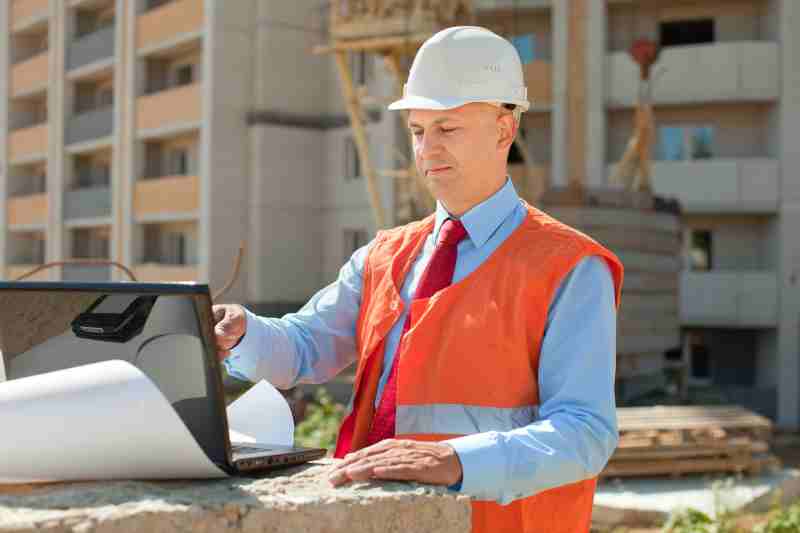
Choosing the right excavator looks simple until you compare machine sizes, lifting capacities, and site conditions. Many contractors assume a larger machine always delivers better productivity. That approach often increases fuel costs, transport expenses, and delays on sites with limited access. The best excavator is the one that matches your project scope, ground conditions, and required attachments. Understanding those factors before booking equipment helps you finish work safely, efficiently, and within budget.
Does Your Project Also Require Positrack Hire Alongside an Excavator?
Many civil construction projects rely on more than one machine to keep work moving. During site preparation, positrack hire often complements an excavator because the two machines perform different tasks. While the excavator handles digging, trenching, and lifting, a compact track loader quickly moves spoil, levels surfaces, spreads material, and cleans the site. Hiring both machines together often reduces downtime and improves productivity across the entire project.
This combination works especially well for:
- Residential subdivisions with limited working space.
- Road construction requiring continuous material movement.
- Drainage and utility installation projects.
- Commercial site preparation before concrete placement.
- Landscaping projects involving excavation and final grading.
What Excavator Size Works Best for Different Civil Construction Projects?
Excavators generally fall into three main categories, and each suits different applications.
Mini Excavators (1 to 6 tonnes)
Mini excavators are ideal when access is restricted or underground services require careful excavation.
Choose a mini excavator if your project involves:
- Residential foundations.
- Backyard landscaping.
- Utility repairs.
- Drainage trenches.
- Small demolition jobs.
Their compact footprint reduces ground disturbance while allowing operators to work in narrow spaces.
Medium Excavators (7 to 20 tonnes)
Medium machines remain the most popular choice for civil contractors because they balance power with versatility.
They perform well on:
- Commercial developments.
- Sewer installations.
- Bulk trenching.
- Road upgrades.
- General earthmoving projects.
Most medium hydraulic excavators also support a wide range of attachments, including augers, rock breakers, and hydraulic grabs.
Large Excavators (20 tonnes and above)
Large excavators suit projects requiring high production and deep excavation.
These machines commonly handle:
- Major infrastructure works.
- Large subdivision developments.
- Quarry operations.
- Bulk excavation.
- Heavy lifting tasks.
Although they move more material per cycle, they also require greater transport planning and operating space.
What Factors Matter More Than Machine Size Alone?
Excavator selection depends on much more than operating weight.
Several practical considerations should guide your decision:
- Required digging depth for the project.
- Site access and turning space.
- Soil conditions and ground stability.
- Lifting requirements for heavy materials.
- Transport restrictions between locations.
- Available attachments for specialised work.
- Daily operating costs and fuel consumption.
Many contractors underestimate access restrictions until machinery arrives on site. Measuring gates, driveways, overhead clearance, and working areas before booking equipment prevents expensive delays.
Can a Larger Excavator Actually Slow Your Project Down?
Surprisingly, yes.
Many people assume larger machines always improve productivity. That only applies when the site allows efficient operation.
A large excavator working inside a confined construction area often spends more time repositioning than digging. Extra transport permits, higher fuel usage, and increased operating costs can quickly outweigh any production gains.
Matching machine size to working conditions usually delivers better results than simply hiring the biggest available excavator.
When Should You Hire Both an Excavator and a Positrack?
Many experienced civil contractors book both machines together because each performs a different role.
A productive workflow often looks like this:
- The excavator removes soil or rock.
- The positrack transports spoil away immediately.
- The positrack spreads imported material.
- The excavator completes final trench shaping.
- Both machines reduce idle time throughout the project.
This coordinated approach keeps crews working instead of waiting for equipment to become available.
What Common Hiring Mistakes Increase Project Costs?
Equipment hire becomes expensive when the wrong machine arrives on site.
Avoid these common mistakes:
- Choosing machinery based only on hourly hire rates.
- Ignoring transport and delivery costs.
- Underestimating required digging depth.
- Forgetting attachment compatibility.
- Hiring oversized machinery for restricted sites.
- Booking equipment without assessing soil conditions.
Discussing your project with an experienced machinery hire provider usually leads to better recommendations than relying only on machine specifications.
Before making your final booking, compare attachment availability, service support, and machine condition as carefully as the quoted hire rate. If your supplier offers a modern case excavator, ask which model best matches your excavation depth, lifting requirements, and available site access instead of selecting equipment based purely on size.
Frequently Asked Questions
What excavator size is best for residential construction?
Mini excavators between one and six tonnes usually provide enough power while fitting into tighter residential sites.
Should I hire a positrack with an excavator?
If your project involves moving spoil, grading surfaces, or transporting materials, hiring both machines often improves efficiency and reduces labour time.
How deep can a medium excavator dig?
Most medium excavators can reach digging depths between four and seven metres, depending on the model and boom configuration.
Does a larger excavator always finish work faster?
Not always. Large machines work best on open sites where space allows efficient operation. Smaller machines often outperform them in confined areas.
Conclusion
Selecting the right excavator is about matching the machine to the work rather than choosing the biggest option available. Consider project scope, access, soil conditions, attachments, and productivity before making your decision. Pairing an excavator with a positrack can also improve efficiency on many civil construction sites by keeping material moving and reducing downtime.
Source:
Click for the: Full Story
You might like







You Might Like this