Close Menu
 World
 Biography
 Health
 Education
 Business
 Lifestyle
 Sports
 Technology
 Animals
 History
 Food
 Religious
 Startups
 Movies
 Politics
 Fashion
 Covid
 Diet
 Fitness
 Marketing
 Travel
 Science
 Reviews
 Social media
 Stories
 Facts
 Art
 Entertainment
redefinelaserandelectrolysis

Health
What to Do Between Laser Hair Removal Sessions for Smooth Skin
 redefinelaserandelectrolysis
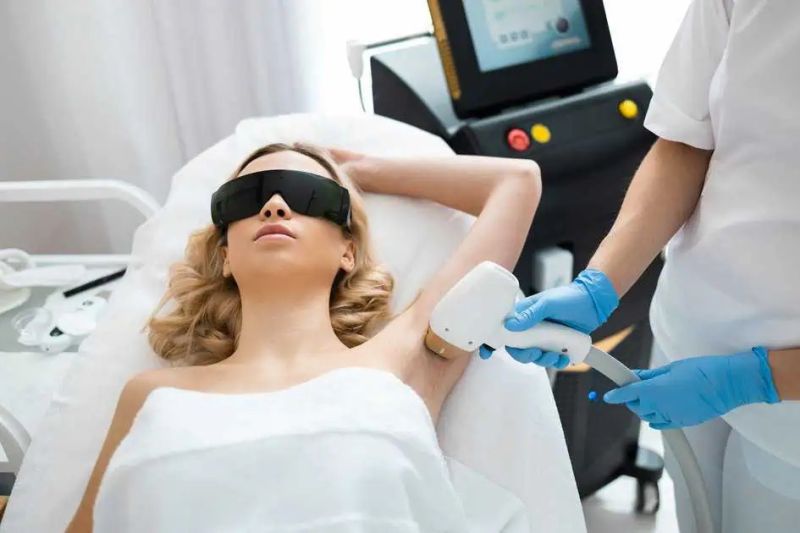
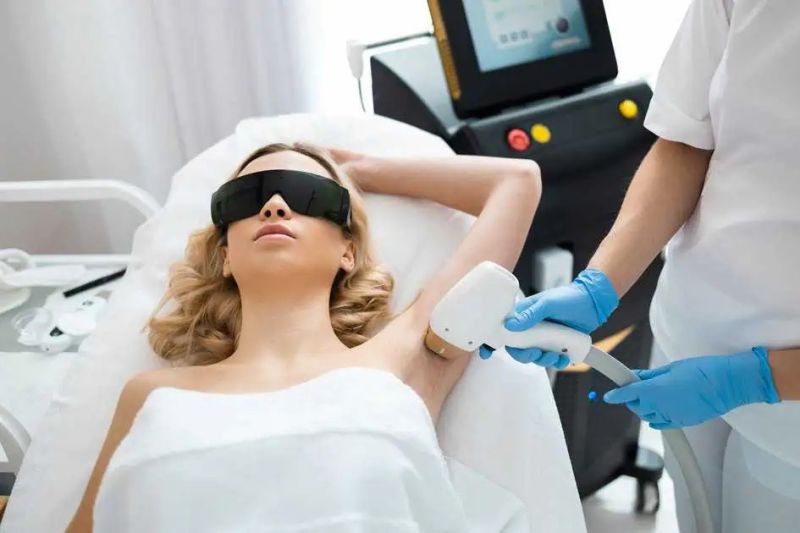
If you are wondering Can I Shave After Laser Hair Removal, knowing what to do between appointments can make your treatment journey easier and more comfortable. Laser hair removal is a gradual process, and the time between sessions is important for allowing treated follicles to respond while new hair moves through its natural growth cycle. Following appropriate grooming habits, protecting your skin, avoiding unnecessary irritation, and maintaining a simple skincare routine can help you care for your skin between treatments and support your long-term hair reduction goals.
Why the Time Between Sessions Matters
Laser hair removal does not treat every hair follicle at exactly the same stage. Hair grows through different phases, and the treatment is most effective when follicles are in an appropriate active growth stage.
Because of this, multiple sessions are generally needed. The time between appointments allows your skin to recover and gives additional follicles an opportunity to reach a stage where they can be treated during the next session.
The period between treatments should therefore not be viewed as downtime. It is part of the overall treatment process.
Can I Shave After Laser Hair Removal?
One of the most common questions people have is Can I Shave After Laser Hair Removal?
Shaving is different from waxing, tweezing, or epilating because it cuts the visible hair at the surface of the skin rather than removing it from the root.
For many people, shaving is the preferred way to manage visible hair between laser sessions. However, immediately after treatment, your skin may be sensitive. It is important to wait until the treated area feels comfortable and follow the specific shaving instructions provided by your professional.
When you are ready to shave:
- Use a clean, sharp razor.
- Wet the skin and hair first.
- Apply a gentle shaving cream or gel.
- Use light pressure.
- Shave in the direction of hair growth.
- Avoid repeatedly passing over irritated areas.
If the skin is still red, warm, swollen, or uncomfortable, give it more time to settle.
Avoid Waxing and Plucking
During a laser hair removal course, waxing, tweezing, and plucking are generally avoided.
These methods remove hair from the root. Laser treatment works by targeting the hair follicle, so removing the hair from the root between sessions can interfere with the treatment approach.
Instead, shaving is generally more appropriate because it removes the visible hair while leaving the follicle beneath the skin.
If you are receiving Laser Hair Removal in Edmonton, ask your provider which grooming methods are recommended between your appointments.
Protect Your Skin From the Sun
Sun protection should remain part of your routine throughout your laser hair removal course.
Recently treated skin may be more sensitive to sunlight, and excessive sun exposure can increase the risk of unwanted skin reactions.
Useful habits include:
- Applying broad-spectrum sunscreen to exposed skin
- Wearing protective clothing
- Seeking shade when possible
- Avoiding intentional tanning
- Limiting unnecessary direct sun exposure
Sun protection is particularly important before your next appointment. If your skin has recently been exposed to significant sunlight or tanning, inform your provider before treatment.
Keep Your Skincare Routine Simple
Between laser treatments, your skin does not need an overly complicated routine.
A simple approach can include:
- Gentle cleansing
- Regular moisturising
- Daily sun protection
- Appropriate shaving
- Gentle skincare suited to your skin type
Avoid introducing multiple new products at once, especially if the treated area is sensitive.
If you normally use exfoliating acids, retinoids, fragranced products, or other active skincare ingredients, ask your provider when they can safely be resumed after treatment.
Be Careful With Exfoliation
Exfoliation can help remove dead skin cells, but aggressive exfoliation is not recommended when the skin is still recovering from laser treatment.
Avoid:
- Rough body scrubs
- Hard exfoliating gloves
- Vigorous rubbing
- Picking at individual hairs
- Trying to force treated hairs out
Once the skin has fully recovered, your provider can advise you about when to resume your normal exfoliation routine.
The goal is to maintain healthy-looking skin without creating unnecessary irritation.
Understand Hair Shedding
One reason people become concerned between laser sessions is that they may still see hair after treatment.
Laser-treated hair does not always disappear immediately. Some hairs gradually shed from the treated follicles over time.
This means visible hair during the days or weeks after a session does not necessarily indicate that the treatment was unsuccessful.
You may gradually notice:
- Slower regrowth
- Reduced hair density
- Finer-looking hair
- Longer periods between shaving
- Less noticeable hair in treated areas
Individual results vary, so patience is important.
Don't Pull Out Treated Hairs
When you notice hair appearing after a session, you may feel tempted to pull it out.
Avoid waxing, tweezing, or plucking unless your provider specifically tells you otherwise. These methods remove the hair from the root and may interfere with your treatment plan.
If you need to manage visible hair, shaving is generally the more suitable option during a laser treatment course.
This is another reason the question Can I Shave After Laser Hair Removal is important for anyone planning their grooming routine between appointments.
Avoid Unnecessary Friction
Friction can make sensitive skin feel uncomfortable.
If you have recently treated areas around the bikini line, underarms, legs, or other areas where clothing rubs against the skin, choose comfortable clothing when possible.
You can also reduce unnecessary irritation by:
- Avoiding excessive rubbing
- Patting the skin dry
- Using clean towels
- Avoiding tight clothing immediately after treatment when practical
Once your skin has settled, you can generally return to your usual clothing and activities according to your provider's instructions.
Be Mindful of Heat and Sweating
Immediately after treatment, your provider may recommend temporarily avoiding activities that create significant heat or sweating.
Depending on the treatment area and your individual instructions, this may include:
- Very hot showers
- Hot baths
- Saunas
- Steam rooms
- Intense exercise
These precautions are generally focused on reducing irritation while the skin is sensitive.
If you are unsure when you can return to a particular activity, ask your treatment professional.
Stay Consistent With Your Appointments
One of the most important things you can do between sessions is maintain your recommended treatment schedule.
Laser hair removal requires multiple sessions because hair follicles grow through different stages. Treatments need to be spaced appropriately so that more follicles can be treated during suitable growth phases.
Avoid scheduling appointments too close together simply because you notice new hair.
Your provider can recommend an appropriate interval based on:
- Treatment area
- Hair growth cycle
- Hair density
- Previous treatment response
- Individual characteristics
Consistency can make your overall treatment plan easier to manage.
Track Your Progress
Laser hair removal results develop gradually, so it can be difficult to notice small changes from day to day.
Instead of checking constantly, look for changes over several weeks.
You can monitor:
- How often you need to shave
- How quickly hair returns
- Whether hair appears finer
- Whether density has decreased
- How your skin responds after treatment
Taking occasional photographs under similar lighting can also help you compare progress over time.
Remember that different body areas may respond at different rates.
Avoid Comparing Your Results With Others
Your laser hair removal experience may not look exactly like someone else's.
Results can be influenced by:
- Hair colour
- Hair thickness
- Skin characteristics
- Treatment area
- Hormonal factors
- Hair growth cycles
- Individual response
Someone else may notice visible changes after fewer treatments, while another person may require more sessions.
When receiving Laser Hair Removal in Edmonton, focus on your own treatment plan and the progress you observe over time rather than comparing your results with another person.
Take Care of Your Overall Skin Health
Your everyday habits can also contribute to healthy-looking skin between treatments.
Consider maintaining:
- Regular moisturising
- Adequate hydration
- Sun protection
- Gentle cleansing
- Appropriate shaving techniques
- A consistent skincare routine
Healthy skin can make your overall treatment experience more comfortable.
You do not need an extensive skincare routine. Consistency and avoiding unnecessary irritation are often more important than using numerous products.
Know When to Ask for Professional Advice
Temporary redness, warmth, mild swelling, or sensitivity can occur after laser hair removal. These effects generally settle as the skin recovers.
However, if you experience a severe, unusual, worsening, or persistent reaction, contact an appropriate healthcare professional for advice.
You should also speak with your treatment provider if you are unsure about:
- When to shave
- Whether you can use a particular skincare product
- When to exfoliate
- When to exercise
- Whether you can wax or tweeze
- When to schedule your next treatment
Getting personalised guidance is better than guessing.
Preparing for Your Next Session
As your next appointment approaches, review the preparation instructions provided by your professional.
Depending on your treatment plan, you may be advised to:
- Avoid waxing and plucking
- Shave according to recommended timing
- Avoid excessive sun exposure
- Tell your provider about any skin changes
- Mention any medications or skincare products that may be relevant
Following preparation instructions can help make your next appointment smoother and more predictable.
Final Thoughts
The time between laser hair removal sessions is an important part of your overall treatment journey. If you are asking Can I Shave After Laser Hair Removal, shaving is generally different from waxing or plucking because it does not remove the hair from the root. However, you should wait until your skin has recovered and follow the specific instructions provided by your professional.
If you are considering Laser Hair Removal in Edmonton, remember that maintaining smooth-looking skin between sessions involves more than removing visible hair. Protect your skin from excessive sun exposure, avoid waxing and plucking, keep your skincare routine gentle, and stay consistent with your appointments.
With patience, appropriate grooming, and professional guidance, you can make the period between treatments more comfortable while working toward your long-term hair reduction goals.
FAQs
1. Can I shave after laser hair removal?
Shaving may generally be used between laser treatments because it removes hair at the skin surface rather than from the root. However, recently treated skin may be sensitive, so wait until the area is comfortable and follow your provider's specific instructions.
2. Can I wax or tweeze between laser hair removal sessions?
Waxing and tweezing are generally avoided during a laser treatment course because they remove hair from the root. Shaving is usually preferred between sessions because the follicle remains available for future treatment.
3. Why do I still see hair after a laser hair removal session?
Laser hair removal is a gradual process. Treated hairs may remain visible before gradually shedding, while other follicles may be in different stages of their growth cycle. Multiple treatments are generally needed.
4. Can I exfoliate between laser hair removal sessions?
Exfoliation may be included in your normal skincare routine once the skin has recovered, but aggressive exfoliation should be avoided when the treated area is sensitive. Ask your provider when it is appropriate to resume exfoliation.
5. How long should I wait between laser hair removal sessions?
The appropriate interval varies depending on the treatment area, hair-growth cycle, and individual response. Your provider can recommend the most suitable schedule for your treatment plan.
Source:
Click for the: Full Story
You might like