Close Menu
 World
 Biography
 Health
 Education
 Business
 Lifestyle
 Sports
 Technology
 Animals
 History
 Food
 Religious
 Startups
 Movies
 Politics
 Fashion
 Covid
 Diet
 Fitness
 Marketing
 Travel
 Science
 Reviews
 Social media
 Stories
 Facts
 Art
 Entertainment
Trade Back

Technology
What to Do With Your Old Smartwatch After Buying a New One
 Trade Back
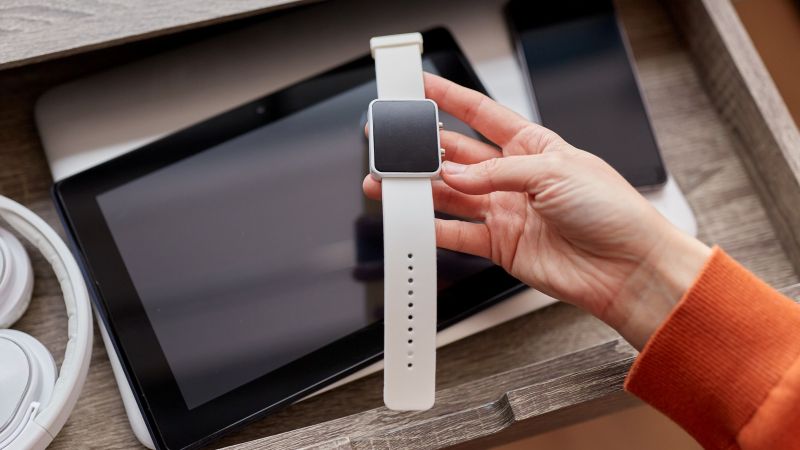
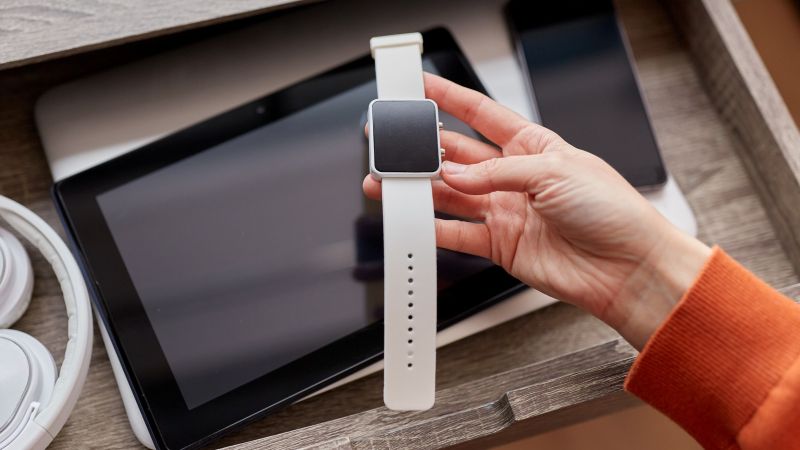
Buying a new smartwatch gives you improved features, better performance, or a design that suits your needs, but it also leaves you with an older device that may still have value. Instead of storing it indefinitely, you can reuse, gift, sell, or recycle it responsibly. If you plan to sell smartwatch online, transfer your information, inspect the device carefully, remove account access, and choose the most suitable option for its condition.
Finish Setting Up Your New Watch First
Do not erase the old watch immediately. Keep it until the new device is connected and your activity records, health data, contacts, applications, and settings have synchronised correctly.
Check that payment services, cellular connectivity, emergency contacts, and alarms work on the new watch. Once everything is verified, you can safely prepare the older device.
Decide Whether to Sell, Reuse, Gift, or Recycle It
The right option depends on the watch’s age, condition, battery, software support, and usefulness. A recent device may retain resale value, while an older one may work as a backup or fitness tracker.
Consider the following options:
- Sell it if it works correctly and still has demand.
- Keep it as a backup for travel, exercise, or emergencies.
- Give it to a family member after removing your information.
- Repurpose it for basic tracking, timers, or reminders.
- Recycle it responsibly if it is unsafe or beyond repair.
Do not decide from appearance alone. A scratched watch may work perfectly, while a clean one may have battery or sensor faults.
Confirm the Exact Model and Specifications
Similar-looking watches may have different features and values. Check the settings, connected application, box, or invoice to confirm:
- Full model name and generation
- Case size, material, and colour
- GPS-only or cellular version
- Storage capacity, where relevant
- Strap type and size
- Approximate purchase date
- Repair or replacement history
Record the serial number privately, but avoid posting it publicly. Accurate details prevent valuation mistakes.
Inspect the Watch’s Physical Condition
Check the screen for cracks, deep scratches, dead pixels, discolouration, or touch problems. Inspect the case, buttons, crown, microphone, charging area, sensors, and back panel.
Remove the strap and check its attachment points, stains, cracks, tears, clasps, and missing pieces. Cosmetic wear may be acceptable, but serious damage can reduce value.
If you intend to sell old smartwatch, describe its appearance accurately instead of hiding marks with a cover or replacement strap. Undisclosed damage may result in a revised valuation after inspection.
Test Its Features and Battery
Charge the watch fully and test its touchscreen, display, buttons, crown, vibration, audio, notifications, alarms, health sensors, GPS, Bluetooth, Wi-Fi, and cellular connectivity.
Wear it briefly and check whether it remains connected to the phone without freezing or restarting. Confirm that charging is stable and that the battery does not drain unusually quickly.
Stop using the device if the battery is swollen, the casing has separated, or the watch becomes dangerously hot. Do not press a lifted screen back into place or try to remove the battery yourself. Arrange suitable professional handling.
Clean It Without Causing Damage
A clean watch is easier to assess. Switch it off, remove the strap, and wipe it gently with a soft cloth. Lightly dampen the cloth if needed, but never spray the watch.
Avoid harsh chemicals, rough materials, sharp tools, and excessive water. Do not insert objects into the microphone, speaker, or charging areas. Clean the strap according to its material and allow every part to dry before reassembly.
Gather Accessories and Documents
Locate the compatible charger, spare strap pieces, box, invoice, and repair records. Check that the cable works and is not damaged. Confirm what should be included, as accessories do not always increase value.
Protect Your Personal and Health Information
A smartwatch may contain health records, contacts, messages, payment details, and account information. Back up or synchronise what you need and verify it on your new device.
Remove saved payment cards and travel passes, sign out of relevant services, and unpair the old watch through the connected phone. If it uses cellular service, remove or transfer the plan where necessary. Unpairing may also disable the activation lock associated with the connected account.
After unpairing, perform a factory reset and restart the watch. Confirm that it displays the initial setup screen and no longer requests your old account credentials. Never share your password with a buyer or collection representative.
Understand the Valuation Process Before Selling
The possible value of a smartwatch depends on its model, age, specifications, physical condition, functionality, battery, accessories, repair history, and current demand. An initial online amount may be an estimate based on the information you provide.
When you sell old smartwatch, answer all condition questions honestly. Review how inspection, revised offers, collection, returns, and payment are handled.
Take clear photographs of the working display, case, back, strap, charger, and any visible damage before handover. Keep the collection receipt or tracking details until the process is complete.
Repurpose or Recycle It Responsibly
If selling is not practical, use the watch as a workout tracker, alarm, timer, music controller, bedside clock, or backup. Keep available updates installed and avoid sensitive accounts when security support has ended.
An unsafe or unusable watch should enter an authorised electronic-waste channel, not household rubbish. Erase it and remove account access when possible. If it cannot be reset, ask how inaccessible data is handled. Never dismantle a damaged battery yourself.
Conclusion
An old smartwatch can continue to provide value after you buy a new one. Complete the data transfer, inspect and test the device, clean it safely, gather suitable accessories, and protect your accounts before deciding what to do.
TradeBack provides a convenient option for checking the value of an eligible smartwatch, while reuse and responsible recycling remain practical choices for devices that are not suitable for sale.
Frequently Asked Questions
How soon should I deal with my old smartwatch after upgrading?
Once the new watch is fully set up and your data has been verified, assess the old device promptly. Waiting may reduce its value as it ages and its battery deteriorates.
Is a factory reset enough before giving away a smartwatch?
A factory reset should be the final step. First back up your data, remove payment cards and cellular service, unpair the watch, disable account locks, and then confirm that the initial setup screen appears.
Can a damaged smartwatch still be sold?
It may still have value depending on its model, damage, and remaining functions. Describe all faults accurately and never continue using or charging a watch with a swollen battery.
Source:
Click for the: Full Story
You might like